
The media could not be loaded.
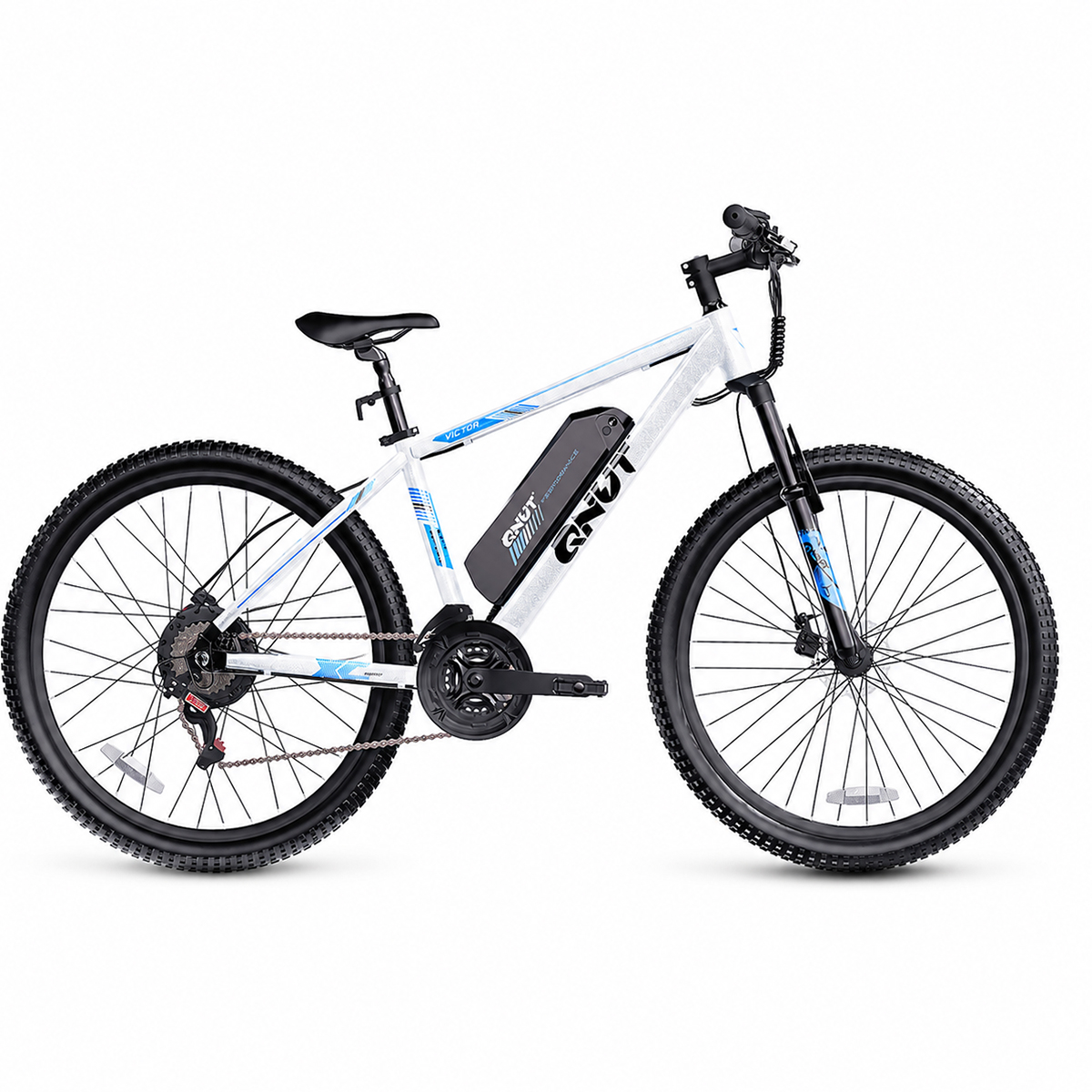
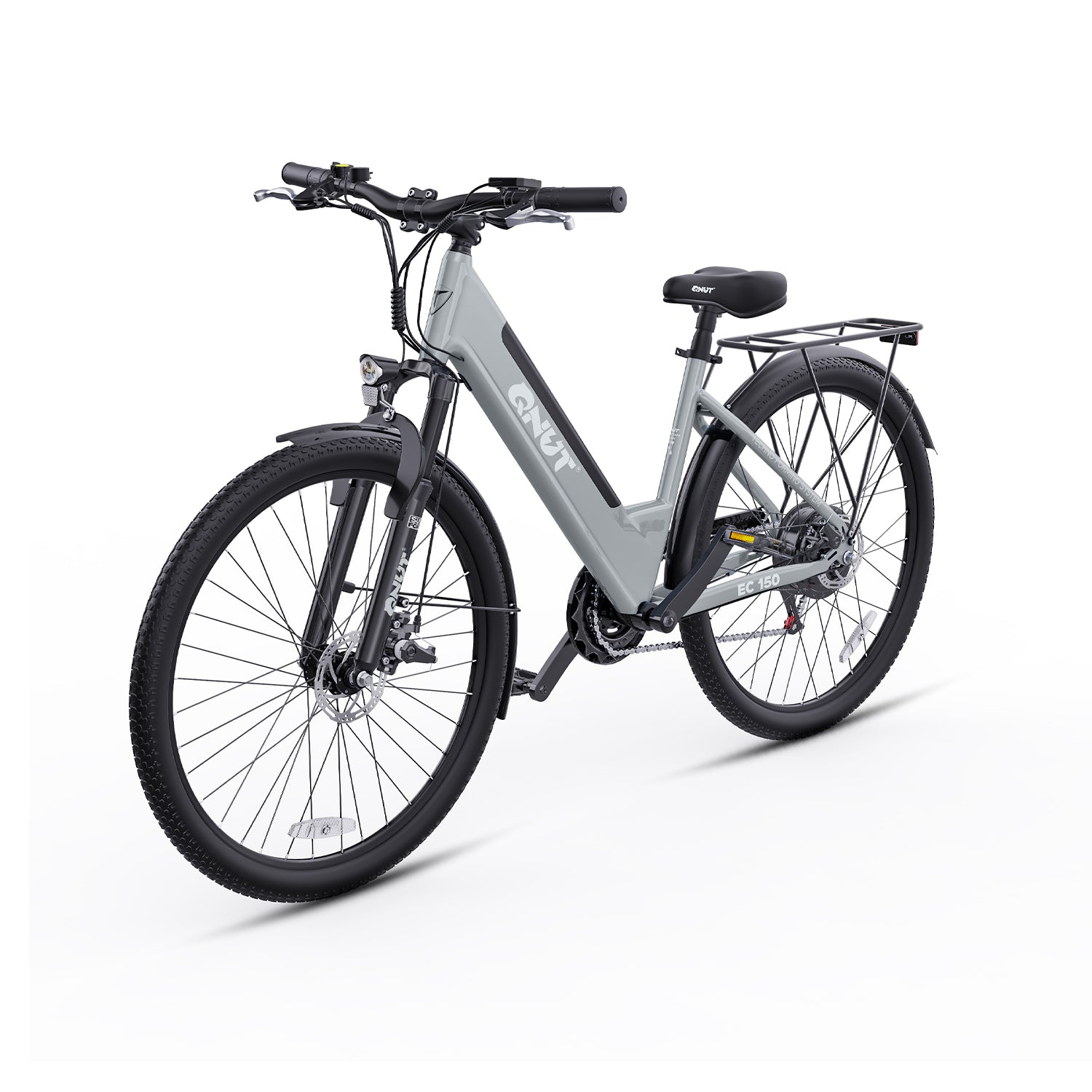
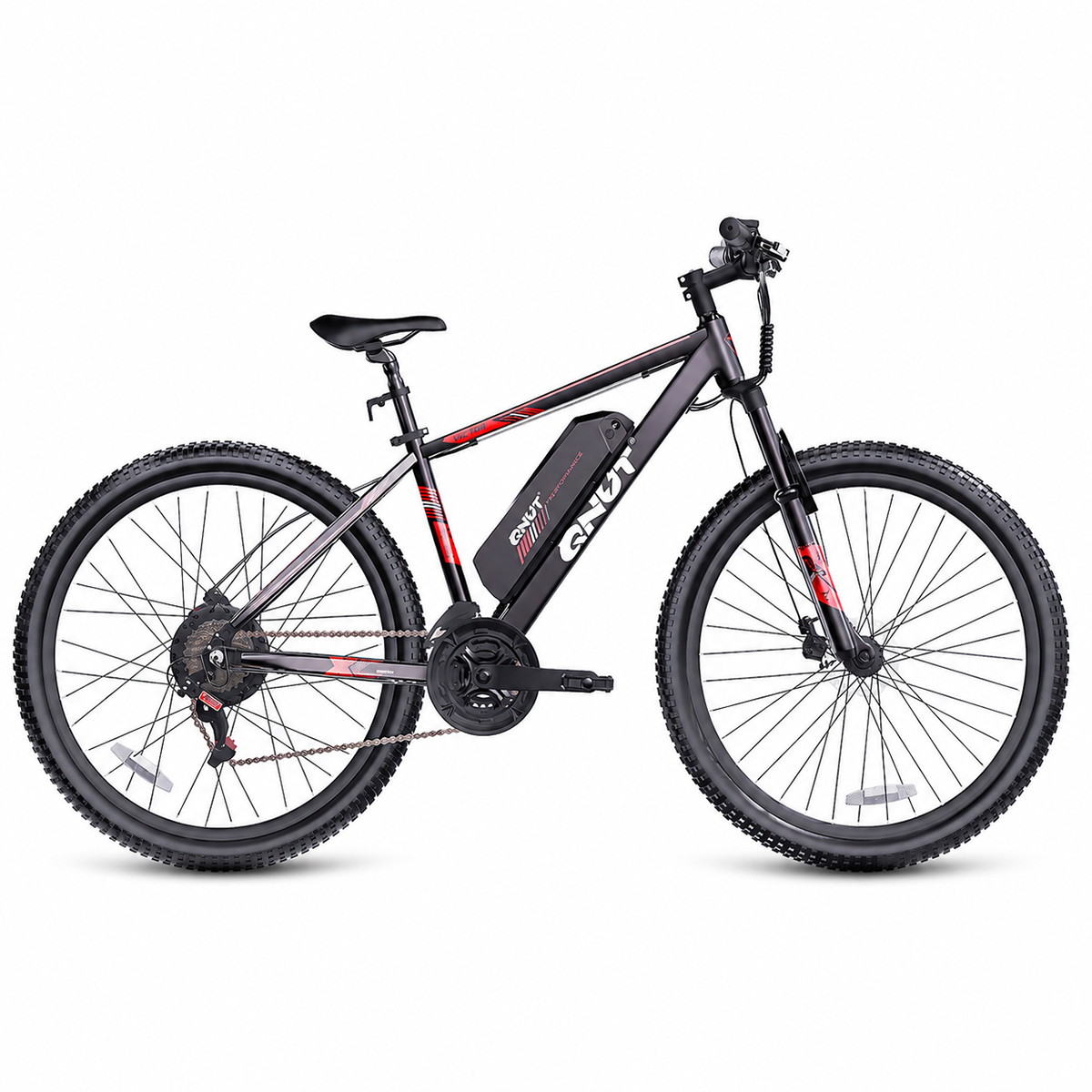
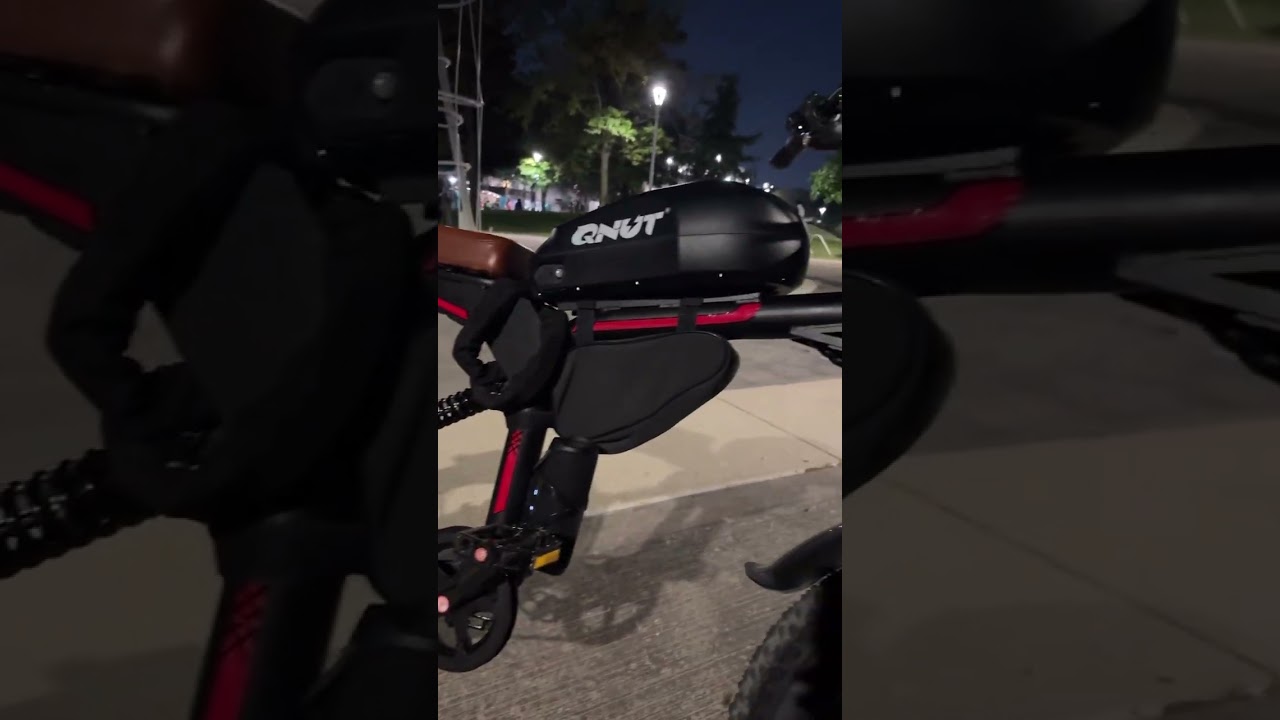
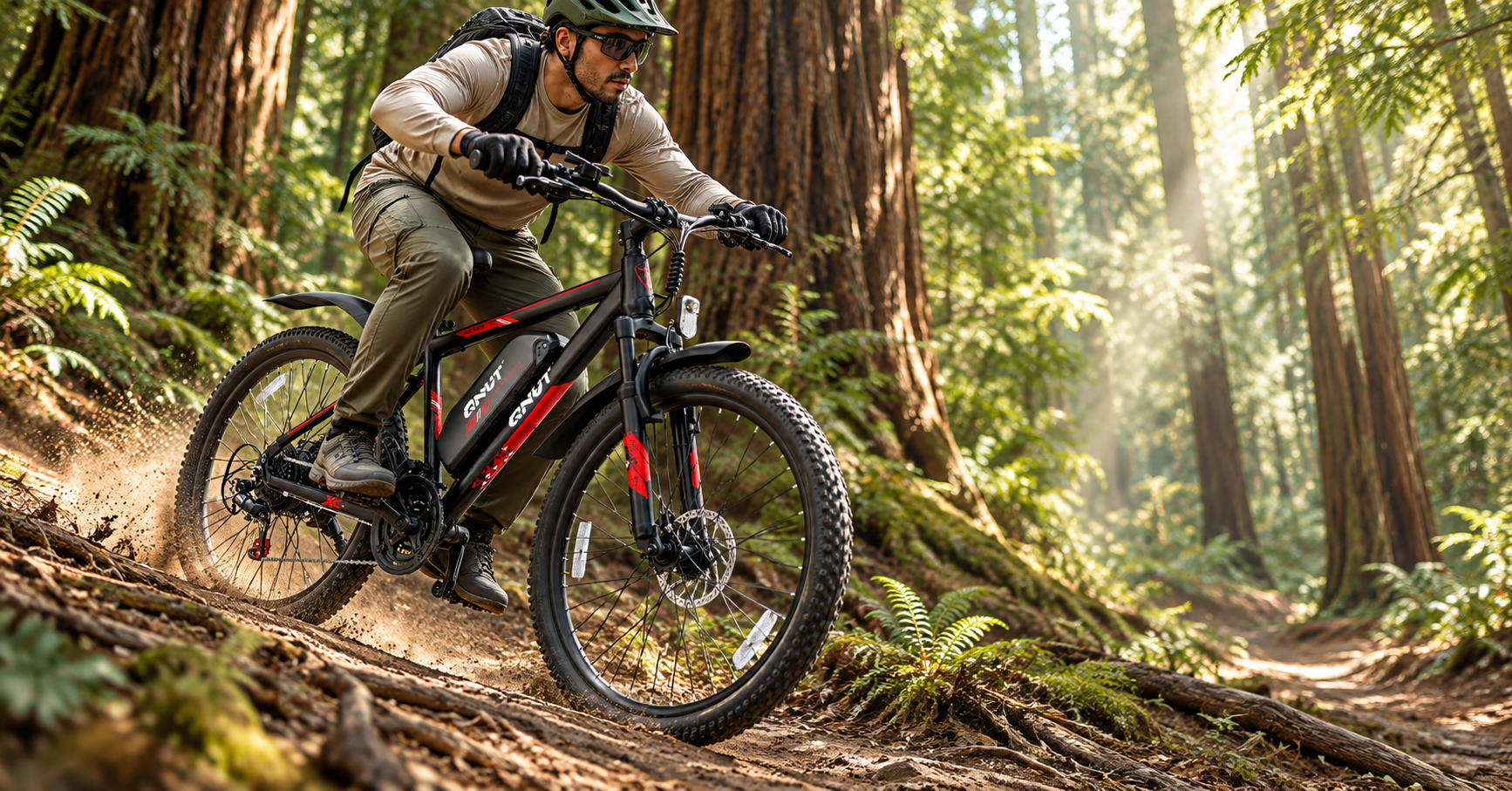
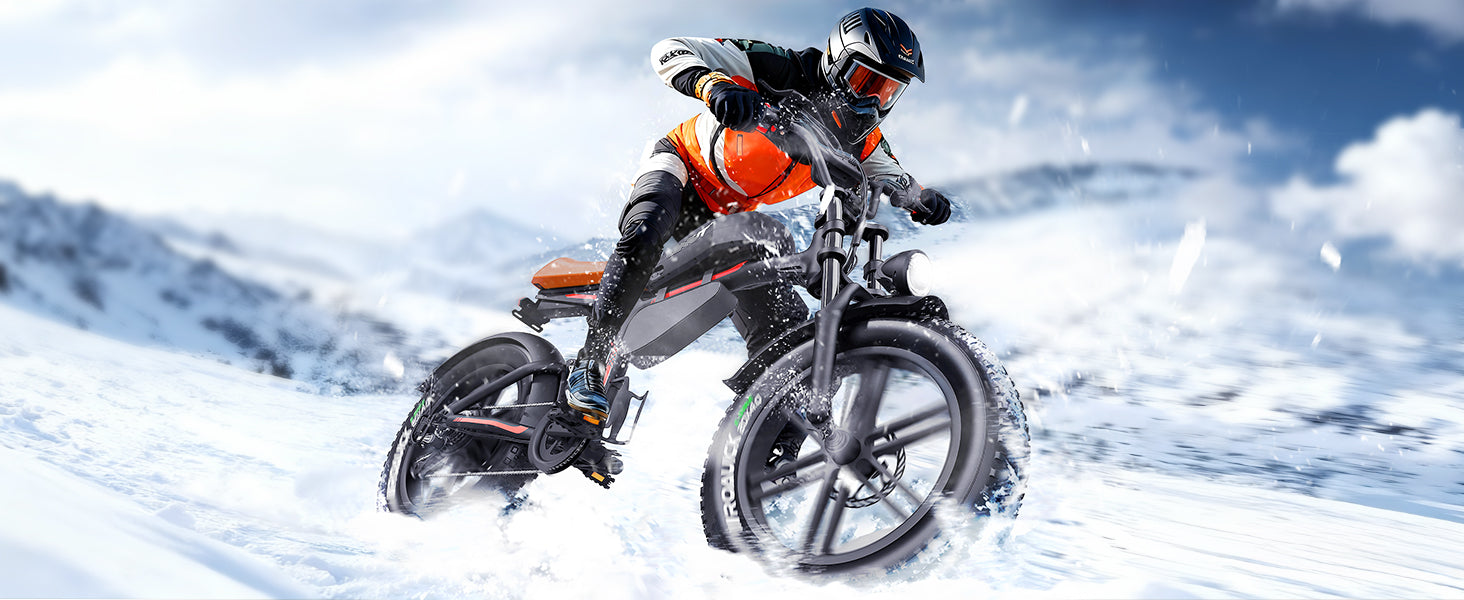
This product arrived well packaged with no discernable damage to the outer box. After unpacking all of the parts and upon a thorough inspection, I've found none of them had any structural damage or paint scratches. However, both paddles' plastic outer layer was covered by some sort of sticky substance. I'm not sure if it was polymer degradation residue or some kind of intentional layer applied in the factory meant to protect them. Regardless, I readily cleaned it off using some 70% isopropyl alcohol and then proceeded to assemble the bike. The assembly instructions found in the included manual were not written using perfect English grammar and syntax and do contain some errors. That said, the included pictures and just common sense still made the assembly process a breeze. Also, you can always search for "QNUT Victor e-bike assembly" on YouTube for some online support.The battery came out fully depleted out of the box and took about 3–3.5 hours to fully charge. It does weigh quite a bit, but even after installing it I found the bike's weight to be fairly manageable and easily moved around. Once you turn on the battery, you can turn on the LCD screen.The screen's functions are very straight forward. It has 3 modes: SPEED (mph), which is the default option, TRIP (distance traveled in miles since the last time you turned on the battery), and ODO (total distance traveled in miles). Below the screen, there are 2 buttons, "+" and "-", which are used to switch between the "0"-"5" paddle-assist modes. "0" means the paddle-assist feature is off (i.e. manual paddling only), whereas the "1"-"5" levels will provide battery-powered motor assistance to accelerate the bike. All 5 modes have a safety feature where they don't kick in until the bike is moving at about 1 mph, which is definitely something that takes some getting used to. Also, all 5 modes provide the same level of motor power; the difference is in the cut-off point (i.e. the specific mph speed at which the motor will turn off until you slow down or switch to a higher paddle-assist mode). From my experience the cut-off points are: "1" - 10.4 mph, "2" - 12.7 mph, "3" - 15.3 mph, "4" - 18.6 mph, "5" - 20.3 mph. Finally, once the bike is moving at a speed of about 1 mph or higher, you can choose to go fully automatic by twisting the throttle grip (located on the right side of the handlebar). This allows the user to "kickback" and enjoy the view as the e-bike accelerate all the way to the max speed of approximately 20.3 mph. Just keep in mind that this will deplete the battery faster and also make changing gears a bit trickier depending on when exactly the user decides to go back to paddling.Speaking of the gears, the bike features a 21-speed gear system. It consists of 3 chainrings, located in between the paddles, and a 7-sprockets cassette, located right next to the rear hub. The chainrings and the cassette each have its own derailleur that is control by a shifter located in the handlebar. The 3 levels chainrings shifter is located near the left handle, and the 7 levels cassette sprockets shifter is located on the right side of the handlebar. From my experience, I recommend shifting gears in the following way:For starting the bike from full stop and climbing hills: keep the left lever at "1" and shift the right lever from "!" to "2" and then finally to "3"For medium speed and or flat surfaces: keep the left lever at "2" and shift the right lever from "3" to "4" and then finally to "5"For going down hill and riding with the wind: keep the left lever at "3" and shift the right lever from "5" to "6" and then finally to "7"There's definitely a learning curve here and this requires quite a bit of experimentation, especially for those who've never ridden a geared bike before, let alone a dual-shifter, high gear bike. I'd strongly recommend becoming proficient in the usage of the various gears before engaging the paddle-assist modes. Also, you should test the dual-disk break system, which is quite robust and handles very well from my experience, to get a feel for how quickly you can bring the bike to a full stop. This is especially true for when you start using the paddle-assist modes, because that system can send flying really fast if you're nor ready for it.You'll have plenty of time to master the gear and paddle-assist systems, though, thanks to the surprisingly hefty battery capacity. I didn't test the advertised 20–40 miles range very precisely, but it definitely sounds about right. I used it mostly in the park near my house for about 2–3 hours a day, every day over the weekend and to do some light shopping at the local grocery store and I still had plenty of battery juice left at the end of each day.Finally, I'll mention a few worthwhile tidbits regarding this electric bike.First, according to the technical details found ...