As electric mobility takes center stage in the push for cleaner, more efficient transportation, consumers are increasingly faced with a key question: electric motorcycle vs electric bicycle—what's the right choice? Both offer compelling benefits, but depending on your lifestyle, commute, and local regulations, one may be more suitable than the other.
In this comprehensive guide, we’ll break down the differences between electric motorcycles and electric bicycles, focusing on:
- Power and performance
- Legal classification and licensing
- Usage scenarios and practicality
- Cost of ownership and maintenance
- Safety and convenience features
- Environmental impact
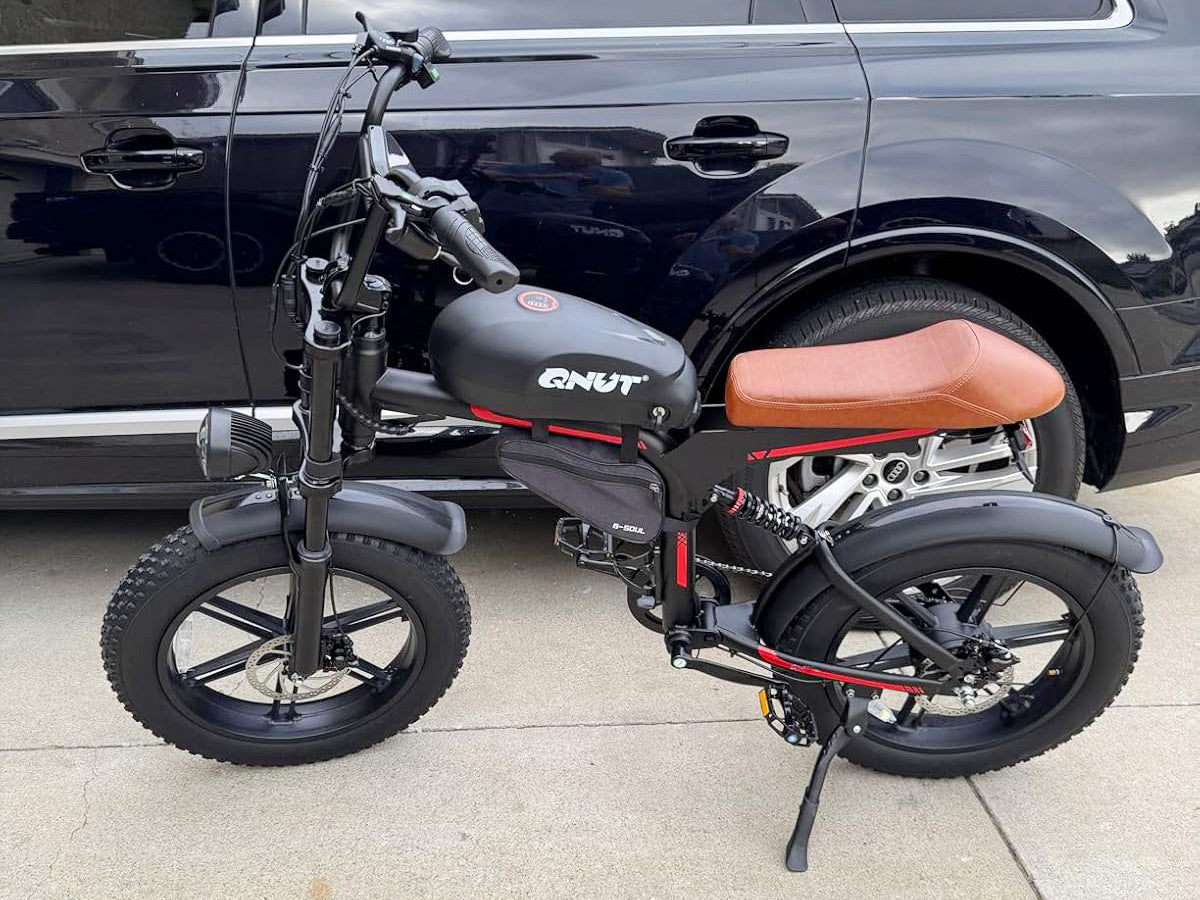
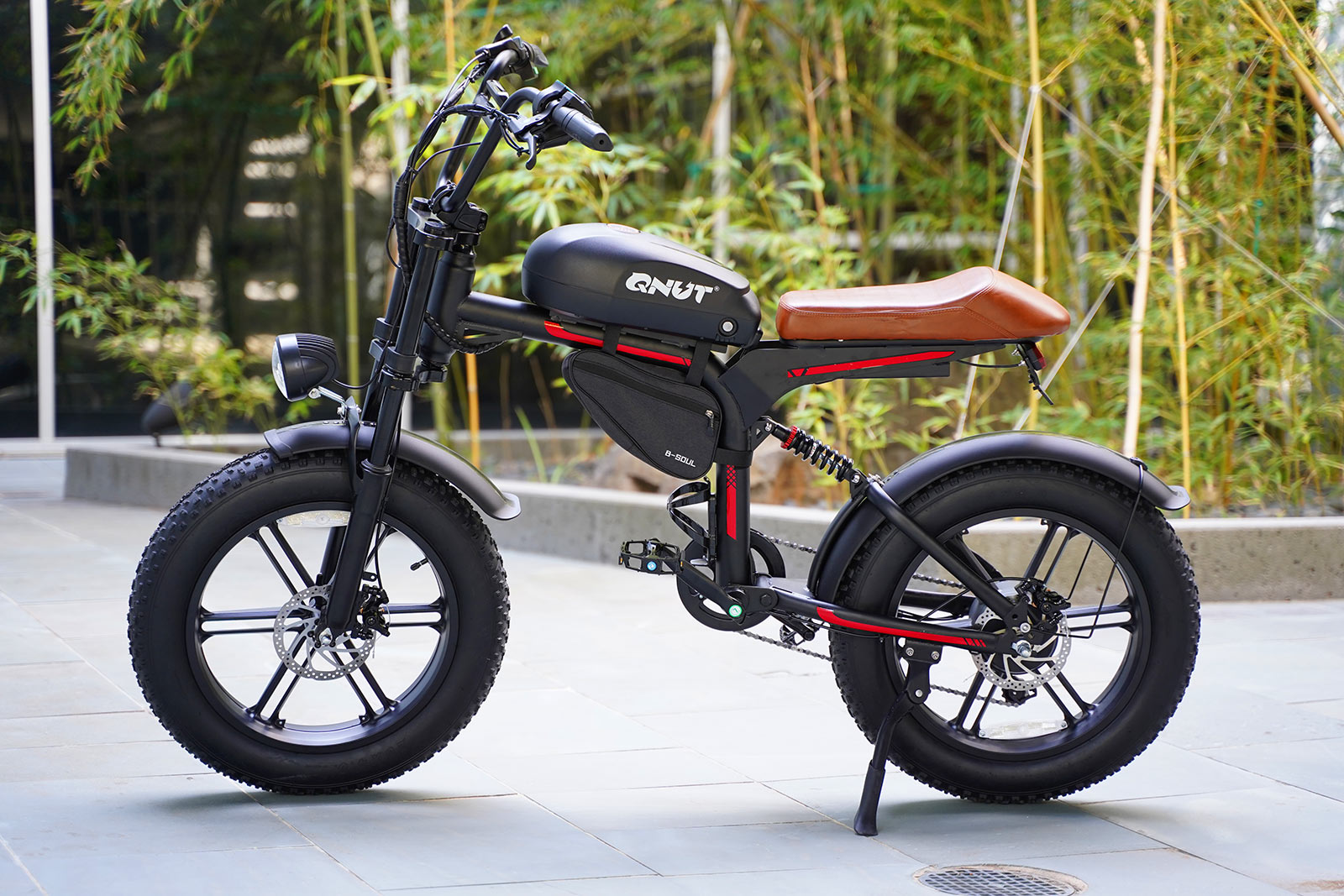
We’ll also spotlight a real-world example of a modern electric motorbike—the QNUT BK20 Electric Motorbike—to help illustrate key features and design considerations.
Let’s dive in.
1. Defining the Two-Wheelers: What Are We Comparing?
What Is an Electric Bicycle (E-Bike)?
An electric bicycle, or e-bike, is a bicycle equipped with an electric motor and battery that assist with pedaling. Classified into three categories in the U.S. (Class 1, 2, and 3), e-bikes maintain characteristics of traditional bicycles but enhance them with motorized support.
Common features:
- Pedal assist and/or throttle
- Limited top speed (usually 20–28 mph)
- Can be used on most bike lanes and trails
- Doesn’t require a license or registration (in most areas)
What Is an Electric Motorcycle?
Electric motorcycles are two-wheel motor vehicles powered entirely by electricity. They are closer to traditional gas-powered motorcycles in terms of power, design, and speed, but use an electric drivetrain.
Common features:
- No pedals—powered entirely by throttle
- Capable of highway speeds
- Often requires a driver’s license, registration, and insurance
- Not allowed on bike lanes or trails
The line can sometimes blur, particularly with hybrid or moped-style bikes like the QNUT BK20, which combine design elements of both categories.
2. Power and Performance
E-Bike Performance
E-bikes typically use 250W to 750W motors, with torque focused on assisting the rider during pedaling.
Speed & Range:
- Speeds range from 15 to 28 mph
- Range depends on battery size and usage (typically 20–75 miles)
- Suitable for city commutes, light cargo, or recreational use
Electric Motorcycle Performance
Electric motorcycles use high-powered motors (often 1,500W or more) and are engineered for speed, acceleration, and torque.
Speed & Range:
- Speeds often exceed 60 mph
- Ranges vary from 50 to 200 miles
- Ideal for highway travel, intercity commuting, or performance riding
Where QNUT BK20 Fits
The QNUT BK20 straddles both categories:
- 500W nominal motor (1500W peak) for urban and trail riding
- Top speed of 28 mph
- 48V 18Ah removable battery, offering up to 68 miles of range
- Pedal-assist plus full throttle mode, providing flexibility for all riders
This makes it an excellent choice for those who want electric motorcycle-style performance in a compact, license-free package.
3. Legal Requirements and Road Access
Licensing & Registration
- E-Bike: No license or registration needed in most U.S. states for Class 1 and 2. Some states may regulate Class 3.
- E-Motorcycle: Requires a motorcycle license (Class M), registration, and insurance
Road & Trail Access
- E-Bike: Allowed on bike paths, bike lanes, and some multi-use trails
- E-Motorcycle: Restricted to roads; cannot use bike lanes or off-road trails without permission
The BK20’s Legal Advantage
Because the BK20 is limited to 28 mph and features pedal assist, it’s categorized more closely with e-bikes, avoiding many of the licensing and insurance requirements that come with e-motorcycles—perfect for urban riders who want speed without red tape.
4. Use Cases and Practicality
| Scenario | Best Choice |
|---|---|
| Daily City Commute | E-Bike or BK20 |
| Highway Travel | Electric Motorcycle |
| Recreational Trail Riding | E-Bike or BK20 |
| Cargo Delivery | BK20 or E-Motorcycle |
| Low-Noise Neighborhoods | BK20 |
The QNUT BK20 is particularly well-suited for:
- Urban deliveries
- Campus or neighborhood commuting
- Mixed trail and road environments
- Users without a motorcycle license
5. Cost of Ownership
Initial Cost
- E-Bike: $800–$2,000 (standard models)
- Electric Motorcycle: $5,000–$15,000
- QNUT BK20: $1,099 retail (competitive pricing with strong specs)
| Category | E-Bike | E-Motorcycle |
|---|---|---|
| Licensing | None | ~$50–$100/year |
| Insurance | None | ~$500+/year |
| Maintenance | Low | Medium to High |
| Charging Costs | <$0.10/mile | ~$0.10–$0.15/mile |
Summary:
The BK20’s value proposition lies in offering performance near that of an electric motorcycle without the steep ownership costs.
6. Safety and Comfort
E-Bike Safety Features
- Basic lighting
- Mechanical or hydraulic brakes
- Suspension (limited on budget models)
Electric Motorcycle Safety Features
- Advanced lighting systems
- ABS, traction control
- Full suspension systems
BK20 Highlights
- Front and rear full suspension
- Mechanical disc brakes
- Lighting system includes headlight, taillight, brake light, and turn signals
This combination ensures visibility, stability, and comfort across diverse urban terrains.
7. Environmental Impact
Both e-bikes and electric motorcycles contribute to emissions reduction, but:
- E-bikes consume less electricity overall
- Manufacturing emissions are lower for e-bikes
- Fewer battery resources required per unit
QNUT's BK20 features a removable lithium-ion battery, allowing for responsible charging, replacement, and recycling.
8. Brand Focus: QNUT and the BK20
QNUT is a forward-thinking brand focused on redefining urban mobility with powerful, accessible, and design-forward electric two-wheelers. The BK20 Electric Motorbike exemplifies this mission:
- Dual-mode functionality (pedal assist + throttle)
- 500W (1500W peak) motor with 28 mph top speed
- 48V 18Ah battery with long range
- Stylish yet rugged urban design
Visit the QNUT BK20 product page for full specifications.
9. Final Verdict: Which Should You Choose?
| Criteria | Best For |
|---|---|
| Cost-efficiency | E-Bike or BK20 |
| High-speed travel | E-Motorcycle |
| No license requirement | E-Bike or BK20 |
| Versatility | BK20 |
| Environmentally light | E-Bike |
If you’re an urban commuter, delivery worker, or weekend explorer seeking a powerful ride without the costs and legal hurdles of a full electric motorcycle, the QNUT BK20 hits the sweet spot.
10. FAQs
Q: Can I ride the BK20 without pedaling?
Yes, the BK20 offers a throttle-only mode in addition to pedal assist.
Q: Do I need a license to ride the BK20?
In most U.S. states, no license is required because it qualifies as a Class 2 or 3 e-bike.
Q: Is the BK20 waterproof?
The bike features weather-resistant components, but it is recommended to avoid submersion or riding in extreme downpours.
Q: How long does the battery take to charge?
Charging typically takes 6–8 hours from 0% to full.
Explore more at qnutbike.com.