

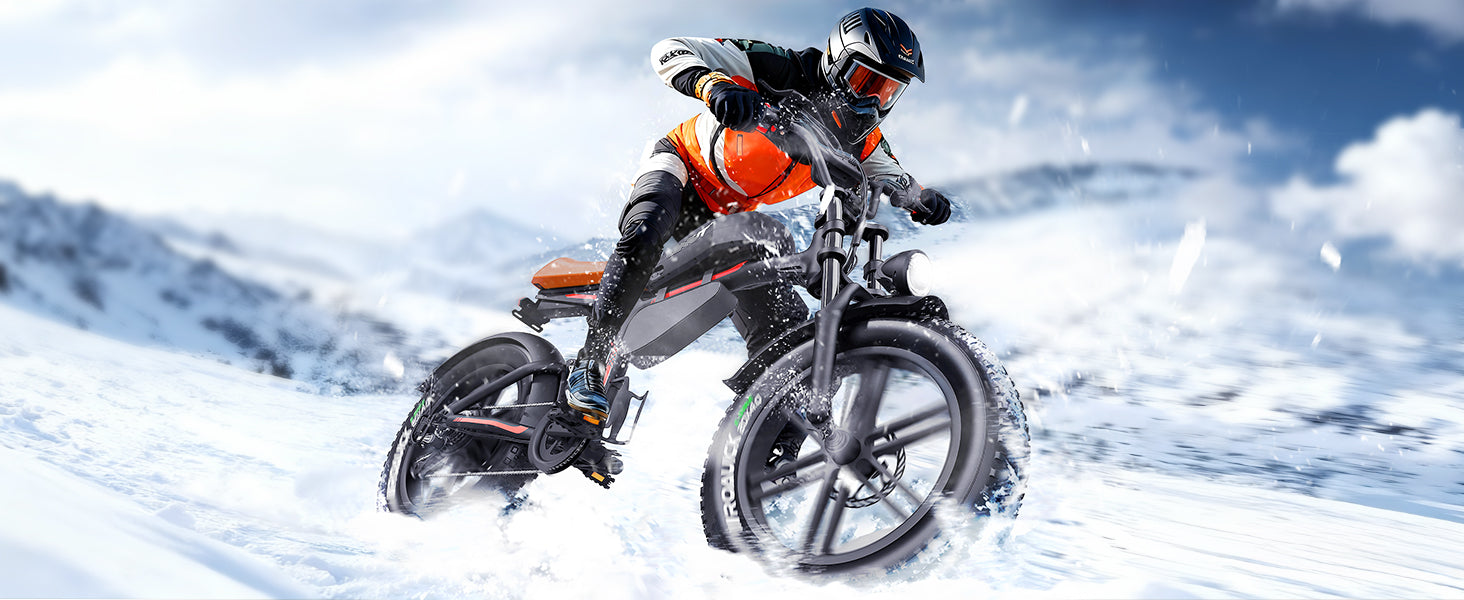
1. Why E-Bikes Are Booming in the U.S.
1.1 Gas Prices + Urban Traffic = Perfect Storm
Car ownership is becoming increasingly expensive:
-
Fuel costs remain volatile
-
Parking in cities is limited and costly
-
Traffic congestion is getting worse
E-bikes solve all three problems at once.
They offer:
-
Near-zero fuel cost
-
Easy parking
-
Faster commute in dense cities
1.2 Cities Are Actively Pushing People Toward E-Bikes
Governments are now incentivizing micro-mobility.
For example:
-
Cities like Palo Alto are paying people to bike to work
-
Infrastructure like bike lanes is expanding rapidly
This shift is not accidental — it’s policy-driven.
1.3 Delivery & Gig Economy Are Accelerating Adoption
A major 2026 shift:
Two-wheel deliveries (including e-bikes) are growing 4× faster than cars in North America
Why?
-
Faster in urban environments
-
Lower operating cost
-
Higher efficiency per hour
This is turning e-bikes into income-generating tools, not just consumer products.
2. The Rise of “Car Replacement” E-Bikes
The biggest change in 2026 is this:
People are no longer buying e-bikes for fun — they are buying them to replace cars.
Key Product Trends:
2.1 Long-Range Batteries
Modern e-bikes now reach:
-
60–90 miles per charge
-
Enough for full-day commuting
2.2 High Power Motors
-
1000W–1500W peak motors becoming standard
-
Capable of 25–28 MPH speeds
2.3 Cargo & Utility Use
A major 2026 trend:
-
High-load e-bikes for groceries, kids, commuting
This transforms e-bikes into:
-
Family vehicles
-
Daily utility machines
3. Why Consumers Are Switching Faster Than Expected
3.1 Cost Comparison (Car vs E-Bike)
| Category | Car | E-Bike |
|---|---|---|
| Fuel | High | Nearly $0 |
| Maintenance | Expensive | Minimal |
| Insurance | Required | Often none |
| Parking | Costly | Free |
The result:
E-bikes can save thousands per year.
3.2 Environmental Awareness Is Driving Decisions
Consumers increasingly care about:
-
Carbon footprint
-
Sustainable lifestyle
E-bikes offer a practical way to reduce emissions without sacrificing convenience.
3.3 Technology Is Finally “Good Enough”
Older e-bikes had problems:
-
Short range
-
Weak motors
-
Poor design
Today’s models are:
-
Powerful
-
Stylish
-
Reliable
This removes the biggest barrier to adoption.
4. The Hidden Opportunity: Why Most Brands Are Still Behind
Despite rapid growth, the U.S. market is still underpenetrated.
-
Only ~1.7 million units sold annually (still early stage)
-
Compared to Europe and Asia, adoption is still low
This creates a massive opportunity window:
The brands that position correctly now will dominate later.
5. What Smart Buyers Are Looking for in 2026
If you want to convert traffic, this部分非常关键(SEO + 转化点):
Users are searching for:
-
“best commuter ebike under $1000”
-
“long range electric bike 60 miles”
-
“fast electric bike 28mph”
-
“fat tire ebike for city and trail”
Decision Factors:
-
Range (minimum 40–60 miles)
-
Motor power (≥750W, ideally 1000W+)
-
Price-value ratio
-
Design (motorcycle style is trending)
-
Real user reviews
6. Why QNUT E-Bikes Fit This Trend Perfectly
At QNUT, we design e-bikes specifically for this new era:
-
High-performance motors (up to 1500W peak)
-
Long-range batteries for real commuting
-
Fat tire + urban hybrid design
-
Affordable pricing for mass adoption
This is not just about riding.
It’s about replacing your car.
Conclusion: The Future of Transportation Is Already Here
E-bikes are no longer “the future.”
They are the present.
With:
-
Government support
-
Rapid technology upgrades
-
Changing consumer behavior
The shift is inevitable.
The only question is:
Will you be early — or late?