Noticias

Qnut M1 Rocket: Your Compact Valentine’s E-Bike for City Commutes & School Runs – Now Only $299.99! 💘

Noticias

Qnut M1 Rocket: Your Compact Valentine’s E-Bike for City Commutes & School Runs – Now Only $299.99! 💘

por QnutBike en feb 04 2026
Tired of sitting in gridlock on your morning commute? Fed up with cramming onto crowded school buses? This Valentine’s Day, skip the generic chocolates and flowers—treat yourself (or your favorite person) to a game-changing ride: the Qnut M1 Rocket Mini Electric Bike. Built for urban life, this sleek, portable e-bike turns every short trip into a fast, hassle-free adventure. And right now, it’s available at an exclusive Valentine’s Day price: just $299.99!
QNUT E-Bike All-Season After-Sales Maintenance Manual

Noticias

QNUT E-Bike All-Season After-Sales Maintenance Manual

por QnutBike en feb 01 2026
Brand: QNUT | Official Website: qnutbike.com | After-Sales Support Email: support@qnutbike.com Foreword: Different seasons bring unique environmental challenges to e-bikes—from winter cold and road salt to summer heat and rain, and spring/fall humidity and debris. This manual integrates all-season maintenance essentials, customer frequently asked questions (FAQs), and after-sales guidance tailored to QNUT e-bikes. It aims to help you maintain your vehicle scientifically, ensure riding safety, and extend equipment lifespan. For any questions, feel free to consult us via the official website or send an email to our after-sales support team—we will provide professional solutions. Chapter 1 Core All-Season After-Sales Maintenance Items 1. Battery Management & Maintenance (Year-Round Focus) The battery is the core component of e-bikes, and its performance is greatly affected by temperature and usage habits. Scientific management can effectively reduce wear and extend its service life. Winter (Low Temperature & Road Salt) 1. Pre-Ride Warming: Remove the battery and store it indoors (50–70°F / 10–21°C) overnight to ensure it stays at an optimal operating temperature. If the battery is non-removable, move the entire bike indoors 1–2 hours in advance to pre-warm. Use a dedicated insulated sleeve or thermal cover for the battery during rides to minimize heat loss and prevent sudden power cuts due to low temperatures. 2. Avoid Deep Discharge: Battery activity decreases in winter, and deep discharge (below 30% capacity) accelerates permanent capacity loss. Maintain the battery charge between 30%–80% daily, and recharge promptly after riding—never wait until the battery is fully depleted. 3. Indoor Charging Guidelines: Always charge the battery at room temperature. Ensure the battery temperature rises above 32°F (0°C) before charging—charging below this temperature drastically reduces efficiency and may cause permanent damage to battery cells, which is not covered under warranty. Follow the charging sequence: connect the battery first, then the power source. Unplug the charger immediately after full charge to avoid prolonged trickle charging. Summer (High Temperature & Humidity) 1. Avoid Overheating: Do not park the bike in direct sunlight for extended periods, as high temperatures (above 95°F / 35°C) can damage battery cells. Choose shaded areas for parking, and avoid using high assist mode continuously in extreme heat. 2. Charge with Ventilation: Charge the battery in a cool, well-ventilated area—never charge in a closed car or stuffy space. Avoid charging immediately after riding when the battery is still hot; let it cool down for 30–60 minutes first. 3. Moisture Protection: Protect the battery and charging port from rain and splashes. If the port gets wet, dry it thoroughly with a soft cloth before charging to prevent short circuits. Spring & Fall (Humidity & Debris) 1. Charge Level Maintenance: Maintain battery charge between 40%–80% for daily use. For short-term storage (1–2 weeks), keep it at 50%–60% to balance cell activity. 2. Port Inspection: Regularly check the battery connection port for dust, moisture, or corrosion. Wipe it with a dry cotton swab if needed to ensure a stable connection. 3. Avoid Sudden Temperature Changes & Idle Maintenance: In spring and fall, temperature fluctuations between day and night can cause condensation. Keep the battery indoors when not in use to reduce the impact of temperature swings. Additionally, if the e-bike is not in use temporarily, recharge the battery every 2 months to maintain cell activity and prevent irreversible capacity loss. 2. Riding Habits Adjustment (Reduce Wear Year-Round) Proper riding habits save battery power, reduce mechanical load, and lower the risk of malfunctions across all seasons. 1. Mode Selection: Use Eco mode (low assist) on flat terrain and for daily commutes. Reserve high assist only for steep climbs, headwinds, or icy/slippery sections (winter). In summer, avoid prolonged high assist to prevent battery overheating. 2. Gradual Acceleration & Braking: Sudden throttle use strains the battery, while abrupt braking wears brake pads and rotors. Accelerate and decelerate smoothly to extend component lifespan. 3. Route & Backup Planning: Winter: Plan routes with charging stations or carry a pre-warmed backup battery. Summer: Avoid riding during the hottest part of the day (10 AM–4 PM) when possible. Spring/Fall: Avoid muddy or debris-covered roads to reduce drivetrain wear. 3. Mechanical & Routine Maintenance (Seasonal Focus) Winter 1. Tire Pressure Adjustment: Cold air reduces tire pressure, increasing rolling resistance. Check tire pressure weekly and inflate to the upper limit recommended in the vehicle manual (typically 35–45 PSI; refer to the vehicle label). Inspect for punctures or bulges after inflating. 2. Drivetrain Lubrication: Use winter-specific lubricants (low-temperature resistant, anti-caking) to prevent chain stiffness. Clean road salt and debris from the chain after riding to avoid rust. Replace severely rusted chains promptly. 3. Brake Efficiency Check: Ensure brake pads are clean and responsive. Clean rust from rotors with a dedicated cleaner. Allow for longer stopping distances in wet/snowy conditions. Summer 1. Tire Pressure: High temperatures increase tire pressure. Check pressure every 3–5 days and adjust to the recommended range (do not overinflate) to prevent blowouts. 2. Cooling System Inspection: For e-bikes with motor cooling systems, check the cooling fan and vents for dust and debris. Clean them regularly to ensure proper heat dissipation. 3. Brake Cooling: Avoid continuous hard braking in high temperatures, as this can cause brake fade. Let brakes cool down periodically during long rides. Spring & Fall 1. Tire & Drivetrain Cleaning: Spring rain and fall leaves can leave mud and debris on tires and chains. Clean the drivetrain weekly with a brush and mild detergent, then reapply all-purpose lubricant. 2. Brake Pad Inspection: Humidity can cause brake pad degradation. Check pad thickness monthly—replace if less than 1mm. Wipe rotors to remove moisture and dust. 3. Frame & Component Check: Inspect the frame for scratches or dents (more common in fall with fallen branches). Tighten loose bolts on handlebars, seatposts, and pedals. 4. Structural Protection (Seasonal Adaptation) 1. Winter: Install weatherproofing around the battery compartment to block moisture and wind chill. Apply silicone-based grease to bolts and pivot points to prevent freezing. 2. Summer: Use a UV-protective cover for the bike when parked outdoors to prevent frame fading and battery damage from sunlight. Apply a light coat of wax to the frame to repel rain. 3. Spring & Fall: Use a fender to prevent mud splatters on the battery and electrical components. Apply anti-rust spray to metal parts (especially after rainy days) to prevent corrosion. 5. Safety & Visibility (All Seasons) 1. Visibility Enhancement: Winter/Fall: Short daylight hours require high-visibility clothing (reflective vests) and LED lights. Summer/Spring: Use bright lights for early morning or evening rides, and wear light-colored clothing for visibility. 2. Battery & Component Monitoring: Year-round: Watch for battery swelling, leakage, or abnormal charging times. Check for unusual noises from the motor or drivetrain—contact after-sales immediately if issues arise. 3. Seasonal Gear: Winter: Use anti-slip tires or tire chains for icy roads. Summer: Wear breathable gear and use a bike cover to protect from rain. Spring/Fall: Carry a light rain jacket and a small tool kit for emergency repairs. Chapter 2 Frequently Asked Questions (FAQs) & After-Sales Answers A. Battery-Related Questions 1. Q: My QNUT e-bike’s range drops in winter/summer—Is this a malfunction?A: Reduced range in extreme temperatures is normal for lithium-ion batteries. In winter (32°F/0°C), range drops to 60%–70% of normal; in summer (above 95°F/35°C), range may decrease by 10%–20%. Alleviate this by pre-warming/cooling the battery, adjusting assist modes, and avoiding extreme temperatures. If range drops by over 50%, email support@qnutbike.com with your model and usage details for testing. 2. Q: The battery won’t charge in cold outdoor temperatures—What should I do?A: The battery’s protection mechanism activates below 32°F (0°C) to prevent cell damage. Bring the battery indoors to warm to 50°F (10°C) (1–2 hours), then recharge. If charging still fails, contact after-sales to check the port or battery. 3. Q: How to store the battery in different seasons?A: Winter/Summer: Store indoors (50–70°F/10–21°C) at 50%–60% charge. Avoid direct sunlight or freezing temperatures. Spring/Fall: Same charge level, store in a dry, well-ventilated area. For long-term storage (over 1 month) or temporary idleness, recharge the battery every 2 months to maintain 50% capacity and preserve cell health. 4. Q: The battery is swelling or leaking—Is this covered under warranty?A: Swelling/leakage is abnormal. Stop use immediately, keep away from heat, and do not touch leaked fluid. Send photos, model, and purchase date to support@qnutbike.com. QNUT batteries have a 2-year warranty for normal use; damage from extreme temperatures or misuse is excluded. We will provide replacement/repair options. B. Mechanical Component-Related Questions 1. Q: What lubricant should I use for the chain in different seasons?A: Winter: Use winter-specific low-temperature lubricants (anti-caking). Summer/Spring/Fall: Use all-purpose bicycle lubricant (waterproof for rainy seasons). Avoid heavy oil in summer, as it attracts dust. You can purchase QNUT-recommended lubricants via the official website, and our after-sales team is available via email to provide product selection guidance. 2. Q: The tires keep losing/gaining pressure with seasons—Is this normal?A: Yes. Cold air reduces pressure (winter), hot air increases it (summer). Check winter pressure weekly, summer pressure every 3–5 days, and adjust to the manual’s range. If pressure changes drastically in 1–2 days, check for punctures and contact after-sales for repair. 3. Q: Brakes feel soft in rain (spring/fall) or fade in heat (summer)—How to fix?A: Rain: Wipe rotors with a dry cloth; check for moisture in hydraulic lines. Heat: Avoid continuous hard braking; let brakes cool. If issues persist, contact QNUT after-sales for pad replacement or line adjustment. C. Riding Performance & After-Sales Service Questions 1. Q: The bike lacks power in extreme temperatures—Is this a fault?A: Slight power reduction in winter (cold battery/motor) or summer (overheating protection) is normal. Improve performance by adjusting assist modes, cooling/warming the battery, and maintaining tire pressure. Severe power loss with noises/vibrations may indicate a motor fault—email after-sales for troubleshooting. 2. Q: Can after-sales repair components corroded by road salt (winter) or moisture (spring/fall)?A: Yes. QNUT provides online after-sales support for corroded components—our team will guide you through cleaning, rust removal, and lubrication steps via email. For severely corroded parts that need replacement, we offer official accessories for purchase via the website and provide detailed installation tutorials. Rinse components with clean water after riding in salt/mud, then dry thoroughly to reduce corrosion. 3. Q: How to contact QNUT after-sales for seasonal issues? What information is needed?A: All QNUT after-sales services are handled online. You can contact us via: ① Email: support@qnutbike.com; ② Official website (qnutbike.com) – submit a request in "After-Sales Support". Provide your model, purchase date, fault description (photos/videos help), and usage environment (e.g., winter snow, summer heat). We respond within 24 hours with remote troubleshooting guidance, maintenance tutorials, or accessory replacement solutions. 4. Q: Does QNUT offer seasonal maintenance services? What are the costs?A: Yes, we provide online seasonal maintenance support. Our services include winter (battery testing guidance, anti-rust tips), summer (cooling system check tutorials, tire inspection steps), and spring/fall (cleaning, bolt tightening instructions). Bikes under 1 year old get free personalized online maintenance guidance. For accessory replacement required during maintenance, pricing varies by model—email support@qnutbike.com or check the official website for details. Chapter 3 After-Sales Support & Service Instructions A. After-Sales Contact Information • Official Support Email: support@qnutbike.com (response within 24 hours; delayed on holidays) • Official Website: qnutbike.com (download maintenance manuals, submit fault requests, and access online after-sales resources in the "After-Sales Support" section) B. Warranty Coverage 1. Warranty Period for QNUT E-Bike Core Components: 2 years for batteries and motors, 1 year for controllers, 3 years for frames. Warranty covers quality issues under normal use; excludes damage from extreme temperatures, misuse, self-disassembly, or force majeure. 2. Normal seasonal wear (battery range reduction, tire pressure changes, lubricant degradation) is not covered. After-sales offers paid inspection and maintenance for these issues. C. All-Season Maintenance Tips 1. Monthly Comprehensive Check: Contact our after-sales team via email or the official website for remote guidance on inspecting batteries, motors, brakes, and drivetrains, addressing potential issues in advance with step-by-step tutorials. 2. Seasonal Cleaning: Winter: Remove road salt weekly. Summer: Clean dust from vents. Spring/Fall: Wash off mud and leaves to prevent corrosion. 3. Extreme Weather Avoidance: Avoid riding in temperatures below 14°F (-10°C) or above 104°F (40°C), as this causes irreversible component damage. QNUT reserves the right to interpret this manual. For maintenance questions or after-sales needs, please contact us anytime—we are committed to providing quality service. Wish you a safe and smooth ride all year round! Compiled by QNUT Brand Operations Department

Qnutbike Electric Bikes - Pre-Sales Notice & Service Guide

Noticias

Qnutbike Electric Bikes - Pre-Sales Notice & Service Guide

por QnutBike en feb 01 2026
Welcome to Qnutbike (qnutbike.com). To ensure a seamless shopping experience from pre-purchase inquiries to after-sales support, we have compiled this pre-sales notice. It clarifies our service policies, mandatory service request requirements, and key pre-purchase considerations. Please review these details carefully to avoid misunderstandings and protect your legitimate rights. 1. Order Information Retention All Qnutbike after-sales services (warranty claims, refunds, order inquiries) require strict order verification. Upon ordering, customers must immediately store the Order Number and Original Tracking Number securely (e.g., dedicated email folder, encrypted notebook). The Order Number is in your confirmation email and Qnutbike account “Order History”. Our logistics partner (e.g., DHL, UPS) will send the Original Tracking Number via a separate shipping email. These details are indispensable for verifying purchases, tracking shipments, and initiating services. Do not share the Order Number with unauthorized parties to prevent fraud. 2. Our Service Commitments 2.1 24/7 Customer Support Qnutbike provides 24/7 professional support for pre and post-purchase inquiries, including product specifications, local regulation compliance, shipping timelines, and payment methods. For assistance, email support@qnutbike.com with your full name, contact information, and specific product model (if applicable). Our multilingual team responds within 2-4 business hours (including holidays/weekends) with accurate answers. Clear inquiries avoid unnecessary delays. 2.2 1-Year Warranty Each Qnutbike electric bike has a 1-year limited warranty, effective from the delivery date (per logistics records). It covers material and workmanship defects (e.g., faulty wiring, defective batteries, loose components) under normal use. Exclusions include wear and tear, accident damage, improper use, unauthorized modifications, and neglect of manual-specified maintenance. To claim warranty, submit required documents (Section 3) and return the product (with original accessories) in its original condition (excluding normal wear). 2.3 30-Day Refund Policy Qnutbike offers a 30-day money-back guarantee for eligible orders, allowing returns if the unused, undamaged bike (with original packaging/accessories) fails expectations. Submit refund requests to support@qnutbike.com within 30 days of receipt, along with verification materials (Section 3), and await a Return Merchandise Authorization (RMA) number—returns without an RMA are rejected. Customers bear return shipping costs unless due to verified defects or shipping damage. Refunds (processed in 5-7 business days post-inspection) take 3-10 days via your original payment method. 3. Verification Document Requirements All service requests require complete, valid verification documents for timely processing; incomplete materials cause delays or rejection. Prepare the following before contacting support: • Order Number: 8-12 digit identifier in the confirmation email, linking to your purchase details. • Original Tracking Number: Logistics partner (e.g., DHL, UPS) code for shipment tracking and issue verification. • Photos/Videos: High-quality, unedited visuals as follows:    Defect claims: Multi-angle shots (including visible serial number) of the defect and entire bike. • Refund requests: Clean, (if applicable) assembled bike, accessories, and packaging (no damage/missing parts). • Shipping damage: Document packaging and bike damage immediately; do not discard packaging or assemble the bike. Photos/videos must be 1080p, well-lit, and unobstructed. Blurry, edited visuals or those with overlays/filters delay verification and may be deemed tampering. 4. Additional Important Notes • Check spam/junk folders for Qnutbike emails; add support@qnutbike.com to contacts for delivery. • Review full warranty/refund terms on qnutbike.com (“Customer Service”) for detailed exclusions and limitations. • Confirm product compliance with local regulations before ordering; Qnutbike is not liable for non-compliance. • Services require verification documents; third-party purchases are only valid if from authorized retailers. • Warranty applies to direct/authorized retailer purchases; parallel imports are uncovered, with no parts/repairs available. • Submit unedited, multi-angle visuals for faster verification; respond promptly to additional requests. • Payment security: Qnutbike uses encrypted gateways and never requests sensitive data via email. Verify suspicious requests immediately. • Confirm delivery address accuracy; address changes are only possible within 24 hours of ordering. • Inspect the bike upon receipt; report damage/defects with visuals within 48 hours to preserve warranty/refund eligibility. Qnutbike is committed to reliable products and professional service. This notice ensures transparent shopping by clarifying our policies. Your cooperation in providing verification documents enables efficient issue resolution. Thank you for choosing Qnutbike. For further assistance: support@qnutbike.com | Website: qnutbike.com  
Celebrate Love and Adventure this Valentine’s Day with QNUT eBikes

Noticias

Celebrate Love and Adventure this Valentine’s Day with QNUT eBikes

por QnutBike en ene 20 2026
Valentine's Day is the ultimate occasion to express your love and gratitude with a truly thoughtful present. This year, why not break the mold and surprise your significant other with the gift of adventure and unbridled freedom? With QNUT's exclusive Valentine's Day combo packages, you and your partner can embark on unforgettable rides, crafting lasting memories as you traverse the open road together!
Feel the Rush: QNUT Victor Electric Mountain Bike In-Depth Review

Noticias

Feel the Rush: QNUT Victor Electric Mountain Bike In-Depth Review

por QnutBike en ene 14 2026
If you’re on the hunt for an affordable yet high-performance electric mountain bike, the QNUT Victor could be your perfect match. Drawing inspiration from a popular YouTube review, we’re sharing our firsthand insights to highlight what makes this e-bike stand out in the saturated e-bike market.  
Ride into the New Year in Style with the EC150 Electric Bike – Now $100 Off!

Noticias

Ride into the New Year in Style with the EC150 Electric Bike – Now $100 Off!

por QnutBike en ene 07 2026
The New Year has rolled in, and there's no better way to kick things off than by giving your daily commute a major upgrade with a sleek, high-performance electric bike. Allow us to introduce the EC150, the newest gem in QNUT's impressive lineup of top-notch e-bikes. As part of our special New Year promotion, you can snag this incredible ride at a sweet $100 discount. Whether you're navigating through the city's hustle and bustle, running errands, or just enjoying a leisurely cruise, the EC150 is designed to take your cycling experience to a whole new level. Powerful Performance Tailored for the Modern Commuter The EC150 is a marvel of engineering, featuring a 1200W peak motor that delivers smooth and consistent power. This means you can effortlessly tackle your daily rides, conquer steep hills, and breeze through long commutes without breaking a sweat. Paired with a 48V built-in battery, this bike offers an impressive range of up to 65 miles on a single charge. That makes it the perfect companion for both urban escapades and longer-distance journeys. Whether you're cruising at a top speed of 20mph or using the 7-speed system to fine-tune your control, the EC150 is fully equipped to meet all your commuting needs. Designed with Comfort and Convenience in Mind One of the EC150's most outstanding features is its 26” city step-through frame. This thoughtful design makes it incredibly easy to mount and dismount, which is a huge plus for both men and women. It seamlessly blends style with comfort, ensuring a smooth and enjoyable ride, even when you're navigating through the busiest city streets. Additionally, the 7-speed gearing system allows you to effortlessly adjust your pace to suit your preferred speed and the terrain you're facing. Whether you're gliding along flat surfaces or tackling small inclines, the EC150 adapts to your needs, providing a seamless and hassle-free riding experience every single time. Built to Last, Crafted Just for You The EC150 isn't just about delivering raw power; it's also built to withstand the test of time. With its high-quality construction, reliable components, and a strong emphasis on comfort, this bike is designed to keep you riding smoothly for years to come. The step-through frame is especially appealing to those who value both style and functionality, making it an excellent choice for both first-time e-bike riders and seasoned veterans. Why Should You Choose the EC150? 1200W Peak Motor: Experience reliable, powerful, and efficient performance on city streets, no matter the conditions. 48V Built-in Battery: Enjoy up to 65 miles of range on a single charge, making it perfect for all-day use without worrying about running out of juice. City Step-Through Frame: Easily mount and dismount with this convenient design, offering maximum comfort for both men and women. 7-Speed System: Adjust your ride to suit varying terrains, ensuring a smooth and enjoyable experience every time you hit the road. $100 Off for New Year: Start 2026 off on the right foot with some fantastic savings! Just use the code QNUT2026 at checkout to claim your exclusive discount. Take Advantage of Our Limited-Time Offer At QNUT, we're dedicated to bringing you the absolute best in electric bike technology. The EC150 is meticulously crafted to deliver ultimate performance, unparalleled comfort, and head-turning style. It's the ideal e-bike for your daily commute, weekend adventures, or leisurely rides around the city. Don't let this incredible opportunity slip through your fingers! Get your $100 discount today by entering the code QNUT2026 at checkout. But hurry – this promotion won't last forever! Order Your EC150 Now and Ride into 2026 in Style! Ready to experience the future of commuting? Shop Now and claim your $100 New Year Discount before it's too late!
Why QNUT Electric Bikes (Victor Pro & EC150) Outperform Competitors at the Same Price - Exclusive $100 Discount!

Noticias

Why QNUT Electric Bikes (Victor Pro & EC150) Outperform Competitors at the Same Price - Exclusive $100 Discount!

por QnutBike en dic 31 2025
Looking for an electric bike to kick off the New Year? QNUT’s top-tier models — the Victor Pro and EC150 — are your best bet. These e-bikes stand out not just for their exceptional performance and feature set, but also for their unbeatable value compared to peers in the same price range. And here’s the cherry on top: claim a limited-time $100 discount with the code QNUT2026. Read on to discover why these bikes are the ultimate choice for you! Introducing QNUT’s Flagship Electric Bikes QNUT has crafted two standout e-bikes tailored to distinct riding needs: the Victor Pro and the EC150. Let’s break down their unique strengths and why they’re the go-to option for riders seeking high performance without breaking the bank. Victor Pro: The Off-Road Powerhouse Built for adventure seekers, the Victor Pro is engineered to tackle tough trails and uneven terrain with ease. At its core lies a robust 750W motor, paired with 20-inch fat tires that deliver exceptional traction and stability on rocks, mud, or even snow. Complementing its off-road prowess is a 7-speed gearing system, making it versatile enough to conquer steep hills and glide across flat surfaces effortlessly. Powered by a 48V 10.4Ah lithium battery, the Victor Pro boasts an impressive 60-mile range in pedal-assist mode — so you can explore further without constant recharging stops.(https://qnutbike.com/collections/electric-bikes/products/victor-pro-electric-mountain-bike) EC150: The Ultimate Commuter Companion For city dwellers, the EC150 redefines daily commuting with its blend of comfort and reliability. Equipped with a 500W motor, it delivers smooth acceleration and ample power for navigating urban streets — whether you’re heading to work or cruising around town. Its 48V battery offers a solid 45-mile range per charge, more than enough for daily commutes or weekend leisure rides. With a sleek design and emphasis on rider comfort, the EC150 turns every city trip into a pleasant experience.(https://qnutbike.com/collections/electric-bikes/products/ec150-commuter-ebike) QNUT vs. Competitors: A Clear Advantage Many e-bikes in the $1,000–$1,500 range claim to offer great value — but a closer look at features and performance reveals QNUT’s superior offering. Here’s how the Victor Pro and EC150 outshine the competition: Victor Pro vs. Rival Mountain E-Bikes While some competing mountain e-bikes may match the Victor Pro’s 750W motor, they often cut corners on battery capacity. Most peers in this price bracket use lower-capacity batteries, forcing frequent recharges and limiting your adventures. The Victor Pro’s 48V 10.4Ah lithium battery eliminates this hassle, delivering longer range and less downtime. It’s the perfect choice for riders who want to push their limits without worrying about running out of power. EC150 vs. Other Commuter E-Bikes Commuter e-bikes in the same price range typically rely on 36V batteries, which restrict both range and power. The EC150, however, comes standard with a 48V battery — translating to smoother acceleration, more power for hills, and a 45-mile range that outperforms most competitors. This level of performance is rarely seen in budget-friendly commuter bikes, making the EC150 a clear standout. Key Features That Set QNUT Apart The Victor Pro and EC150 boast premium features that competitors often overlook or skimp on — elevating both performance and rider comfort. Victor Pro Standout Features Front & Rear Disc Brakes: Deliver reliable stopping power in all weather conditions, giving you confidence when descending steep trails or making quick stops on rocky terrain. 20” Fat Tires: Provide extra grip and stability on rough ground — a critical advantage over competitors that use smaller, less capable tires. 750W Motor & 48V Battery: A powerful combo that handles off-road challenges with ease, while delivering a 60-mile range for extended adventures. EC150 Standout Features Advanced Shock Absorption: Smooths out bumps on city streets and uneven roads, ensuring a comfortable ride even during long commutes. Integrated LCD Display: Shows real-time data (speed, battery level, distance traveled) at a glance, keeping you informed without distractions. 500W Motor & 48V Battery: Work in tandem to deliver consistent power and smooth acceleration — ideal for daily commuting, with a 45-mile range to cover all your needs. Why QNUT Offers More for Less In the e-bike market, value for money is everything — and QNUT excels here. Most bikes in the $1,000–$1,500 range fail to match the Victor Pro and EC150’s combination of performance, features, and build quality. QNUT manages to pack premium components into a budget-friendly package, without compromising on power or durability. Plus, with the New Year $100 discount (code QNUT2026), you’re getting even more bang for your buck. This limited-time offer makes QNUT’s e-bikes the smartest deal for riders who refuse to settle for less than top-tier performance. Final Thoughts: Ride Into the New Year with QNUT Whether you’re a mountain biking enthusiast or a daily city commuter, the QNUT Victor Pro and EC150 are designed to exceed your expectations. With superior power, longer range, and enhanced comfort — all at a price that outperforms the competition — these bikes are a game-changer. Don’t let this limited-time offer slip away – secure your $100 savings with code QNUT2026 at checkout! Visit the links below to shop now and start your New Year with a QNUT e-bike. Ride smarter, ride further, and ride for less — with QNUT.  
New Year, New Adventures: Save $100 Off QNUT EC150 & Victor Pro Electric Bikes

Noticias

New Year, New Adventures: Save $100 Off QNUT EC150 & Victor Pro Electric Bikes

por QnutBike en dic 25 2025
1
As the calendar flips to a new year, it's the ideal opportunity to revolutionize your riding experience. Whether your resolution for 2026 is to enjoy a more seamless daily commute, embrace healthier outdoor activities, or embark on thrilling off-road escapades, QNUT electric bikes are meticulously crafted to propel you forward with power, comfort, and unwavering reliability. To mark the dawn of the New Year, QNUT is thrilled to unveil a limited-time 2026 New Year Sale on two of our most sought-after models: the EC150 Commuter Electric Bike and the Victor Pro Electric Mountain Bike. 🎉 2026 New Year Special Offer Unlock an instant $100 savings on select QNUT electric bikes by using the exclusive promo code:QNUT2026 💰 Discount: $100 OFF 📅 Valid Dates: December 25, 2025 – January 25, 2026 🚲 Eligible Models: EC150 & Victor Pro This offer is strictly time-sensitive and will not be extended. Seize this golden opportunity to kick off 2026 on two wheels and make it a year to remember! QNUT EC150 Commuter Electric Bike – Engineered for Everyday Liberation If you're on the hunt for a dependable, comfortable, and efficient electric bike for your daily commute, the QNUT EC150 is tailor-made for your needs. 🔗 Product page: https://qnutbike.com/products/ec150-commuter-ebike Why Riders Adore the EC150 Urban Commuting Essential: Perfect for navigating through bustling city streets and running daily errands. Smooth and Stable Ride: Offers a seamless and steady journey, ensuring a pleasant experience on urban roads. Effortless Long-Distance Travel: Electric assist technology makes covering longer distances feel like a breeze. Practical Design: Versatile enough for work, school, and weekend leisure rides. The EC150 is the ultimate choice for riders aiming to save time, cut down on transportation expenses, and adopt a greener mode of travel. Whether you're replacing car trips or upgrading from a conventional bike, the EC150 delivers unparalleled comfort and convenience without any compromises. With the QNUT2026 discount code, you can step into 2026 with a smarter, more enjoyable commute that sets the tone for a productive and fulfilling year. QNUT Victor Pro Electric Mountain Bike – Where Power Fuels Adventure For thrill-seekers who yearn for excitement beyond the smooth pavement, the QNUT Victor Pro Electric Mountain Bike is engineered to conquer trails, hills, and rugged landscapes with ease. 🔗 Product page: https://qnutbike.com/products/victor-pro-electric-mountain-bike Designed for Peak Performance and Precise Control Robust Electric Assistance: Provides ample power for climbing steep inclines and enduring long rides. Off-Road Dominance: Built specifically for mountain trails and outdoor exploration, ensuring you can tackle any terrain. Durable Construction: Features a sturdy frame designed to withstand the most demanding conditions. Ideal for Adventure Enthusiasts: Perfect for those who crave new challenges and have a passion for outdoor riding. The Victor Pro isn't just an e-bike; it's your ticket to discovering new trails, extending your riding range, and taking on bigger challenges. Whether you're venturing into forest paths or tackling steep mountain slopes, this electric mountain bike gives you the confidence to ride farther and faster than ever before. Now is the perfect time to upgrade your adventure gear and capitalize on the New Year savings to make 2026 your most exhilarating riding year yet. Why Choose a QNUT Electric Bike in 2026? Electric bikes are rapidly becoming one of the hottest transportation trends in the US and Europe, and for excellent reasons: 🚴♂️ Eco-Friendly Alternative: A sustainable choice that reduces your carbon footprint compared to traditional cars. 💸 Cost-Effective: Save a significant amount of money on fuel and commuting expenses over time. 🏙️ Versatile Usage: Equally suitable for navigating busy city streets and exploring the great outdoors. 💪 Health-Boosting: Encourages a more active and healthier lifestyle, promoting physical well-being. With QNUT, you're not just getting an electric bike; you're investing in a thoughtfully designed product that strikes the perfect balance between performance, comfort, and long-term reliability. Don't Miss Out on the 2026 New Year Sale This promotion is exclusively available from December 25, 2025, to January 25, 2026. Once it concludes, the $100 discount will be a thing of the past. How to Redeem: Select either the EC150 or Victor Pro model. Add your chosen bike to your shopping cart. Enter the promo code QNUT2026 at the checkout. Enjoy an instant $100 discount! Start 2026 on Two Wheels New year, new aspirations, new rides. Whether you're aiming for a smarter commute or pushing your limits off-road, QNUT electric bikes are ready to fuel your journey into 2026 and beyond. 👉 Explore the EC150 and Victor Pro today and take advantage of the QNUT2026 New Year Deal before it's too late. Make 2026 the year you embrace the freedom and excitement of electric biking!
Beyond the Pavement: 4 Unexpected Terrains Your Fat Tire Ebike Will Conquer

Noticias

Beyond the Pavement: 4 Unexpected Terrains Your Fat Tire Ebike Will Conquer

por QnutBike en sept 20 2025
By Alex Chen, Head of Product Development at QNUT. With over a decade of experience in ebike engineering, Alex is passionate about designing vehicles that unlock new adventures for our riders. As summer fades and the crisp air of autumn begins to call (updated for Fall 2025), many of us start thinking about the limits of our bikes. Have you ever stood at the edge of a sandy beach path, a leaf-dusted trail, or a snow-covered lane and thought, "My adventure ends here"? We believe your bike should be a key, not a cage. It should unlock year-round freedom, not limit it to perfect pavement. This is the core mission of the fat tire electric bike. In this guide, we'll explore the four surprising terrains where these incredible machines don't just survive—they thrive. We'll show you how they work, share tips from our experts, and hear from real riders, so you can see how a fat tire ebike can expand your map. In This Guide: ✅ Discover the 4 key terrains where fat tire ebikes provide unmatched stability. ✅ See real-world proof from the QNUT riding community. ✅ Get pro tips, including our tire pressure guide for different surfaces. ✅ Find the perfect QNUT ebike for your next adventure. For a complete breakdown of the technology that makes this possible, be sure to read our Ultimate Guide to Fat Tire Electric Bikes. 1. Sand & Coastlines: Your Personal Beachfront Path There's nothing more frustrating than pushing a bike onto the beach, only for its skinny tires to sink immediately. This is where a fat tire ebike feels like a magic trick. The extra-wide tires (4 inches or more) create a large surface area. By lowering the tire pressure, the bike "floats" on top of the sand instead of digging in. Pro Tip for Sand Riding: Before you hit the sand, lower your tire pressure to between 8 and 15 PSI. This maximizes the tire's footprint and provides the smoothest ride. It’s a simple adjustment that makes a world of difference.   Customer Spotlight: Sarah from San Diego "I could never get my old cruiser close to the water. Now, I can just throw my board on the  fat tire electric motorbike and ride straight to my favorite surf spot. It’s a total game-changer for my morning routine." Recommended for the Coast QNUT BK20 With its comfortable, cruiser-style frame and powerful motor, the BK20 is the ultimate vehicle for relaxed beach exploration. Its fat tires provide the float you need, while its corrosion-resistant components are built to handle the salty air. Shop the QNUT BK20 → 2. Snow & Winter: The End of the Off-Season With winter on the horizon, many cyclists are preparing to store their bikes. Safety and lack of traction are valid concerns that stop most riders in their tracks. Did You Know?According to a study from PeopleForBikes, the number of people cycling can drop by two-thirds when the weather is cold or snowy. A fat tire ebike is your key to being in the active one-third. The massive contact patch and aggressive tread on a fat tire ebike provide unmatched stability on packed snow and slush. This gives you the confidence to ride safely when other bikes would slide. While you still need caution on pure ice (only studded tires can handle that), a fat tire ebike conquers the vast majority of winter conditions, turning the off-season into your personal playground.   Recommended for Winter QNUT BK20 The BK20’s powerful motor helps you push through heavy slush, and its wide tires provide the stability needed to navigate plowed roads and snowy paths with confidence. Shop the QNUT BK20 → 3. Trails & Off-Road: Access the Unseen The best views and most peaceful spots are often just beyond where you can park your car. For anglers, hunters, photographers, and campers, a fat tire ebike is a silent, efficient "access vehicle." A Nation of ExplorersIn 2023 alone, 135.2 million Americans participated in trail-based recreation. A fat tire ebike is the perfect tool to enhance those adventures, letting you go farther and carry more gear. (Source: Outdoor Industry Association) These bikes handle dirt trails, muddy patches, and grassy fields with an ease that standard bikes can't match. The electric motor helps you haul gear up hills effortlessly, while the fat tires soak up bumps and maintain traction on loose ground. Pro Tip for Trails: When you hit a slick, muddy section, switch to a lower Pedal Assist (PAS) level. This reduces tire spin and gives you maximum torque and control, allowing the tire treads to grip the ground. Customer Spotlight: Mark the Angler "My favorite fishing spot is a two-mile hike from the road. Carrying my gear in was exhausting. With my QNUT fat tire bike, I can get there in 15 minutes, totally fresh and ready to fish. It’s quiet, so it doesn’t spook the wildlife. It’s completely changed my weekends."   Recommended for Trails QNUT's Rugged Fat Tire Ebikes For serious off-road use, look for a fat tire ebike with a durable frame and front suspension. The models in our QNUT Fat Tire Collection are built to handle the backcountry, giving you the power and reliability to expand your map. Explore the Fat Tire Collection → 4. Urban & Pavement: The Ultimate Shock Absorber This might be the most surprising terrain of all. You'd think fat tires would be slow and cumbersome in the city, but they offer a secret weapon for urban commuting: comfort and safety. The Reality of Our RoadsAccording to AAA, pothole damage costs U.S. drivers an average of $600 per repair. Those same hazards can easily damage a traditional bike or cause a crash. The high volume of air in fat tires acts as natural suspension. They soak up vibrations from potholes, cracked pavement, and trolley tracks in a way no skinny tire can. This creates a ride that is dramatically smoother, more comfortable, and safer because the bike maintains better contact with the ground. While you may not have the top speed of a road bike, your average speed is often higher because you don't have to slow down for every imperfection in the road.   Recommended for Urban Commuting QNUT BK20 The BK20 combines fat tire stability with a comfortable, stylish design. It smooths out rough city streets, and its powerful motor makes hills and headwinds disappear, making it the ultimate urban assault vehicle. Shop the QNUT BK20 → Which Adventure is Right for You? A Quick Guide Terrain Key Challenge Recommended Model Why It Excels Sand & Coast Sinking in soft sand QNUT BK20 Cruiser comfort meets fat tire float for the ultimate beach ride. Snow & Winter Lack of traction QNUT BK20 A powerful motor and stable base provide confidence on snowy roads. Trails & Off-Road Accessing remote spots QNUT BK20 Durable frames and suspension let you haul gear anywhere. Urban & Pavement Potholes & rough roads QNUT BK20 Smooths out bumps like a luxury SUV for a comfortable, safe commute. Frequently Asked Questions About All-Terrain Ebikes Are fat tire ebikes hard to pedal without electric assist? Due to their weight and wide tires, they require more effort than a standard road bike. However, QNUT bikes are equipped with multi-level pedal assist and a throttle, so you can choose the perfect amount of power for any situation. Most riders find they rarely turn the assist off completely. How does tire pressure affect my ride on different terrains? Tire pressure is crucial for performance. As a general rule: use lower pressure (8-15 PSI) for soft terrains like sand and snow to maximize grip. Use higher pressure (20-25 PSI) for pavement and hard-packed trails to increase efficiency and speed. Can I use a fat tire ebike for daily commuting? Absolutely. Many people, especially those in areas with rough roads or variable weather, find fat tire ebikes like the QNUT BK20 to be the most comfortable and stable option for daily commuting. They act as a natural shock absorber, smoothing out the ride. Conclusion: Your Adventure Awaits A fat tire ebike isn't just a different kind of bike; it's a different kind of freedom. It’s a tool that breaks down barriers—weather, terrain, distance—and turns limitations into year-round opportunities. The only question left is, where will you go first? Explore the Fat Tire Ebike Collection → Read the Ultimate Guide → Talk to a QNUT Expert →
The Beginner’s Guide to Commuter Ebike Maintenance

Noticias

The Beginner’s Guide to Commuter Ebike Maintenance

por QnutBike en sept 16 2025
Written by Victoria, Operations Manager at QNUT. With 5+ years of experience managing e-bike operations across the U.S. and EU, she specializes in helping riders get the most out of their commuter ebikes. Keep your daily ride reliable with simple, routine care. That brand-new electric bike felt amazing on your first ride, but how do you keep it running that smoothly? If the thought of e-bike maintenance sounds complicated or expensive, you're in the right place. This complete guide breaks down everything into simple, repeatable steps. In the next 10 minutes, you'll learn a routine that can save you over $200 a year in professional tune-ups and prevent the most common (and annoying) e-bike issues. Jump to a Section Why Maintenance Matters At-a-Glance Maintenance Schedule Essential Maintenance Checklist Quick Fixes for Common Problems Real-World Case Studies Regional Cost Estimates Frequently Asked Questions Free Printable Checklist Why Commuter Ebike Maintenance Matters Owning a commuter ebike is like owning a reliable car—you expect it to start, stop, and get you where you need to go every day. Regular maintenance ensures that: Safety comes first: Proper brakes and tires prevent avoidable accidents. Lower total cost: Preventive care avoids costly repairs. Better performance: A clean drivetrain and healthy battery mean smoother rides and maximum range. Data you can trust: According to the U.S. Department of Transportation (2024), the average urban commuter spends dozens of hours per year in traffic. A well-maintained ebike helps you avoid preventable delays and ensures reliable daily commuting. Commuter Ebike Maintenance Schedule (At-a-Glance) Before Every Ride (30 Seconds): Check tire pressure by squeezing, test brake levers, and confirm battery level. Weekly (5 Minutes): Wipe down and lube the chain; visually inspect lights and reflectors for function. Monthly (30 Minutes): Check for loose bolts on racks/fenders, and do a deeper inspection of brake pads and tire tread. Quarterly (1 Hour): Deep clean the drivetrain; check for app/firmware updates (if applicable). Annually: Book a professional tune-up (typical range: $75–$150) for bearings, wheel truing, and diagnostics. Maintenance cadence for reliable year-round commuting. Essential Maintenance Checklist for Commuter Ebikes 1) Tires & Wheels Pressure: Check weekly. Most commuter tires perform best at 40–65 PSI (always verify your tire’s sidewall). Tread wear: Replace if bald, cracked, or the puncture belt shows. True wheels: If the rim wobbles side-to-side, visit a shop. Right PSI = fewer flats and a smoother ride. 2) Brakes & Safety Systems Pad thickness: Replace pads if less than 3 mm of material remains. Rotor/pad cleanliness: Squeaks often mean contamination—clean with isopropyl alcohol. Lever feel: Should be firm and responsive, not spongy or pulling to the handlebar. Safety stat: The NHTSA notes that a significant share of bicyclist injuries happen in low-light conditions. Working lights and reliable brakes are essential for urban riders. Inspect pads monthly; replace before metal contacts the rotor. 3) Chain & Drivetrain Wipe weekly with a dry rag to remove grit. Lube every 100–150 miles with a bike-specific lubricant; wipe excess to avoid grime build-up. Replace chain roughly every 1,500–2,000 miles (usage and conditions vary). Your browser does not support the video tag. Here is a description: How to Lubricate a Commuter Ebike Chain in 2 Minutes. Short, repeatable steps keep your drivetrain quiet and efficient. 4) Battery & Electronics Charge window: Day-to-day, keep the battery roughly 20–80% to reduce stress on the cells. Storage: If unused for weeks, store at ~50% charge in a cool, dry place. Heat: Avoid leaving the battery in hot cars or direct sunlight; heat accelerates cell aging. Connectors: Inspect and keep clean/dry; look for any signs of corrosion. Battery fact: As summarized by Battery University, poor charging habits can materially shorten lithium-ion lifespan. Smart charging and storage habits extend usable battery life. 5) Frame, Lights & Accessories Post-rain wipe-down: Prevents corrosion on bolts and hardware. Secure mounts: Check racks, baskets, and mudguard bolts monthly to ensure they're tight. Lighting: Test weekly; bring spare batteries if you use clip-on lights. Guidance from the Portland Bureau of Transportation encourages weather-ready setups (fenders, lights, reflective elements) to maintain ridership in rainy seasons. Troubleshooting: Quick Fixes for Common Problems 🔋 Battery won’t charge Verify the outlet, charger LED, and wall switch (if any). Inspect charge port and connectors for dirt or corrosion; clean gently if needed. If still unresponsive, contact your brand’s support or a certified shop. ⚠️ Brakes feel spongy For cable discs: increase cable tension and check for frayed housing. For hydraulics: the system may need a bleed (shop service) or pad replacement. 🔗 Chain slips under load Clean and relube first; check chain wear with a tool. Persistent slipping can indicate a worn cassette or chainring—see a shop. 🔊 Clicking while pedaling Check pedal/crank bolts and seatpost clamp torque. Rule out loose bottle cages, racks, or fender stays. Real-World Commuter Case Studies Emily (Chicago) Situation: Commutes 12 miles daily. Action: Monthly chain cleaning and routine brake checks. Result: Annual costs kept under $80, saving $170+ compared to shop-only maintenance. Carlos (Portland) Situation: Ignored brake pad wear until hearing metal-on-metal grinding. Action: Emergency shop visit. Result: Paid $180 for rotor + pad replacement. A timely $20 pad swap would have prevented the extra cost and downtime. Sarah (New York City) Situation: Stores her bike during the winter. Action: Stored battery at ~50% charge and avoided summer heat. Result: Extended battery lifespan to ~4 years (vs. an estimated 2.5), saving ~$350 on a premature replacement. Small routine habits deliver outsized savings over a year. Regional Cost & Time Estimates (U.S.) West Coast (SF, LA, Seattle): ~$100–$150 tune-ups. Midwest (Chicago, Minneapolis): ~$60–$90 tune-ups. East Coast (NYC, DC): ~$120–$180 tune-ups. South (Austin, Atlanta): ~$70–$100 tune-ups. DIY time budget: ~15 minutes weekly + ~1 hour monthly. Labor rates vary by region and shop specialization. Seasonal Care Tips Winter: Keep the battery indoors to protect it from extreme cold; use fenders to manage slush; wipe road salt off the frame and drivetrain. Rainy season: Dry your bike immediately after rides to prevent rust, paying special attention to the chain and electrical connectors. Summer: Avoid leaving the battery in a hot car or direct sun for extended periods; check tire pressure more frequently as temperatures rise. Adjust your routine to the season for longevity and comfort. FAQs About Commuter Ebike Maintenance Can rain damage my commuter ebike? Most commuter ebikes are water-resistant, not waterproof. They can handle rain, but you should always dry and clean your bike after wet rides to protect components and prevent corrosion, especially on the chain and electrical connectors. Do I need special tools? A bike multi-tool, a quality tire pump with a gauge, and a bottle of bike-specific chain lube will cover over 90% of beginner maintenance tasks. When should I replace my battery? Typically after 500–800 full charge cycles (roughly 3–5 years of daily commuting). You'll notice degradation as a significant drop in your maximum range. Lifespan varies greatly with temperature exposure and charging habits. Is professional servicing mandatory? Not for the basics, but an annual tune-up is highly recommended. A professional mechanic can check for things you can't easily see, like hub bearing wear, wheel trueness, and firmware diagnostics. Free Download: The Ultimate Commuter Ebike Checklist Save time and never miss a step. Print this single-page checklist and keep it in your garage or office for easy reference. Download the Checklist (PDF) Final Thoughts Commuter ebike maintenance isn't about being a pro mechanic—it's about small, regular habits that keep you safe, extend the life of your components, and prevent costly, frustrating downtime. With this simple routine and an annual checkup, you’ll enjoy a reliable, smooth ride all year long. Have a Question or a Tip to Share? What's the one maintenance task you never skip? Do you have a question we didn't cover? Leave a comment below! At QNUT, we design commuter-ready bikes that are easy to live with and maintain. Explore the full QNUT Commuter Ebike Collection See the EC150 Commuter Ebike featured in this guide Author: Victoria, Operations Manager at QNUT. Reviewed for accuracy and clarity.
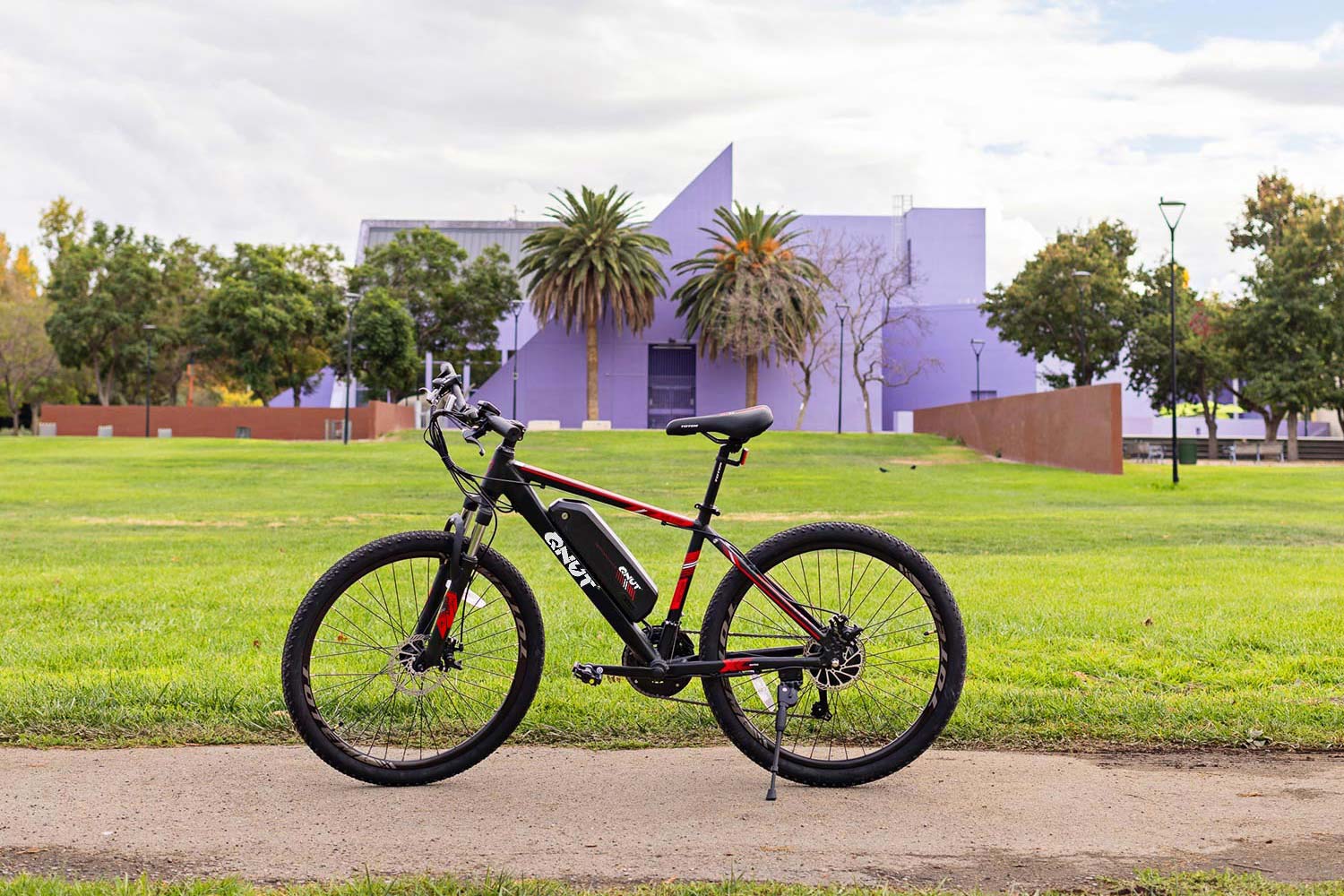
A QNUT electric mountain bike is parked on a paved path in a grassy park.

Noticias

Are Commuter eBikes Good for Fitness? The Surprising Truth

por QnutBike en ago 22 2025
Discover data-backed health benefits, practical training tips, and how QNUT commuter e-bikes turn everyday travel into sustainable exercise. Introduction: Breaking the E-Bike Fitness Myth You’ve probably heard it before: “E-bikes are cheating.” Because an electric motor assists your pedaling, many assume commuter e-bikes don’t provide meaningful exercise. The surprising truth is different: modern studies show e-bike commuting delivers substantial fitness gains—and for many riders, it’s actually more effective over time because you ride farther, more often, and more consistently. For busy professionals and students, e-bikes unlock the perfect blend of convenience and physical activity. With QNUT’s commuter lineup— including the versatile Victor Electric Mountain Bike and the confidence-inspiring BK20 Electric Motorbike—your daily ride can double as your daily workout. QNUT commuter rider en route to work. Explore QNUT Commuter eBikes Rethinking Fitness Through Commuting The Lost Value of Everyday Movement Sedentary jobs and tight schedules make it difficult to hit weekly exercise targets. The CDC recommends at least 150 minutes of moderate-intensity activity per week, yet many miss the mark because exercise competes with commuting time. Turning your commute into an active habit solves the time conflict and builds consistency. E-Bikes as a Fitness Gateway E-bikes integrate movement into a task you already do—getting to work. Studies report e-cyclists often ride farther per trip and more frequently than conventional cyclists, boosting total activity. In one university trial, riders commuting on e-bikes for ~40 minutes, three times a week for a month improved aerobic fitness and blood sugar regulation—without any additional gym time. (University of Colorado Boulder) Average Commute Distance by Mode of Transport (car, regular bike, e-bike). Data-Backed Benefits of Commuter e-Biking 1) Calorie Burn You Can Count On A typical 30-minute e-bike commute can burn approximately 200–300 kcal depending on assist level, rider mass, speed, and terrain. Over a 5-day workweek, that’s roughly 1,000–1,500 kcal—equivalent to about 0.3–0.45 lb of fat loss every two weeks when paired with smart nutrition. Research also shows e-cyclists often record higher weekly energy expenditure than regular cyclists because they ride longer distances and more frequently. Victor assist strategy: Level 1–2 (Eco) for maximum fitness stimulus; Level 3–4 (Balanced) for everyday commutes; Level 5 (Turbo) to reduce sweat before office arrivals. BK20 strategy: Use lower assist on flats to raise heart rate; increase assist for hills to maintain cadence and consistency. 2) Cardiovascular & Metabolic Health Gains Controlled trials report meaningful improvements in aerobic capacity (VO2 max) within 4–6 weeks of regular e-bike commuting. Participants also showed better glucose regulation and favorable shifts in lipid profiles. (CU Boulder) 3) Mental Health & Stress Reduction Switching from car or transit to active commuting correlates with lower perceived stress, improved vitality, and higher work satisfaction. E-bikes enhance these effects by making active commuting accessible on more days, across more routes, and to more riders. (Systematic review on e-cycling & health) (car, regular bike, e-bike) Calories per 30 minutes. Why Commuter e-Bikes Excel as Fitness Tools Consistency Over Intensity Fitness compounds through repeatable routines. E-bikes reduce barriers—wind, hills, fatigue—so you keep pedaling day after day. Consistency increases total training volume and supports sustainable weight management and cardiovascular health. Longer Distances, More Riding Across multiple cohorts, e-bike owners report riding farther per trip and more often than non-assist riders. Net effect: more minutes in the saddle, which typically beats sporadic high-intensity sessions in long-term adherence. Inclusive for All Ages & Fitness Levels Adjustable assist makes e-bikes joint-friendly and confidence-building: young professionals convert commute time into training time, mid-life riders protect knees and back, and seniors maintain balance and independence. Heart-rate zones for E-bike (moderate), Walk (low-moderate), Jog (vigorous). QNUT Commuter e-Bikes: Designed for Health + Lifestyle Victor Electric Mountain Bike Best for: Commute + weekend fitness hybrid Why for fitness: Lighter feel, responsive assist, great for cadence work See Victor BK20 Electric Motorbike Best for: Longer daily rides with stability & confidence Why for fitness: Encourages more total weekly minutes with comfortable posture Explore BK20 Looking for other options? Browse our full QNUT Commuter Collection. QNUT Victor vs. QNUT BK20 Comparison. Overcoming the “Cheating” Myth E-bikes may reduce per-minute exertion compared with non-assist cycling, but most riders compensate by traveling longer distances and riding more often. Multiple studies in physically inactive adults show e-cycling increases cardiorespiratory fitness and total physical activity. (IJBNPA) Practical Tips to Maximize Fitness with Your Commuter e-Bike Progressive assist: Start at Level 3; reduce to Level 2 after 1–2 weeks to increase workload. Commute intervals: Use flats for steady efforts; tap assist on hills to maintain cadence. Track metrics: Pair your rides with a heart-rate monitor to stay in moderate zones. Hit 150+ minutes/week: Two 30-minute commutes/day gets you there by Thursday. Recovery + nutrition: Hydrate, add protein, and prioritize sleep to see steady progress. Turn Your Commute into a Workout with Victor FAQs Do commuter e-bikes help with weight loss? Yes. A 30-minute commute typically expends ~200–300 kcal. Combined with consistent riding and smart nutrition, this supports gradual fat loss over weeks and months. How many calories do you burn on an e-bike commute? Roughly 200–300 kcal per 30 minutes for many riders, depending on assist level, mass, speed, and terrain. Lower assist generally increases energy expenditure. Are commuter e-bikes safe for older riders? Absolutely. Adjustable assist and stable geometry make e-bikes joint-friendly and confidence-building. Start with familiar routes, use lights, and follow local traffic rules. Is e-biking “real” exercise? Yes. E-bike riders often achieve moderate-intensity heart-rate zones and log more total minutes per week than they would on non-assist bikes, thanks to better day-to-day adherence. Conclusion: Fitness, Redefined by QNUT Commuter e-bikes aren’t “cheating.” They’re a smarter way to make physical activity consistent, inclusive, and enjoyable. With QNUT’s commuter range, your ride to work becomes a workout, a stress reliever, and a daily wellness ritual—no gym membership required. Shop QNUT Commuter eBikes Sources & Further Reading University of Colorado Boulder – Electric-assist bikes provide meaningful exercise IJBNPA – E-cycling increases physical activity and cardiorespiratory fitness Systematic reviews – Health benefits of e-cycling (open access) CDC – Physical Activity Guidelines for Adults Note: Calorie estimates vary by rider mass, speed, gradient, wind, temperature, tire pressure, and assist level. Encourage readers to track heart rate and perceived exertion to personalize training zones.
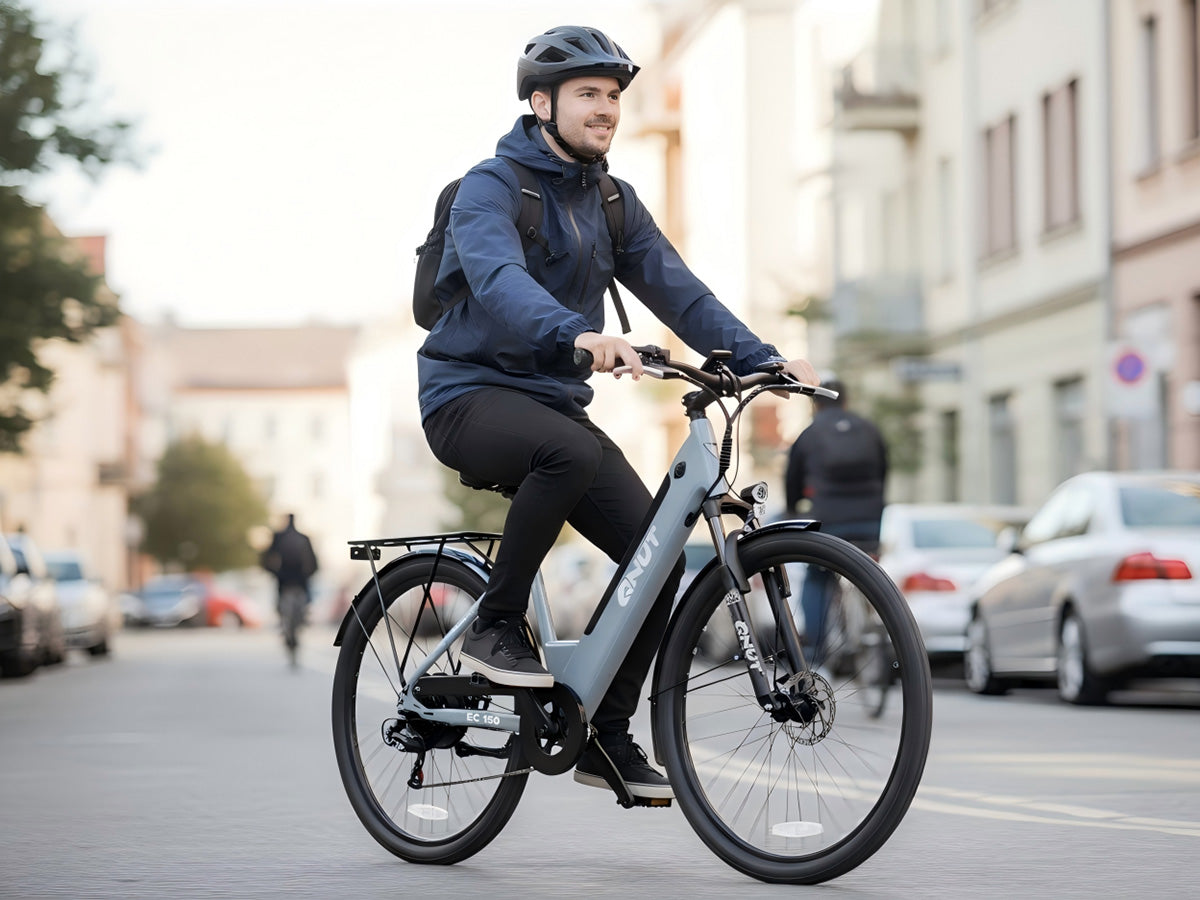
A person riding a QNUT Victor ebike through a sunny city park.

Noticias

How to Choose the Right Ebike Motor for Your Commute (Hub vs. Mid-Drive)

por QnutBike en ago 20 2025
At the heart of every great electric bike is its motor—the silent partner that flattens hills, conquers headwinds, and transforms your daily commute from a grind into a joyride. But when you start shopping, you’ll quickly face a critical decision: Hub Motor or Mid-Drive Motor? This isn't just a technical detail. The motor you choose fundamentally shapes how your e-bike feels, handles, and performs. It's the difference between feeling like you're being gently pushed by an invisible hand and feeling like you suddenly have the bionic legs of a superhero. At QNUT, we design bikes to match the rider. From the practical power of our QNUT Victor to the commanding torque of our QNUT BK20, we believe in giving you the right tool for the job. This guide will cut through the jargon, arm you with real data, and help you confidently choose the perfect motor for your unique commute. QNUT BK20 1500W Peak Power Electric Motorbike. Quick Takeaways: The 30-Second Version Hub Motors are the Pragmatic Powerhouses. Located in the wheel's hub, they're simple, reliable, and provide a powerful "push" feeling. They're fantastic for relatively flat commutes and for riders who value low maintenance and affordability. Mid-Drive Motors are the Integrated Athletes. Located at the pedals, they leverage the bike's gears for incredible efficiency, especially on hills. They offer a more natural, intuitive ride feel and better weight balance, making them ideal for hilly terrain and performance-focused riders. Torque is What You Feel. Measured in Newton-meters (Nm), torque is the twisting force that gets you moving. More torque means faster acceleration and better hill-climbing power. Your Commute is the Deciding Factor. The right motor isn't about which is "better," but which is better for you and your daily route.   What is a Hub Motor? The Workhorse in Your Wheel A hub motor is a self-contained unit that sits in the center (the hub) of your e-bike’s front or, more commonly, rear wheel. It functions independently of your bike's gears, applying torque directly to the wheel it's housed in. How It Works Think of it as a small, powerful engine laced directly into your wheel. When you pedal (or use a throttle), the battery sends power to the motor, which uses a series of magnets to spin the wheel. This creates a sensation of being pushed or pulled along, making for a simple and effective power boost. The internal components of an e-bike hub motor inside a wheel. The Pros: Why You'll Love a Hub Motor 👍 Reliability and Low Maintenance: Hub motors are sealed units with few moving parts exposed to the elements. This "set it and forget it" design means less wear and tear on your bike's chain and cassette, leading to fewer adjustments and lower maintenance costs over time. Affordability: Generally, the elegant simplicity of hub motor systems makes them more cost-effective to manufacture. This means you often get more power for your dollar, making bikes like the QNUT Victor an incredible value. Independent Power: Because the motor isn't connected to your pedals through the chain, it can provide power even if you're not pedaling (with a throttle). This is great for getting a quick start at a traffic light or taking a brief rest on a long, flat stretch. Redundancy: In the unlikely event your chain breaks, a hub motor with a throttle can still get you home. It's a completely separate drive system. The Cons: Potential Drawbacks 👎 Weight Distribution: Placing the motor's weight (typically 7-10 lbs) entirely on one end of the bike can make the handling feel less balanced compared to a mid-drive. Less Efficient on Hills: Hub motors operate at a fixed gear ratio. On long, steep climbs, this can cause the motor to operate outside its peak efficiency band, leading to increased heat and battery drain. Tire Changes are Trickier: Fixing a flat on the motor-driven wheel requires an extra step of disconnecting the motor cable, which can be a bit more involved than on a standard bike. The QNUT Victor: A Hub Motor in Action Our QNUT Victor is a perfect example of a well-executed hub motor e-bike. We use a powerful 350W geared hub motor that delivers a robust 55 Newton-meters (Nm) of torque. What does that mean for your commute? It means you get brisk, confident acceleration away from stoplights and have more than enough power to flatten moderate hills and fight through windy days. It's the ideal setup for the vast majority of urban and suburban commutes, offering a fantastic blend of power, reliability, and value. What is a Mid-Drive Motor? The Performance Core A mid-drive motor is located in the middle of the bike's frame, right where the pedals connect (the bottom bracket). Instead of powering a wheel directly, it powers the crank arms, sending its energy through the bike's own chain and gears. How It Works This is the key difference: a mid-drive motor works with your gears. This allows it to stay in its optimal RPM range, just like a car's engine. When you shift to an easier gear to climb a hill, the motor also gets the benefit of that mechanical advantage, allowing it to deliver high torque at low speeds efficiently. This system often uses sophisticated torque sensors that measure how hard you're pedaling and match your effort seamlessly. The Pros: The Mid-Drive Advantage ✅ Superior Hill Climbing: This is the mid-drive’s superpower. By using the bike's gears, it can tackle incredibly steep and long grades without overheating or draining the battery excessively. Research from sources like the Electric Bike Report has shown mid-drives can be 10-15% more efficient on varied, hilly terrain. Natural Ride Feel: Because it amplifies your own pedaling effort through the drivetrain, the assistance feels incredibly intuitive and natural. It’s less like being pushed and more like your own strength has been doubled. Balanced Handling: Placing the motor's weight low and centered on the frame results in a balanced, stable, and nimble ride. The bike feels more like a traditional, high-performance bicycle. Easy Wheel Changes: Since the motor is in the frame, the front and rear wheels are standard. Fixing a flat is as easy as it gets. The Cons: Potential Trade-Offs ❌ Higher Cost: The complex engineering and integrated sensors of a mid-drive system typically come with a higher price tag. Increased Drivetrain Wear: The motor's power is channeled through your chain, cassette, and chainrings. This can lead to faster wear on these components compared to a hub motor system if not maintained properly. Requires Active Shifting: To get the most out of a mid-drive, you need to be an active participant, shifting gears to match the terrain and keep the motor (and your legs) in the sweet spot. Hub vs. Mid-Drive: The Head-to-Head Commuter Challenge So, which one wins? It depends entirely on the racecourse—your daily commute. Infographic: Tale of the Tape Feature Hub Motor (e.g., QNUT Victor) Mid-Drive Motor Winner For... Best For Flat to rolling terrain Hilly, varied terrain Depends on Your Route Ride Feel Being "pushed" or "pulled" Natural, amplified pedaling The Purist: Mid-Drive Hill Climbing Good Excellent The Climber: Mid-Drive Weight Balance Rear/Front heavy Centered and low The Nimble Rider: Mid-Drive Maintenance Lower drivetrain wear Higher drivetrain wear The Pragmatist: Hub Motor Price More affordable More premium The Budget-Conscious: Hub Motor Efficiency Great on flats Great on varied terrain The All-Rounder: Mid-Drive Scenario 1: The Flat Urban Dash 🏙️ Your commute is 8 miles through the city. It’s mostly flat with a few small overpasses. You value reliability and getting away from traffic lights quickly. Verdict: Hub Motor is your champion. The QNUT Victor's 55 Nm of torque provides instant acceleration, and its straightforward design is perfect for the daily grind. You'll save money and have a robust, low-maintenance machine. Scenario 2: The Rolling Suburban Hills 🏞️ Your commute is 15 miles with several long, challenging hills. You enjoy the feeling of a workout but want a seamless boost to help you conquer the climbs without getting exhausted. Verdict: Mid-Drive is the smarter choice. Its ability to leverage your gears will make the hills feel effortless, all while maximizing battery efficiency for that longer distance. The balanced handling will also feel more confident on winding suburban roads. Scenario 3: The "Super Commuter" 🚀 You want to replace your car or motorcycle. You need power, speed, and a commanding presence on the road. Your commute is a mix of everything, and you're not afraid of a system that packs a serious punch. Verdict: This is where a high-power hub motor shines. Our QNUT BK20 is a perfect example. Its robust, motorcycle-inspired frame houses a 1500W peak-power hub motor churning out a massive 85 Nm of torque. This isn't just an assist; it's a statement. It provides exhilarating acceleration and the ability to maintain higher speeds, making it a true alternative form of urban transport. Beyond the Motor: What Really Matters Remember, the motor is only one part of the equation. A great commuter e-bike is a complete system. No matter which motor you choose, make sure it's paired with: A High-Capacity Battery (at least 500Wh) from a reputable brand. Responsive Brakes (disc brakes are the gold standard). Durable, Puncture-Resistant Tires. Essential Accessories like integrated lights, fenders, and a rack. Find Your Perfect Powerplant Choosing an e-bike motor is about honestly assessing your needs. Are you the pragmatic daily rider who values simplicity and power? A hub motor, like the one in our versatile QNUT Victor, is likely your perfect match. Are you a performance-oriented rider who craves efficiency and a natural feel on challenging terrain? A mid-drive is probably your calling. Or are you the power user looking to dominate the urban landscape? A high-torque machine like the QNUT BK20 awaits. The best way to know for sure is to ride one. We encourage you to find a local dealer, test both types, and feel the difference for yourself. Your perfect commute is waiting. Ready to explore? Check out our full Commuter E-bike Collection and find the QNUT that powers your journey.   Happy Person Commuting on a QNUT Bike.  
7 Must-Have Features for Your Commuter Ebike (and 3 You Can Ignore)

Noticias

7 Must-Have Features for Your Commuter Ebike (and 3 You Can Ignore)

por QnutBike en ago 16 2025
The Modern Commute Is Changing — Fast If you’re tired of sitting in traffic, watching gas prices climb, and struggling to find parking, you’re not alone. In the U.S., the average Urban commuter spends 54 hours per year stuck in congestion. (Texas A&M Urban Mobility Report, 2019). A growing number of Americans are ditching cars for commuter ebikes — combining speed, sustainability, and savings in one sleek package. But here’s the catch: the commuter ebike market in 2025 is flooded with options. Marketing promises can be shiny but misleading, and not every “cool feature” will actually improve your commute. We’ve compiled 7 must-have features — backed by data, real commuter case studies, and product comparisons — that every daily rider should look for. We’ll also call out 3 overrated features you can safely skip (and save money). Must-Have #1: Adequate Battery Range for Your Commute Your ebike’s range is your commute’s lifeline. You need a battery that covers your round trip + at least 20% reserve for detours, weather, or hills. Urban Average Commute: 6–12 miles one way Suburban Commute: 12–25 miles one way Recommended Battery Capacity: 500Wh–750Wh for most riders Data Insight: According to AutoInsurance.com, the average one-way commute in the U.S. is around 26 minutes (approx. 12–15 miles) — making a 500Wh battery the sweet spot for balance between weight, cost, and range. Why It Matters: Running out of battery mid-ride isn’t just inconvenient — it can make you late for work or leave you sweaty in office clothes. Product Example: The QNUT BK20 offers a 864Wh battery, capable of 68 miles per charge — more than enough for most commuters. Must-Have #2: Integrated Lighting & Reflective Elements Visibility is your first defense in urban traffic. Front Lights: Minimum 300 lumens for city streets Rear Lights: Continuous + brake-activated mode Side Visibility: Reflective tires or frame decals Safety Stat: NHTSA data (2024) shows 56% of cycling accidents occur during low-light hours — dawn, dusk, and night. QNUT BK20 is equipped with 500 lumens headlights, as well as continuously illuminated taillights, brake lights, and turn signals, effectively ensuring safety during nighttime commutes. Why It Matters: Built-in lights mean you don’t have to remember to attach or charge separate units. Reflective elements enhance 360° visibility. Must-Have #3: Reliable Braking System When you’re commuting at 20+ mph, you need stopping power you can trust. Disc Brakes: Best for all-weather reliability and modulation Rotor Size: 180mm front / 160mm rear for most commuters Performance Insight: Independent tests show disc brakes stop 23% shorter than traditional rim brakes in wet conditions. Product Example: The QNUT BK20 comes standard with front and rear dual disc brakes — minimal maintenance, maximum confidence. Must-Have #4: Comfortable & Adjustable Riding Geometry If you’re commuting daily, small ergonomic improvements add up. Adjustable stem and seatpost for proper posture Wide, ergonomic grips to reduce wrist strain Suspension fork or seatpost for uneven pavement Commuter Health Tip: A poorly fitted bike can cause back and wrist pain in as little as two weeks of daily riding (American Chiropractic Association). Why It Matters: Comfort isn’t a luxury — it determines whether you ride daily or revert to the car. Must-Have #5: Cargo-Ready Design Even minimalist commuters need to carry something — laptop, lunch, gym gear. Integrated rear rack (rated for 25–50 lbs) Pannier compatibility for balanced weight distribution Frame bosses for additional racks or baskets Pro Tip: Rear racks are more stable for heavier loads; front racks keep essentials visible. Must-Have #6: Weather Resistance Your ebike needs to handle rain without frying electronics. IP Rating: Aim for IP65 (dust-tight + resistant to water jets) Sealed Connectors: Prevent corrosion in wet climates Fenders: Keep clothes and drivetrain clean Stat: Portland Bureau of Transportation notes that rainy-day ridership drops only 20% among riders with fenders — versus 60% without. Must-Have #7: Multiple Assist Modes & Torque Sensor Fine-tuning pedal assist lets you save battery and match your riding style. Torque Sensors: More natural feel, better battery efficiency Multiple Assist Levels: Customize speed vs. range trade-off Walk Assist Mode: Useful for ramps or pushing the bike Efficiency Tip: Riders using torque-sensor-equipped bikes report up to 15% longer range per charge compared to cadence-only systems. 3 Features You Can Ignore Ultra-Fat Tires (4" or more) – Slower, heavier, and unnecessary for paved commutes. Overpowered Motors (500W+) – Drains battery faster, may be illegal on bike paths. Built-in Speakers – Fun for marketing, rarely practical or safe in traffic. Regional Incentives for U.S. Commuters (2025) California: $1,000 rebate for qualifying ebikes Colorado: $450 point-of-sale rebate Oregon: $500 statewide incentive starting Sept 2025 * For reference only. All information is subject to actual conditions in each state. FAQ Q: Can I ride a commuter ebike in the rain?Yes, if it has at least IP65 weather resistance and proper fenders. Q: How long will my commuter ebike battery last?Typically 500–1,000 charge cycles, or 3–5 years with regular use. Q: Is a torque sensor worth the extra cost?Yes — for smoother power delivery and improved efficiency. Key Takeaways Invest in core safety and reliability features before cosmetic upgrades. Consider your commute distance, terrain, and climate when prioritizing specs. Skip over-marketed extras that don’t improve your ride. Ready to upgrade your commute?Explore QNUT’s Commuter Ebikes or see the QNUT Victor for a feature-packed, ready-for-anything ride.
How Much Does a Commuter Ebike Really Cost? A Complete Price Breakdown (2025)

Noticias

How Much Does a Commuter Ebike Really Cost? A Complete Price Breakdown (2025)

por QnutBike en ago 14 2025
Introduction – Why Commuter Ebikes Are the Future of Urban Mobility The way Americans commute is changing fast. With gas prices averaging $3.65/gallon in 2025, congested city streets, and growing concern for environmental impact, more people are looking for cleaner, more affordable, and healthier ways to get to work. Enter the commuter ebike — a modern, efficient alternative that combines the best of cycling and electric mobility. According to the NPD Group, U.S. ebike sales have surged more than 200% since 2019. In cities like Denver, Sacramento, and New York, ebikes are becoming a go-to mode of transportation for professionals, students, and retirees alike. But what’s the real cost of owning and riding a commuter ebike? In this comprehensive guide, we’ll break down every cost — from purchase price to charging, maintenance, and even insurance — so you can make an informed decision. We’ll also explore state incentives that can save you hundreds or even thousands of dollars, compare ebikes to cars, and share real QNUT customer stories. Understanding the True Cost of a Commuter Ebike Upfront Purchase Price In 2025, most commuter ebikes in the U.S. range from $1,000 to $2,500, depending on build quality, battery capacity, motor power, and brand reputation. QNUT’s own Victor electric mountain bike — while designed for versatility — makes an excellent commuter choice thanks to its 350W motor, 36V 10.4Ah battery, and durable frame. Its price is only $599, offering premium commuter features without the luxury price tag. Key factors affecting price include: Motor type and power (hub vs mid-drive, 500W vs 750W) Battery capacity and range Frame material and geometry Quality of drivetrain and brakes Included accessories (fenders, racks, lights) Accessories & Setup Costs A bare ebike will get you moving, but for a true commuter setup, you’ll want: Rear rack: $50–$100 Pannier bags: $60–$200 High-quality lock: $50–$150 Helmet: $50–$100 Integrated lights (if not included): $40–$100 These can add $250–$500 to your initial cost.  Charging Costs Ebike charging is remarkably cheap compared to fueling a car. A typical commuter ebike uses around 20 watt-hours per mile. At the U.S. average electricity rate of $0.17/kWh, riding 20 miles per day costs about $2–$4 per month in electricity. Cost to travel 100 miles on a commuter ebike vs gasoline car in 2025 * According to data from the U.S. Energy Information Administration (EIA) in March 2025, the average electricity price in the United States is 17 cents per kilowatt-hour. Therefore, the cost of riding an electric bicycle for 100 miles is 100 miles × 20 Wh/mile = 2 kWh × 0.17 = $0.34. * According to data from the American Automobile Association (AAA), the fuel cost for gasoline vehicles is 14.90 cents per mile. Therefore, the total cost for a gasoline vehicle to travel 100 miles is 100 miles × 0.149 = $14.9. Maintenance & Repairs Commuter ebikes generally need: Annual tune-up: $75–$150 Brake pad replacement: $20–$40/year Chain replacement: $30–$60 every 1,500–2,000 miles Tire replacement: $50–$80 per pair every 2–3 years DIY maintenance can cut these costs in half. Insurance & Security While ebike insurance isn’t mandatory in most states, coverage for theft and damage typically runs $100–$250/year. Given that ebikes are valuable targets for thieves, a solid lock and optional GPS tracker are wise investments. Battery Replacement Most commuter ebike batteries last 3–5 years depending on usage and care. Replacement costs range from $500–$900. Comparing Ebike vs Car for Commuting Total Cost of Ownership Over 5 Years Cost Category Car (5 Years) Commuter Ebike (5 Years) Purchase Price $23,400 $599 Finance $6,660 $0 Fuel/Electricity $11,175 $255 Insurance $8,575 $1,000 Maintenance $7,597.5 $800 Registration/Fees $4,075 $0 Total $61,482.5 $2,654 * Gasoline car cost calculation method: Based on 2024 data from the American Automobile Association (AAA). Time & Convenience Savings Avoid traffic jams with bike lanes and shortcuts No parking fees Predictable travel times U.S. Incentives for Commuter Ebike Buyers (2025) Federal Perspective Currently, no nationwide rebate exists, though bills have been proposed. State and local incentives remain the best savings opportunities. State Incentives Top U.S. state incentives for commuter ebikes in 2025 (All information is subject to the actual subsidies provided by the local government.) Examples: Colorado – $1,500 instant rebate for residents California – Up to $2,000 for income-qualified applicants Vermont – $400 rebate for ebikes purchased from local dealers Connecticut – $500–$1,500 vouchers Customer Case Studies The Urban Professional – Denver, CO John switched to a QNUT commuter ebike after his downtown parking garage raised rates by $40/month. With Colorado’s $450 rebate, his Victor paid for itself in under one years through saved parking and fuel costs. The Retiree – Burlington, VT Mark enjoys 15-mile daily rides to the market and friends’ houses. With a $400 state rebate, his cost was manageable on a fixed income, and his monthly “fuel” bill is under $3. QNUT’s Perspective – Designing for Real-World Commuters At QNUT, we believe a commuter ebike should: Offer reliable range (40+ miles per charge) Deliver comfort for daily rides with ergonomic geometry Require minimal ongoing maintenance The QNUT Victor embodies these principles with a powerful motor, high-capacity battery, and commuter-ready design. Downloadable Infographic – Commuter Ebike Cost at a Glance One-page commuter ebike cost breakdown for U.S. riders Conclusion – Why Now Is the Time to Switch When you break down the real cost of commuting by ebike, the savings are undeniable — especially when compared to car ownership. Factor in state incentives, low maintenance costs, and the health benefits, and the case becomes even stronger. Whether you’re an urban professional, a suburban parent, or a retiree looking for affordable mobility, a QNUT commuter ebike can make your daily travel cheaper, healthier, and more enjoyable. Ready to start your journey? Explore our commuter ebike collection and see how the QNUT Victor could be your perfect ride.
how to ensure electric bike safety

Noticias

Mastering E-Bike Safety: 2025 Safety Riding Guide

por QNUT BIKE en jul 23 2025
Learn practical, data-driven ways to stay safe on your electric bike—from using visibility gear and GPS trackers to adopting smart riding habits. Featuring insights and tools, including how QNUT e‑bikes help you ride securely.
The Best Way to Buy an Electric Bike: Online vs. In-Store (2025 Guide)

Noticias

The Best Way to Buy an Electric Bike: Online vs. In-Store (2025 Guide)

por QNUT BIKE en jul 21 2025
Introduction: Choosing the Right Way to Buy an Electric Bike in 2025 With the rapid growth of electric bicycles across the U.S., more consumers are looking to purchase e-bikes for commuting, off-road adventures, or weekend fun. One of the first decisions any buyer must make is where to purchase: online or in-store? Each option comes with benefits and trade-offs, but the choice can significantly impact the overall value, cost, and satisfaction of your purchase. At QNUT, we’re not just building high-performance electric bikes—we’re also revolutionizing the way customers buy them. In this blog post, we’ll guide you through everything you need to know about buying an electric bike in 2025, comparing online and in-store purchases while highlighting how our flagship model, the QNUT Victor Electric Mountain Bike, offers the best of both worlds. Why People Still Buy E-Bikes In-Store    Purchasing from a brick-and-mortar bicycle shop has long been the traditional method for buying bikes, including e-bikes. Here’s why some people still prefer this route: 1. Immediate Test Ride & Hands-On Experience In-store shoppers can test ride bikes and get a feel for size, power, and handling before committing. 2. Face-to-Face Guidance Store staff can provide advice on frame size, terrain suitability, battery range, and maintenance tips. 3. Instant Pickup & On-Site Assembly Customers often leave with a fully assembled, ready-to-ride bike. There’s no need to wait for shipping or tackle assembly at home.   However, these advantages often come with significant hidden costs, which we’ll explore next. The Hidden Costs of Buying In-Store While the convenience of buying from a physical store is attractive, many shoppers underestimate the actual cost: 1. Higher Retail Prices In-store electric bikes are often priced $200–$500 higher than online due to:   Rent and utilities   Salaries and commissions for sales staff   Local taxes and regional pricing markups 2. Assembly Fees Most shops charge assembly and tuning fees, typically ranging from $100 to $300, even if the bike is in stock. This is on top of the retail price. 3. Limited Model Availability Inventory is often constrained by floor space, so customers may not find the exact model or size they want. 4. Local Taxes Depending on the region, you may also pay state or city-specific sales taxes, which can add another 5–10% to the purchase cost. In Summary: Cost Component In-Store Purchase Base Price $1,799 Assembly Fee $200 Local Tax (8%) $143.92 **Total  ** $2,142.92 Compared to an online purchase, where you might pay only $1,599 (including delivery and partial assembly), buying in-store can cost you 30–40% more . The Challenges of Buying an E-Bike Online Online shopping offers greater flexibility and better prices, but also presents some common concerns: 1. Assembly Worries Some customers worry they’ll receive a bike in a confusing pile of parts. 2. Aftersales Support Online shoppers may fear they’ll be left stranded if something goes wrong. 3. Repair Complexity Without an in-house mechanic, who handles breakdowns or part replacements?   These concerns are valid—but with QNUT, they’re already addressed. How QNUT Solves the Online Buying Problem At QNUT, we built our online purchase model with transparency, value, and support at its core. Here’s how we eliminate the drawbacks of online buying: ✅ 85% Pre-Assembled for Easy Setup Our Victor electric mountain bike ships 85% pre-assembled, requiring minimal effort from you. With simple tools and clear instructions, you can finish assembly in under 30 minutes. ✅ No Hidden Fees The price you see is the price you pay. We offer free shipping across the U.S., and no extra assembly charges or local surcharges. ✅ 30-Day Worry-Free Return Policy Not satisfied? You can return your e-bike within 30 days for a full refund. That’s peace of mind, guaranteed. ✅ Spare Parts with Free Shipping + Local Repair Reimbursement If your bike needs repairs, we’ll ship the necessary parts free of charge, and if you need to visit a local repair shop, we’ll reimburse your actual expenses. ✅ Comprehensive Support Our customer service team is available to assist you via email, phone, or chat. We’re with you every step of the way—from selecting the right model to troubleshooting performance issues. Why the Victor Electric Mountain Bike Is the Best Value Online in 2025 Whether you're a first-time rider or seasoned cyclist, the QNUT Victor Electric Mountain Bike offers industry-leading features at a competitive price. 🚴 Power & Performance Motor: 350W (peak 750W) hub motor   Battery: 36V 10.4Ah removable lithium-ion   Range: Up to 40 miles per charge   Gears: 7-speed   Brakes: Front & rear disc brakes 🌲 Off-Road-Ready Design 26" hybrid tires for rugged terrain   Front suspension fork for trail comfort   Lightweight yet durable frame 🧰 Smart Features Integrated LCD display   Multiple riding modes (Eco, Standard, Sport) 🛒 Competitive Pricing At just $599, including shipping, the Victor is significantly more affordable than comparable models sold in stores.    Explore it here: QNUT Victor Electric Mountain Bike 2025 Electric Bike Buyer’s Checklist Before you purchase any e-bike, whether online or in-store, consider the following: Factor In-Store QNUT Online Test Ride ✅ ❌ (but easy returns) Price ❌ Higher ✅ Lower Assembly ✅ Done on site ✅ 85% pre-assembled Shipping ❌ N/A ✅ Free U.S. shipping Taxes & Fees ❌ Additional costs ✅ No hidden fees Return Policy ❌ Often limited or none ✅ 30-day guarantee Repairs & Support ✅ In-house mechanic ✅ Remote support + reimbursement Final Verdict: Online Buying Wins—When Done Right Thanks to advancements in product packaging, logistics, and customer support, buying an electric bike online is now the smarter, more cost-effective choice. While in-store shopping offers a few immediate perks, the long-term value simply can’t compare.   With QNUT, you get the reliability and features of a high-end e-bike with the convenience and savings of online shopping.   Explore our collection, ask questions, and see how the Victor Electric Mountain Bike can transform your rides today.   👉 Visit QNUTBike.com to learn more. About QNUT QNUT is a direct-to-consumer electric bike brand dedicated to making advanced, reliable, and affordable electric mobility solutions for U.S. riders. From mountain trails to city streets, our lineup is engineered for performance, safety, and convenience—without the retail markup. Still have questions? Contact our team at support@qnutbike.com or use our live chat tool on the website.   Ready to ride? Order your Victor today and experience the smarter way to shop e-bikes.
Electric Motorcycle vs Electric Bicycle: Which One Is Right for You?

Noticias

Electric Motorcycle vs Electric Bicycle: Which One Is Right for You?

por QNUT BIKE en jul 17 2025
As electric mobility takes center stage in the push for cleaner, more efficient transportation, consumers are increasingly faced with a key question: electric motorcycle vs electric bicycle—what's the right choice? Both offer compelling benefits, but depending on your lifestyle, commute, and local regulations, one may be more suitable than the other. In this comprehensive guide, we’ll break down the differences between electric motorcycles and electric bicycles, focusing on: Power and performance Legal classification and licensing Usage scenarios and practicality Cost of ownership and maintenance Safety and convenience features Environmental impact We’ll also spotlight a real-world example of a modern electric motorbike—the QNUT BK20 Electric Motorbike—to help illustrate key features and design considerations. Let’s dive in. 1. Defining the Two-Wheelers: What Are We Comparing? What Is an Electric Bicycle (E-Bike)? An electric bicycle, or e-bike, is a bicycle equipped with an electric motor and battery that assist with pedaling. Classified into three categories in the U.S. (Class 1, 2, and 3), e-bikes maintain characteristics of traditional bicycles but enhance them with motorized support. Common features: Pedal assist and/or throttle Limited top speed (usually 20–28 mph) Can be used on most bike lanes and trails Doesn’t require a license or registration (in most areas) What Is an Electric Motorcycle? Electric motorcycles are two-wheel motor vehicles powered entirely by electricity. They are closer to traditional gas-powered motorcycles in terms of power, design, and speed, but use an electric drivetrain. Common features: No pedals—powered entirely by throttle Capable of highway speeds Often requires a driver’s license, registration, and insurance Not allowed on bike lanes or trails The line can sometimes blur, particularly with hybrid or moped-style bikes like the QNUT BK20, which combine design elements of both categories. 2. Power and Performance E-Bike Performance E-bikes typically use 250W to 750W motors, with torque focused on assisting the rider during pedaling. Speed & Range: Speeds range from 15 to 28 mph Range depends on battery size and usage (typically 20–75 miles) Suitable for city commutes, light cargo, or recreational use Electric Motorcycle Performance Electric motorcycles use high-powered motors (often 1,500W or more) and are engineered for speed, acceleration, and torque. Speed & Range: Speeds often exceed 60 mph Ranges vary from 50 to 200 miles Ideal for highway travel, intercity commuting, or performance riding Where QNUT BK20 Fits The QNUT BK20 straddles both categories: 500W nominal motor (1500W peak) for urban and trail riding Top speed of 28 mph 48V 18Ah removable battery, offering up to 68 miles of range Pedal-assist plus full throttle mode, providing flexibility for all riders This makes it an excellent choice for those who want electric motorcycle-style performance in a compact, license-free package. 3. Legal Requirements and Road Access Licensing & Registration E-Bike: No license or registration needed in most U.S. states for Class 1 and 2. Some states may regulate Class 3. E-Motorcycle: Requires a motorcycle license (Class M), registration, and insurance Road & Trail Access E-Bike: Allowed on bike paths, bike lanes, and some multi-use trails E-Motorcycle: Restricted to roads; cannot use bike lanes or off-road trails without permission The BK20’s Legal Advantage Because the BK20 is limited to 28 mph and features pedal assist, it’s categorized more closely with e-bikes, avoiding many of the licensing and insurance requirements that come with e-motorcycles—perfect for urban riders who want speed without red tape. 4. Use Cases and Practicality Scenario Best Choice Daily City Commute E-Bike or BK20 Highway Travel Electric Motorcycle Recreational Trail Riding E-Bike or BK20 Cargo Delivery BK20 or E-Motorcycle Low-Noise Neighborhoods BK20 The QNUT BK20 is particularly well-suited for: Urban deliveries Campus or neighborhood commuting Mixed trail and road environments Users without a motorcycle license 5. Cost of Ownership Initial Cost E-Bike: $800–$2,000 (standard models) Electric Motorcycle: $5,000–$15,000 QNUT BK20: $1,099 retail (competitive pricing with strong specs) Category E-Bike E-Motorcycle Licensing None ~$50–$100/year Insurance None ~$500+/year Maintenance Low Medium to High Charging Costs <$0.10/mile ~$0.10–$0.15/mile Summary: The BK20’s value proposition lies in offering performance near that of an electric motorcycle without the steep ownership costs. 6. Safety and Comfort E-Bike Safety Features Basic lighting Mechanical or hydraulic brakes Suspension (limited on budget models) Electric Motorcycle Safety Features Advanced lighting systems ABS, traction control Full suspension systems BK20 Highlights Front and rear full suspension Mechanical disc brakes Lighting system includes headlight, taillight, brake light, and turn signals This combination ensures visibility, stability, and comfort across diverse urban terrains. 7. Environmental Impact Both e-bikes and electric motorcycles contribute to emissions reduction, but: E-bikes consume less electricity overall Manufacturing emissions are lower for e-bikes Fewer battery resources required per unit QNUT's BK20 features a removable lithium-ion battery, allowing for responsible charging, replacement, and recycling. 8. Brand Focus: QNUT and the BK20 QNUT is a forward-thinking brand focused on redefining urban mobility with powerful, accessible, and design-forward electric two-wheelers. The BK20 Electric Motorbike exemplifies this mission: Dual-mode functionality (pedal assist + throttle) 500W (1500W peak) motor with 28 mph top speed 48V 18Ah battery with long range Stylish yet rugged urban design Visit the QNUT BK20 product page for full specifications. 9. Final Verdict: Which Should You Choose? Criteria Best For Cost-efficiency E-Bike or BK20 High-speed travel E-Motorcycle No license requirement E-Bike or BK20 Versatility BK20 Environmentally light E-Bike If you’re an urban commuter, delivery worker, or weekend explorer seeking a powerful ride without the costs and legal hurdles of a full electric motorcycle, the QNUT BK20 hits the sweet spot. 10. FAQs Q: Can I ride the BK20 without pedaling? Yes, the BK20 offers a throttle-only mode in addition to pedal assist. Q: Do I need a license to ride the BK20? In most U.S. states, no license is required because it qualifies as a Class 2 or 3 e-bike. Q: Is the BK20 waterproof? The bike features weather-resistant components, but it is recommended to avoid submersion or riding in extreme downpours. Q: How long does the battery take to charge? Charging typically takes 6–8 hours from 0% to full. Explore more at qnutbike.com.
QNUT Debuts Victor Electric bike and BK20 electric motorbike—Affordable Power for Commuters & Adventurers

Noticias

QNUT Debuts Victor Electric bike and BK20 electric motorbike—Affordable Power for Commuters & Adventurers

por QnutBike en jul 09 2025
Unleashing a new era of eco-friendly mobility, QNUT introduces two dynamic additions to its lineup: the Victor Electric bike and the BK20 electric motorbike. Designed with both commuters and thrill-seekers in mind, these machines blend affordability with cutting-edge technology, offering powerful performance without compromising on style or sustainability. Whether navigating urban landscapes or exploring rugged terrains, these electric vehicles promise a seamless and exhilarating ride, empowering riders to embrace a greener way of life.
Best Electric Bicycle of 2025,electric motor bikes

Noticias

Do you need a license for an electric motorcycles?

por QnutBike en jul 08 2025
Do You Need a License for an Electric Motorcycle? Navigating the legal landscape of electric two-wheelers can be as intricate as maneuvering through rush-hour traffic. With the surging popularity of electric mobility solutions, understanding the licensing requirements for your electric ride has never been more crucial. The answer to whether you need a license depends entirely on how your vehicle is classified—a distinction that varies based on specific technical parameters and state legislation. It's All in the Classification: Motorcycle vs. Moped vs. E-Bike The key to understanding the legal requirements lies in how your electric two-wheeled vehicle is classified. Federal and state laws differentiate these vehicles based on factors like top speed, motor power, and the presence of functional pedals. Electric Motorcycles: These are the most powerful of the electric two-wheelers. They can achieve speeds comparable to their gasoline counterparts and are designed for use on all public roads, including highways. If your electric ride can exceed 30 mph and has a motor more powerful than 750 watts, it's almost certainly an electric motorcycle. Licensing: A full motorcycle license (often designated as Class M, M1, or equivalent) is required. Registration and Insurance: You will need to register your electric motorcycle with the DMV and carry at least the state-mandated minimum liability insurance. Electric Mopeds (or Scooters): Occupying a middle ground, electric mopeds and scooters are typically limited to lower speeds, often not exceeding 30 mph. Licensing: Licensing requirements for mopeds vary significantly by state. Some states may only require a standard driver's license, while others have a specific, less stringent moped license. Some may still require a full motorcycle endorsement. Registration and Insurance: Registration is usually required, and insurance mandates depend on state law. Electric Bicycles (E-Bikes): These are the least regulated of the trio. Federal law defines a low-speed electric bicycle as a two- or three-wheeled vehicle with fully operable pedals and an electric motor of less than 750 watts whose maximum speed on a paved level surface, when powered solely by such a motor, is less than 20 mph. Many states have adopted a three-tiered classification system for e-bikes: Class 1: Pedal-assist only, with a maximum assisted speed of 20 mph. Class 2: Throttle-actuated, with a maximum motor-powered speed of 20 mph. Class 3: Pedal-assist only, with a maximum assisted speed of 28 mph. Licensing, Registration, and Insurance: For the most part, e-bikes that fall within these classifications do not require a license, registration, or insurance. However, some states may have age restrictions and helmet requirements, particularly for Class 3 e-bikes. Exploring the Best Electric Bicycles of 2025 As we delve into the realm of electric two-wheelers, it's worth highlighting some exceptional options that have emerged in 2025. For those seeking to avoid the licensing complexities of electric motorcycles while still enjoying powerful, efficient transportation, today's e-bikes offer unprecedented performance and value. If you're contemplating an electric mobility solution that balances power, convenience, and regulatory simplicity, our collection of premium electric bicycles deserves your attention. Featured Products Loading products... Our curated selection features models designed specifically for American riders seeking reliability without compromise. Whether you're navigating urban landscapes, exploring weekend trails, or transporting cargo, these e-bikes deliver exceptional performance while remaining within the classification parameters that typically don't require licensing or registration in most states. The Perfect Middle Ground: Electric Motorbikes For riders seeking something with more oomph than a traditional e-bike but without the full regulatory burden of a motorcycle, electric motorbikes present an intriguing proposition. The QNUT BK20 Electric Motorbike exemplifies this category perfectly, offering substantial power while potentially falling into less restrictive classification categories depending on your state's specific regulations. The BK20's ingenious design incorporates functional pedals alongside its powerful electric motor, allowing it to be classified as an e-bike in many jurisdictions while delivering the robust performance you'd expect from a more powerful vehicle. This dual-nature approach helps riders navigate the complex regulatory landscape while enjoying enhanced power and range. State-by-State Variations: Know Your Local Laws The regulatory framework for electric two-wheelers exhibits remarkable heterogeneity across different states. This patchwork of legislation necessitates diligent research before making a purchase decision or taking your vehicle on public roads. "The legal landscape for electric vehicles is evolving as rapidly as the technology itself. What's permissible in California may be prohibited in Pennsylvania—and today's regulations might be tomorrow's historical footnotes." — National Association of Transportation Regulators California, for instance, has pioneered progressive legislation that clearly defines three classes of e-bikes, none requiring registration or licensing. Conversely, states like New York have only recently clarified their stance on electric bicycles and scooters after years of regulatory ambiguity. Common Regulatory Thresholds Despite the variations, certain parameters frequently determine classification across multiple jurisdictions: Parameter E-Bike Threshold Moped/Scooter Threshold Motorcycle Classification Maximum Motor Power ≤ 750 watts ≤ 2,000 watts > 2,000 watts Maximum Speed 20-28 mph 30-35 mph No statutory limit Functional Pedals Required Sometimes required Not required The Benefits of Staying Within E-Bike Classification Opting for an electric bicycle that remains within the parameters of federal and state e-bike classifications offers numerous advantages beyond avoiding licensing requirements: Infrastructure Access: E-bikes can typically utilize bicycle infrastructure, including protected bike lanes and paths, providing safer transit options in congested urban environments. Cost Efficiency: Bypassing registration, insurance, and licensing expenses translates to significant long-term savings. Storage Flexibility: E-bikes can generally be stored indoors, eliminating parking concerns that often plague motorcycle and car owners. Health Benefits: Even with electric assistance, e-bikes encourage physical activity through pedaling, offering cardiovascular benefits not available with fully motorized options. Making an Informed Decision When selecting an electric two-wheeler, consider not just the vehicle's specifications but how those specifications translate to legal classification in your area. A seemingly minor difference in motor power or maximum speed could mean the difference between unencumbered riding and requiring licensing, registration, and insurance. For most commuters and recreational riders, a high-quality e-bike offers the optimal balance of performance, convenience, and regulatory simplicity. Those requiring greater range or power might consider electric motorbikes that carefully straddle classification boundaries, while riders prioritizing raw speed and highway capability will need to embrace the full regulatory requirements of electric motorcycles. Whatever your choice, the electric revolution in personal transportation offers unprecedented options for efficient, sustainable mobility. By understanding the regulatory landscape, you can make a decision that delivers the perfect balance of performance and convenience for your specific needs.
The Legend is Back! Celebrate with the QNUT Victor Ebike.

Noticias

The Legend is Back! Celebrate with the QNUT Victor Ebike.

por QnutBike en jul 01 2025
We're thrilled to announce the return of a legend. You asked, and we listened. The ebike you know and love, the Totem Victor, is making its triumphant comeback! To bring you even better performance, innovation, and support, the Victor is now proudly part of the QNUT family. It's the same iconic bike, supercharged under a new name. The QNUT Victor carries the same soul you remember—the powerful motor, the rugged design, and the exhilarating ride—now backed by the quality and vision of the QNUT brand. The Rebirth of an Electric Mountain Biking Icon When passionate riders speak, we listen. The Victor has cultivated a devoted following for good reason—its exceptional blend of raw power and versatility created a riding experience that became legendary among electric mountain bike enthusiasts. This wasn't just another e-bike; it was a trailblazing companion that transformed how riders conquered challenging terrain. The transition to QNUT represents more than a mere name change. It symbolizes an evolution—a refinement of an already exceptional machine. Our engineering team has meticulously preserved the Victor's revered DNA while implementing subtle enhancements that elevate its performance to unprecedented heights. The result? A familiar friend that somehow feels even more responsive, more intuitive, and more capable than before. "The Victor was already extraordinary. Under QNUT's stewardship, it's transcendent. Same soul, enhanced experience." For both longtime Victor devotees and newcomers seeking the best electric mountain bike experience, this renaissance promises to exceed expectations. The QNUT Victor isn't just back—it's back with purpose, refinement, and a renewed commitment to electric mobility excellence. Meet the QNUT Victor: Familiar Excellence, Enhanced Experience The QNUT Victor electric mountain bike stands as a testament to thoughtful engineering and rider-centric design. This isn't merely a continuation—it's a celebration of what made the original Victor exceptional, now refined through QNUT's commitment to accessible, high-performance electric mobility. The Victor's formidable 350W motor delivers astonishing torque that propels riders up the steepest inclines with confidence-inspiring ease. Its responsive throttle and intuitive pedal assist system create a seamless riding experience that feels like an extension of your own movements. The robust 36V battery system provides impressive range, ensuring your adventures aren't cut short by range anxiety. What truly distinguishes the Victor in the crowded best electric mountain bike marketplace is its versatility. This isn't just an off-road specialist—it's equally adept as a daily commuter or weekend explorer. The adaptable frame geometry positions riders for comfort during extended journeys while maintaining the aggressive stance needed for technical trail navigation. QNUT’s commitment to quality is evident in every detail. The high-strength carbon steel frame offers exceptional durability and riding stability, built to withstand rugged use without compromising comfort. Paired with a reliable suspension system that smooths out bumps and vibrations, it ensures a confident ride across diverse terrains. Mechanical disc brakes provide dependable stopping power and consistent control, even in variable weather or downhill conditions. Performance Specifications That Dominate the Trail Delving into the technical prowess of the QNUT Victor reveals why it consistently earns consideration among the best electric mountain bikes available today. The specifications transcend mere numbers—they translate directly to exceptional real-world performance that riders experience with every pedal stroke. Feature Specification Rider Benefit Motor 350W Brushless Hub Exceptional hill-climbing capacity with whisper-quiet operation Battery 36V 10.4Ah Lithium-ion 20-40 mile range depending on terrain and assist level Top Speed 20 mph Efficient commuting and exhilarating trail experiences Suspension Hydraulic front fork with 120mm travel Absorbs impacts while maintaining precise steering control The Victor's proprietary sensor delivers exceptionally intuitive assist that amplifies your natural pedaling effort rather than overwhelming it. This creates a synergistic relationship between rider and machine that feels natural rather than artificial. The five assistance levels provide granular control, allowing riders to calibrate their experience precisely to the day's objectives—whether conserving battery for long excursions or maximizing power for challenging technical sections. Why the QNUT Victor Stands Above Other Electric Mountain Bikes In an increasingly saturated marketplace, discerning riders might reasonably ask what elevates the QNUT Victor above competitors vying for the title of best electric mountain bike. The answer lies not in any single revolutionary feature but in the harmonious integration of thoughtfully engineered elements that create a transcendent riding experience. The Victor's distinguishing characteristic is its remarkable versatility. While many e-bikes excel in specific applications—pure trail riding or dedicated commuting—the Victor refuses such limitations. Its adaptable nature allows it to transition seamlessly between environments without compromising performance in any scenario. This versatility represents significant value for riders seeking a single solution for diverse mobility needs. Direct-to-Consumer Advantage: Premium Quality Without Premium Pricing QNUT's direct-to-consumer business model creates a compelling value proposition that traditional retail channels simply cannot match. By eliminating intermediaries, we transfer the financial benefits directly to riders. This approach allows us to equip the Victor with components typically found on substantially more expensive e-bikes while maintaining accessible pricing. The economic efficiency extends beyond the initial purchase. The Victor's modular design facilitates straightforward maintenance and component replacement when necessary. Common wear items utilize standard specifications rather than proprietary designs that lock owners into expensive replacement parts. This philosophy of sustainable ownership reflects QNUT's commitment to long-term customer relationships rather than planned obsolescence. Our comprehensive warranty coverage further demonstrates confidence in the Victor's engineering integrity. Unlike competitors who often obscure coverage limitations in fine print, QNUT provides transparent protection that gives riders peace of mind with their investment. This commitment to standing behind our products represents a fundamental brand value that permeates every aspect of the customer experience. The QNUT Community: Join a Movement, Not Just a Brand Purchasing a QNUT Victor connects riders to something larger than merely acquiring a high-performance electric mountain bike. It represents joining a vibrant community of like-minded enthusiasts who share a passion for exploration, adventure, and sustainable mobility solutions. The QNUT owners' community provides invaluable real-world insights, route recommendations, and technical support that enhances the ownership experience. Regular group rides organized through regional chapters create opportunities to forge meaningful connections while discovering new trails and riding environments. These social dimensions transform the Victor from simply a mode of transportation into a catalyst for enriching experiences and relationships. Our active online forums serve as knowledge repositories where riders exchange maintenance tips, customization ideas, and performance optimization strategies. This collaborative approach to problem-solving ensures that every Victor owner benefits from the collective wisdom of the entire community. The camaraderie fostered through these interactions often transcends the bikes themselves, creating lasting friendships based on shared values and experiences. Access to exclusive community events and group rides Early notification of new product releases and upgrades Opportunity to influence future product development Connection to local riding communities and trail networks Environmental Impact: Sustainable Mobility for Conscious Consumers Beyond its exceptional performance credentials, the QNUT Victor represents a conscientious choice for environmentally aware riders. Electric mountain bikes fundamentally reduce carbon emissions compared to motorized alternatives, but QNUT's commitment to sustainability extends considerably further than mere fuel substitution. The Victor's manufacturing process incorporates numerous eco-conscious decisions that minimize environmental impact without compromising performance or durability. Our aluminum frames utilize substantial recycled content while maintaining rigorous structural integrity standards. Component selection prioritizes suppliers with documented sustainability practices and responsible material sourcing policies. Battery technology receives particular attention from our engineering team. While lithium-ion cells remain the optimal current solution for performance and range, QNUT has implemented comprehensive recycling programs that ensure proper end-of-life processing. This circular approach to resource management represents responsible stewardship of finite materials. Reducing Carbon Footprint One Ride at a Time The environmental benefits extend throughout the Victor's operational life. With zero direct emissions during use, riders contribute meaningfully to improved air quality in their communities. For commuters transitioning from internal combustion vehicles, the carbon reduction can be substantial—potentially eliminating thousands of pounds of CO₂ annually depending on riding frequency and distances. Even packaging reflects QNUT's environmental consciousness. The Victor arrives in materials that are fully recyclable or biodegradable, with minimal plastic content. Assembly instructions utilize digital delivery rather than printed materials wherever possible, reducing paper consumption while providing enhanced multimedia guidance that improves the setup experience. Conclusion: The Legend Returns, Better Than Ever The rebirth of the Victor under the QNUT banner represents more than nostalgia—it embodies the evolution of a beloved platform now enhanced through thoughtful engineering refinements and backed by QNUT's customer-centric business philosophy. For riders seeking the best electric mountain bike that refuses to compromise on performance, versatility, or value, the QNUT Victor presents a compelling solution. Its exceptional blend of trail-conquering capability and practical everyday utility makes it uniquely positioned to serve as both weekend adventure companion and reliable daily commuter. This adaptability delivers exceptional value by eliminating the need for multiple specialized vehicles, simplifying ownership while expanding possibilities. The Victor's return has been methodically orchestrated to preserve the characteristics that earned its legendary status while implementing enhancements that address evolving rider expectations. The result is an electric mountain bike that honors its heritage while boldly advancing into the future of sustainable mobility. We invite you to experience the legend reborn. The QNUT Victor awaits your next adventure.