Electric bikes have exploded in popularity across North America. From city commuting to off-road adventure, riders now have more choices than ever. Among the most common questions new buyers ask is:
Should I buy a fat tire ebike or a mountain ebike?
Both types are designed for stability and power, but they serve different riding styles and terrains. In this guide, we’ll break down the key differences between fat tire electric bikes and electric mountain bikes, helping you choose the right one for your needs.
What Is a Fat Tire Ebike?
A fat tire electric bike is equipped with oversized tires, typically 4 inches wide or more. These wide tires are designed to maximize traction and stability on loose or uneven terrain.
Key Characteristics
Extra-wide tires (4” or more)
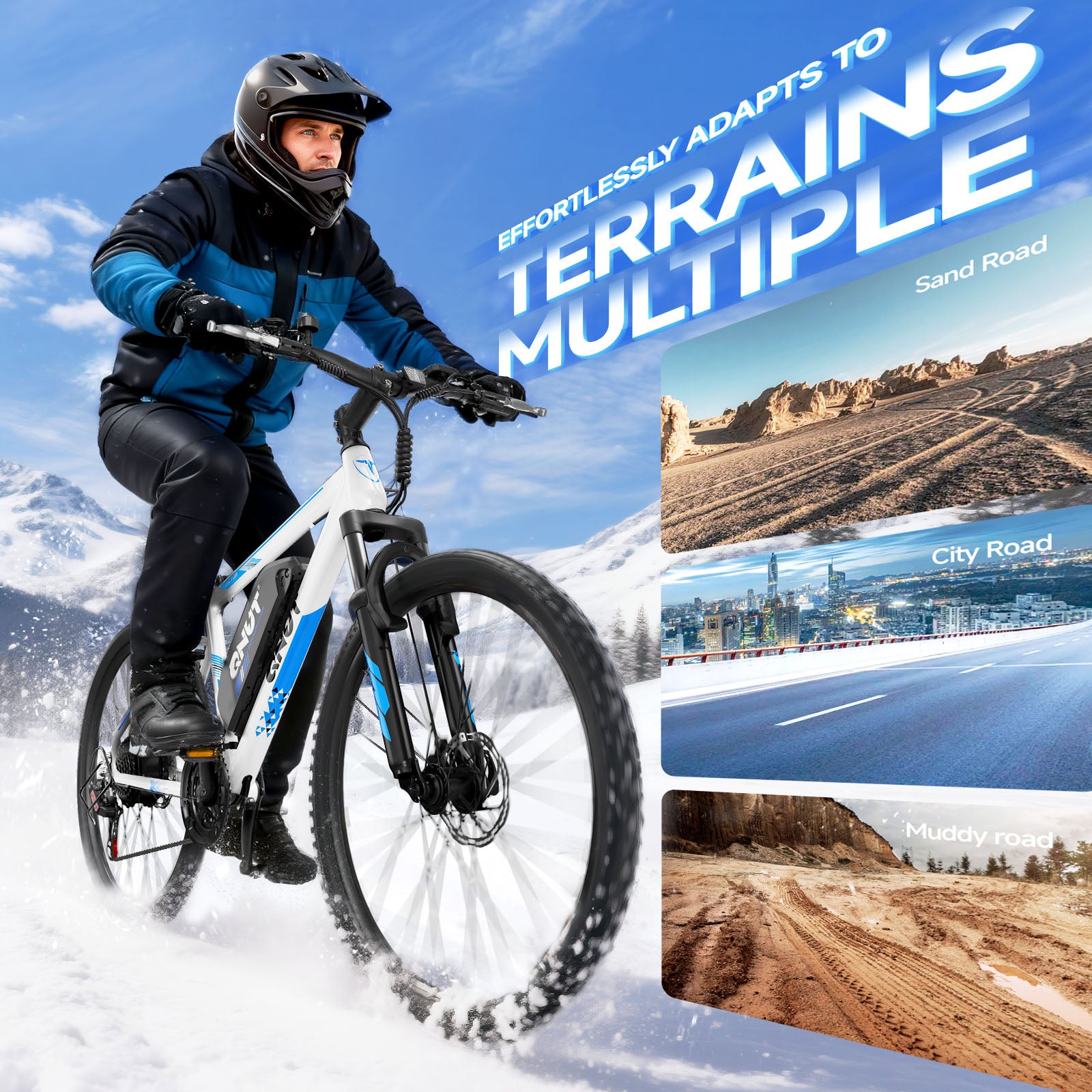
Excellent grip on sand, snow, gravel, and mud
Very stable and beginner-friendly
Comfortable ride due to natural shock absorption
Fat tire ebikes are popular for riders who want versatility across difficult terrain without worrying about losing traction.
Best Riding Scenarios
Fat tire ebikes perform best in:
Sand and beaches
Snowy trails
Gravel roads
Forest paths
Soft terrain
Because of the wide tires, these bikes provide maximum stability, making them ideal for beginners or casual riders.
What Is a Mountain Ebike?
A mountain electric bike (eMTB) is designed specifically for off-road trails, hills, and technical riding conditions. These bikes prioritize power, agility, and suspension performance.
Mountain ebikes typically feature:
Narrower tires (2.2–2.6 inches)
Advanced suspension systems
Lightweight yet strong frames
Powerful motors for climbing steep terrain
They are ideal for riders who want speed, control, and performance on rugged trails.
Key Differences Between Fat Tire Ebikes and Mountain Ebikes
Feature
Fat Tire Ebike
Mountain Ebike
Tire Width
4”+ wide tires
2.2”–2.6” tires
Terrain
Sand, snow, loose terrain
Trails, hills, technical riding
Speed
Moderate
Faster and more agile
Comfort
Very comfortable due to tire cushioning
Depends on suspension
Handling
Stable but less agile
Precise and responsive
Weight
Usually heavier
Typically lighter
In short:
Fat tire ebikes prioritize stability
Mountain ebikes prioritize performance and agility
Which One Is Better for Off-Road Riding?
If your goal is technical trail riding, a mountain ebike is usually the better choice.
Why?
Better suspension
Lighter frame
Faster acceleration
Easier maneuverability on tight trails
Fat tire bikes, while extremely stable, can feel slower and less responsive on steep or technical trails.
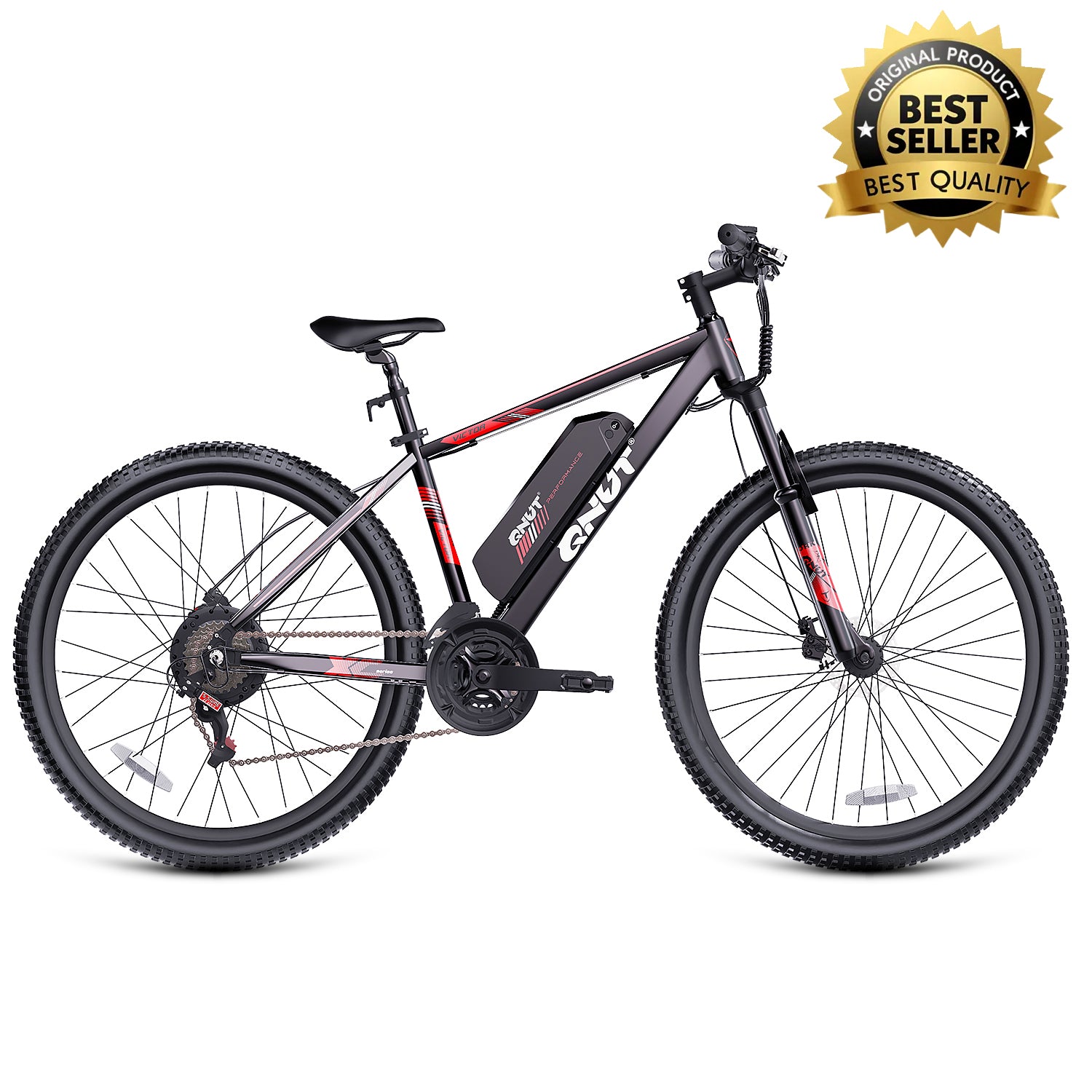
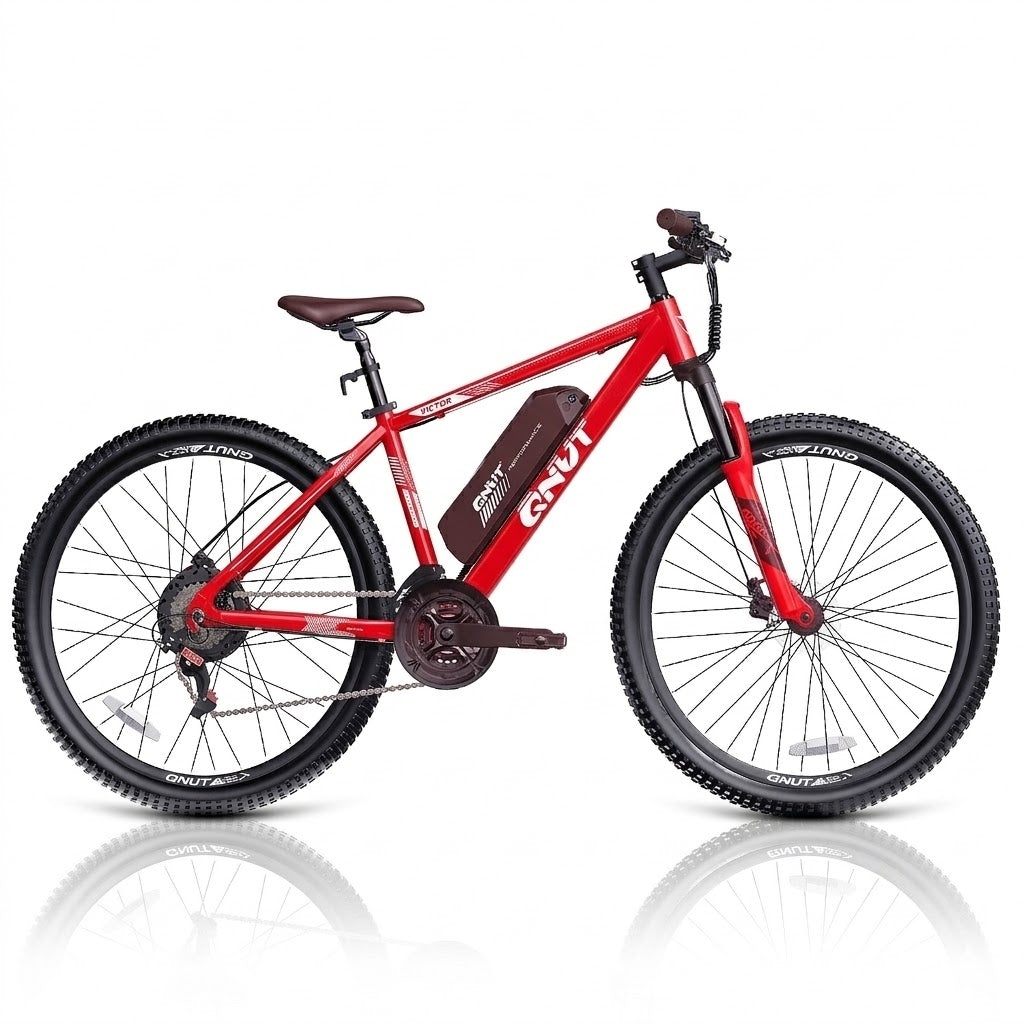
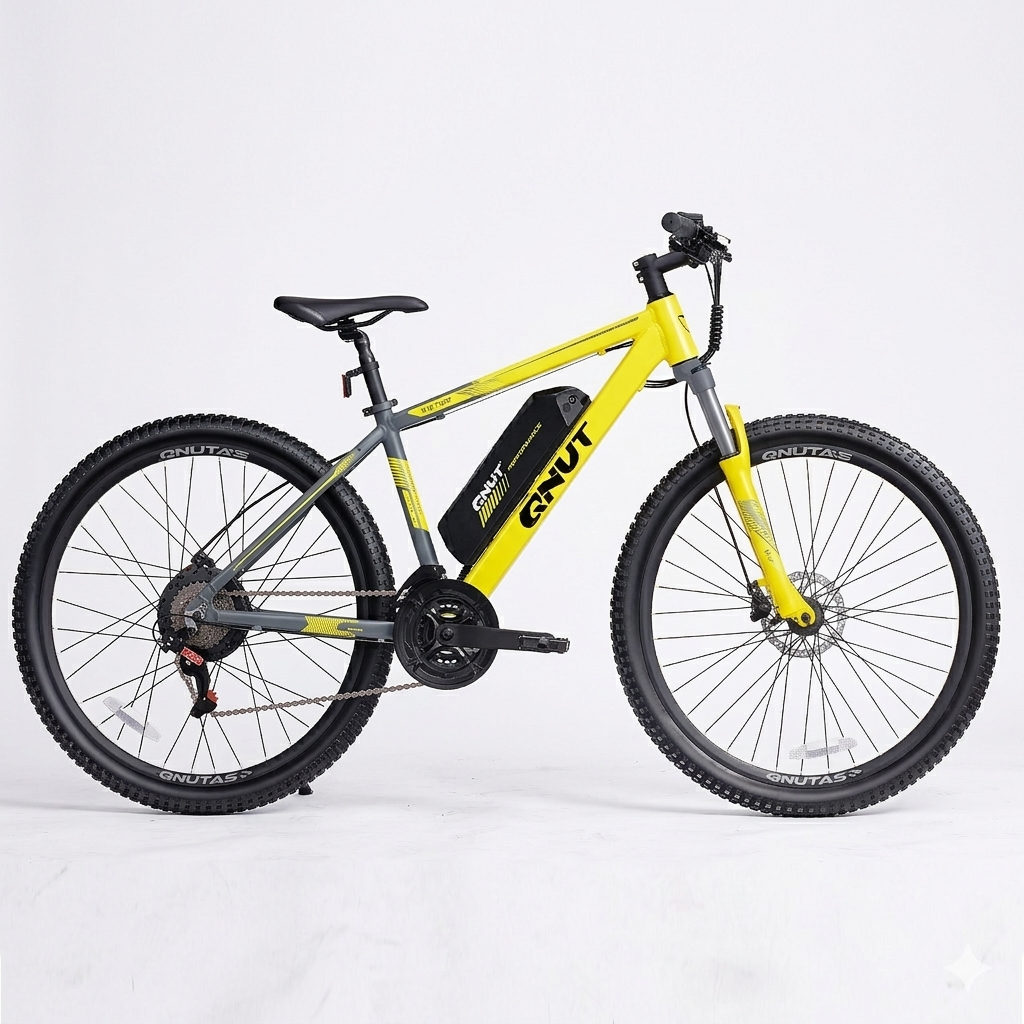
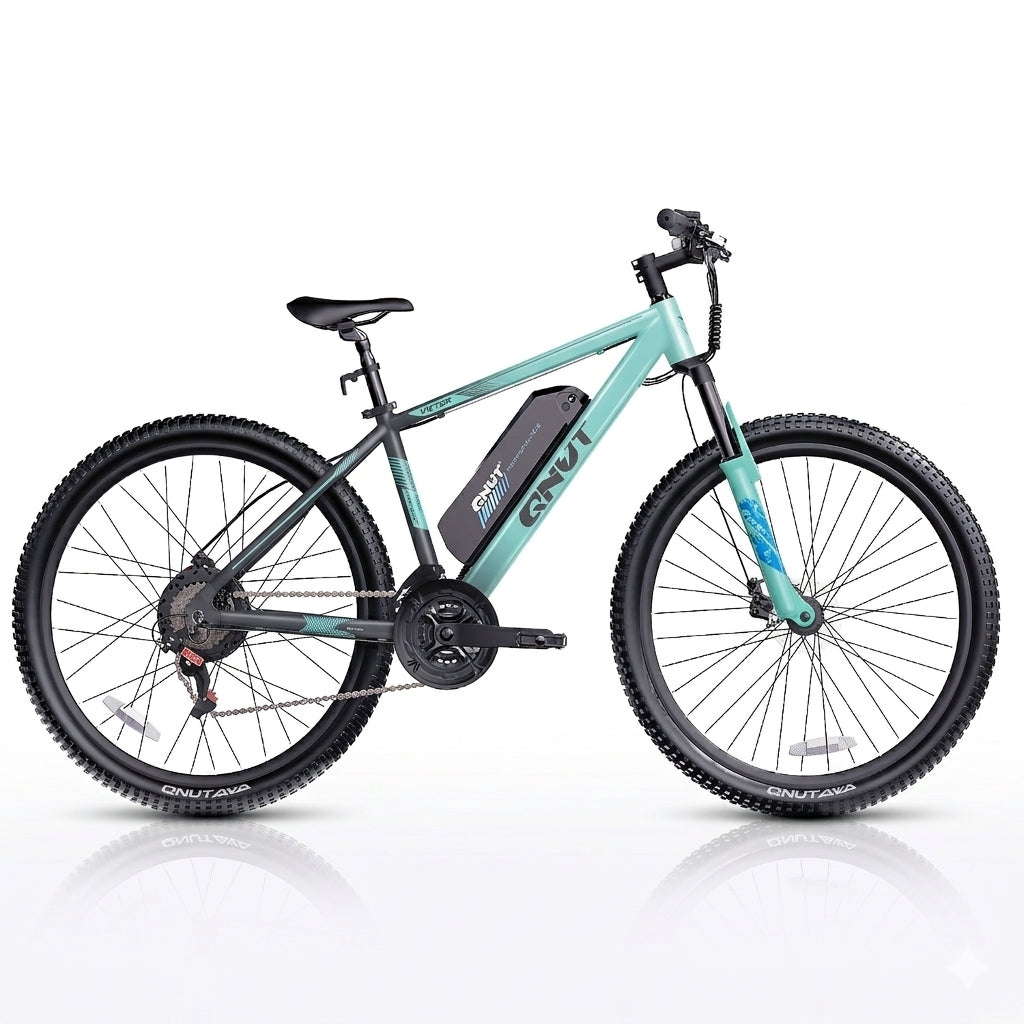
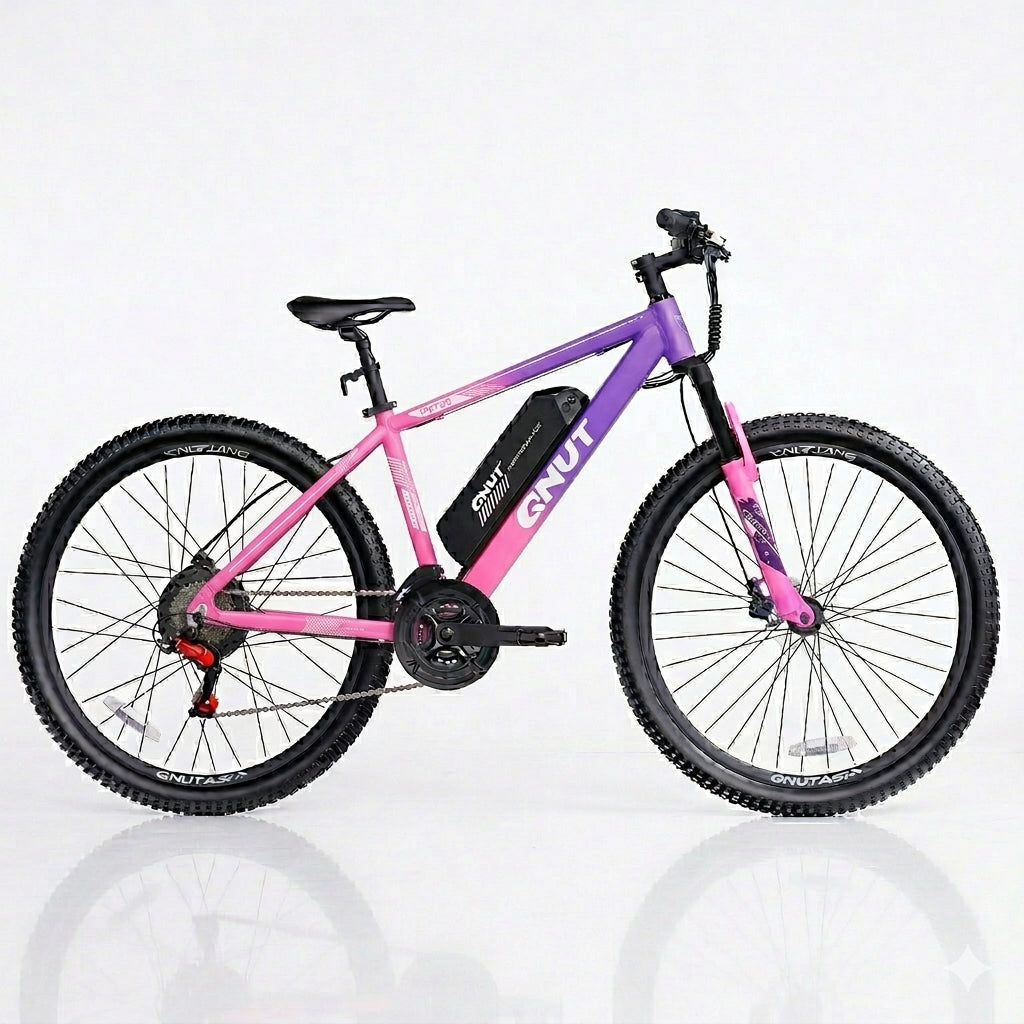
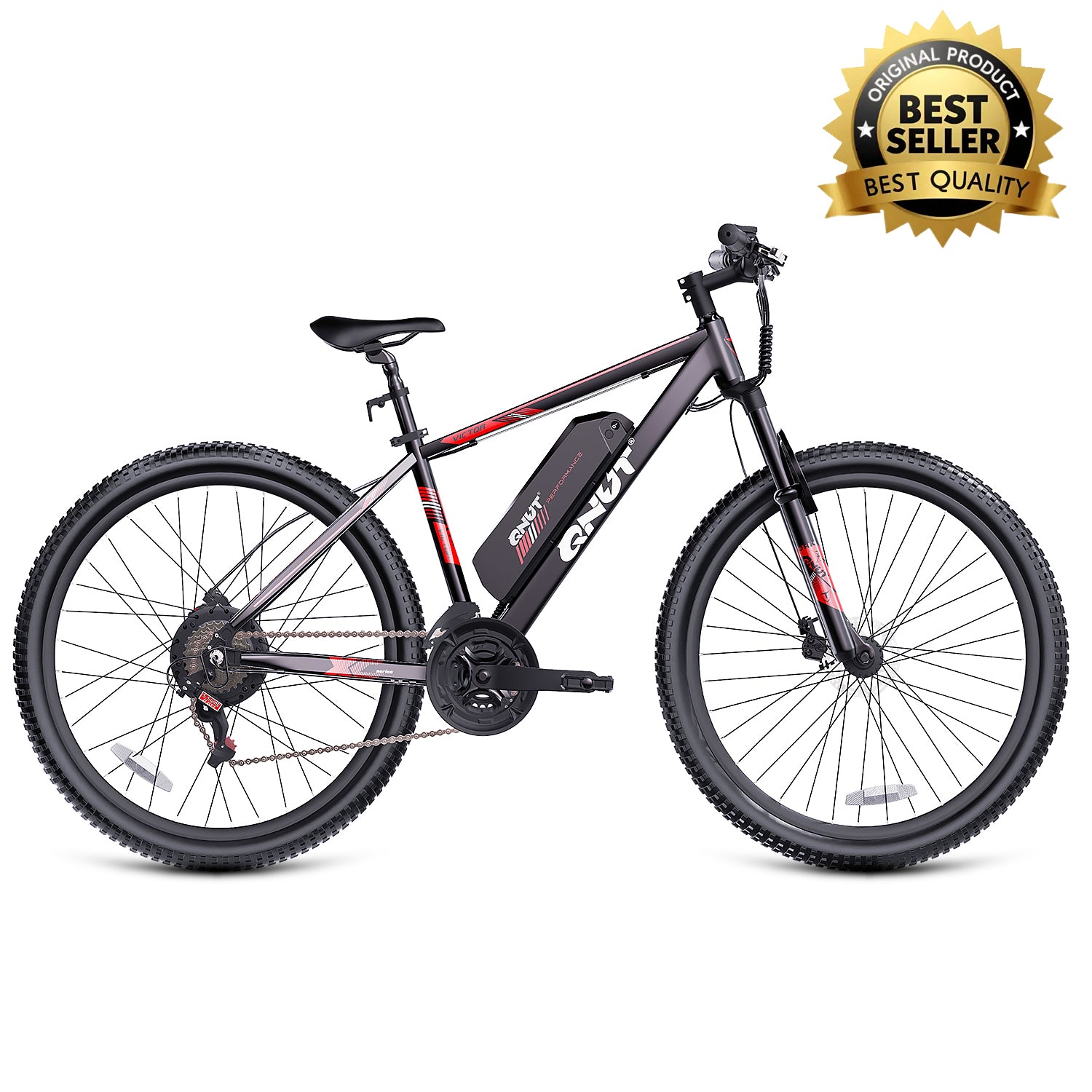
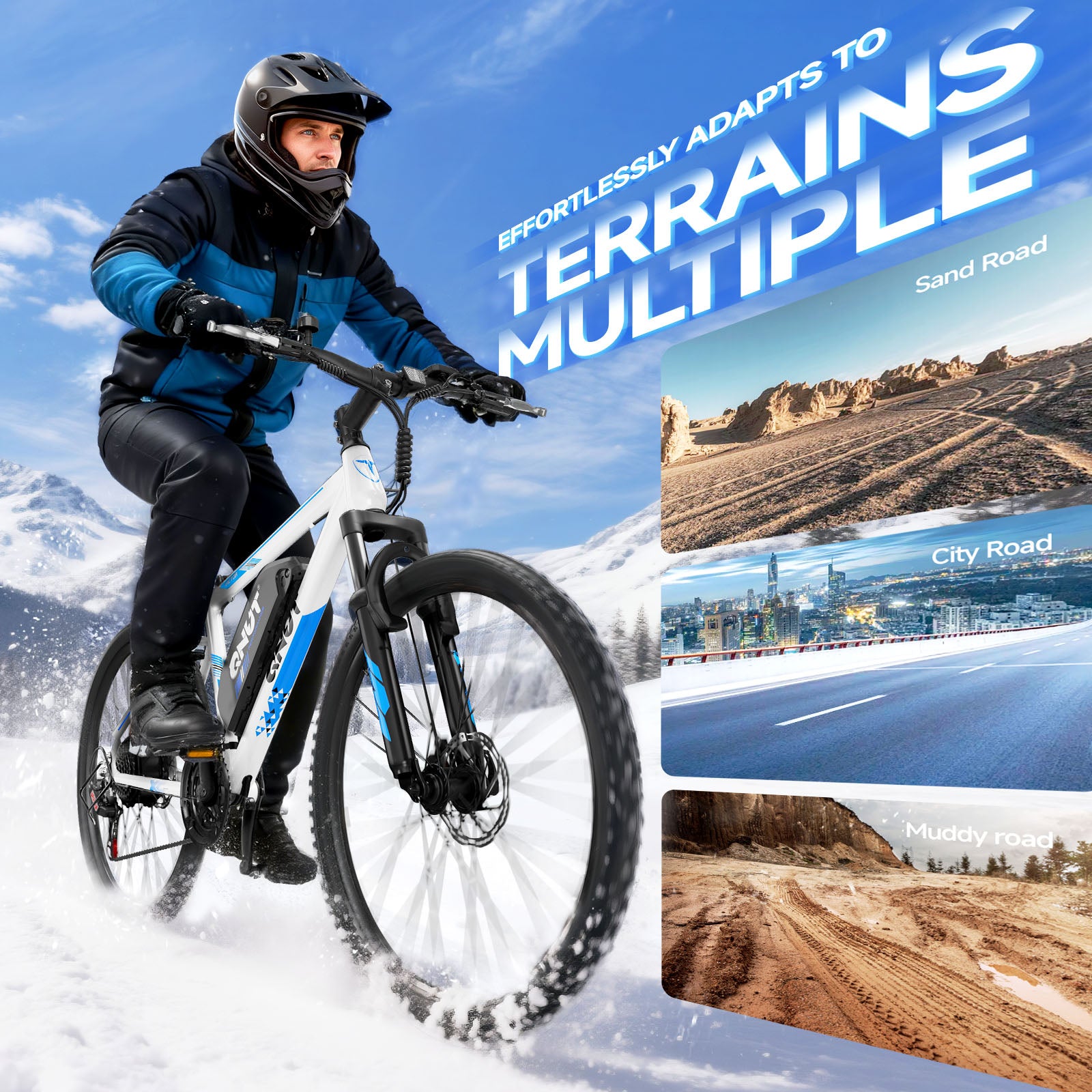
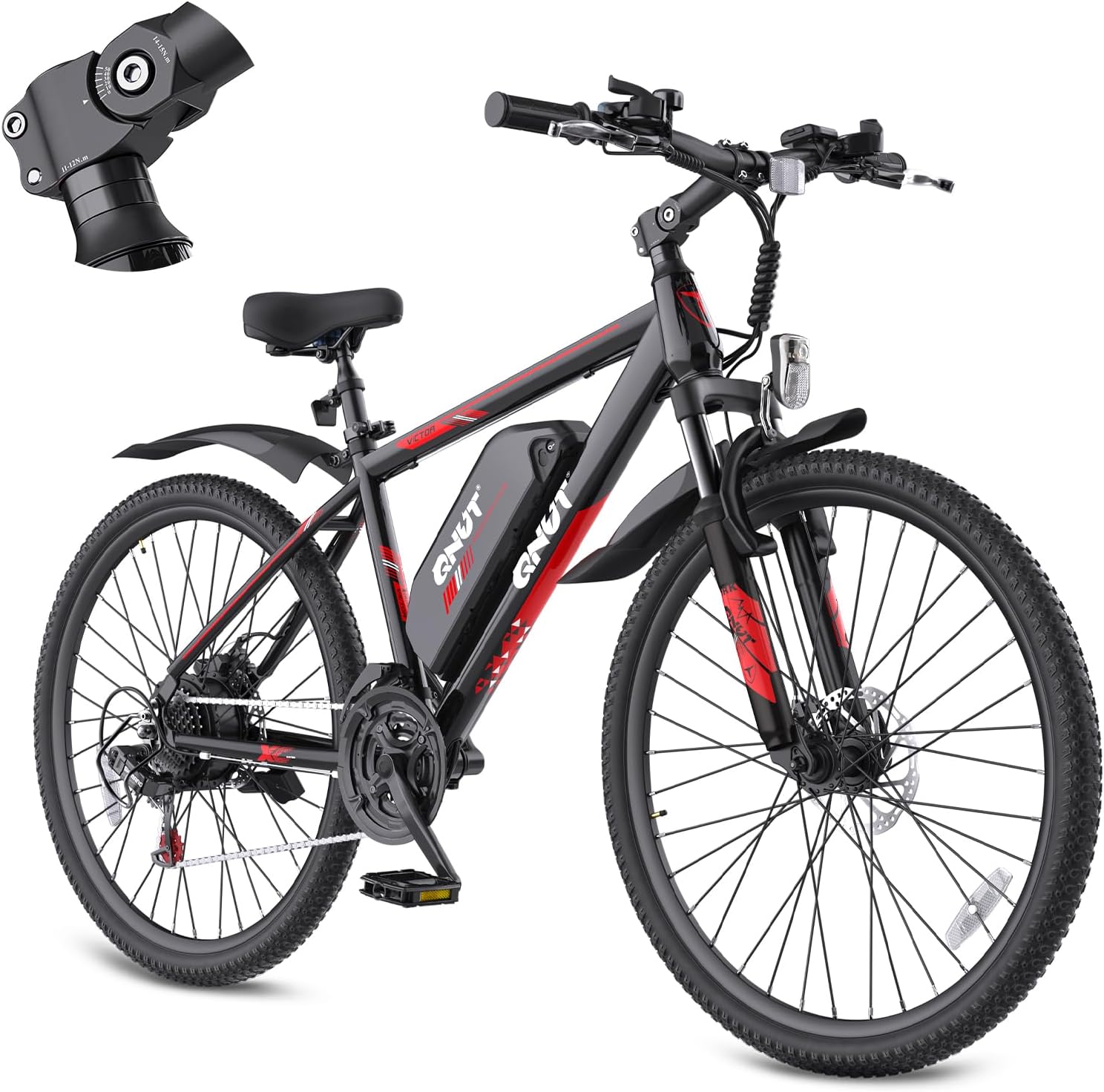
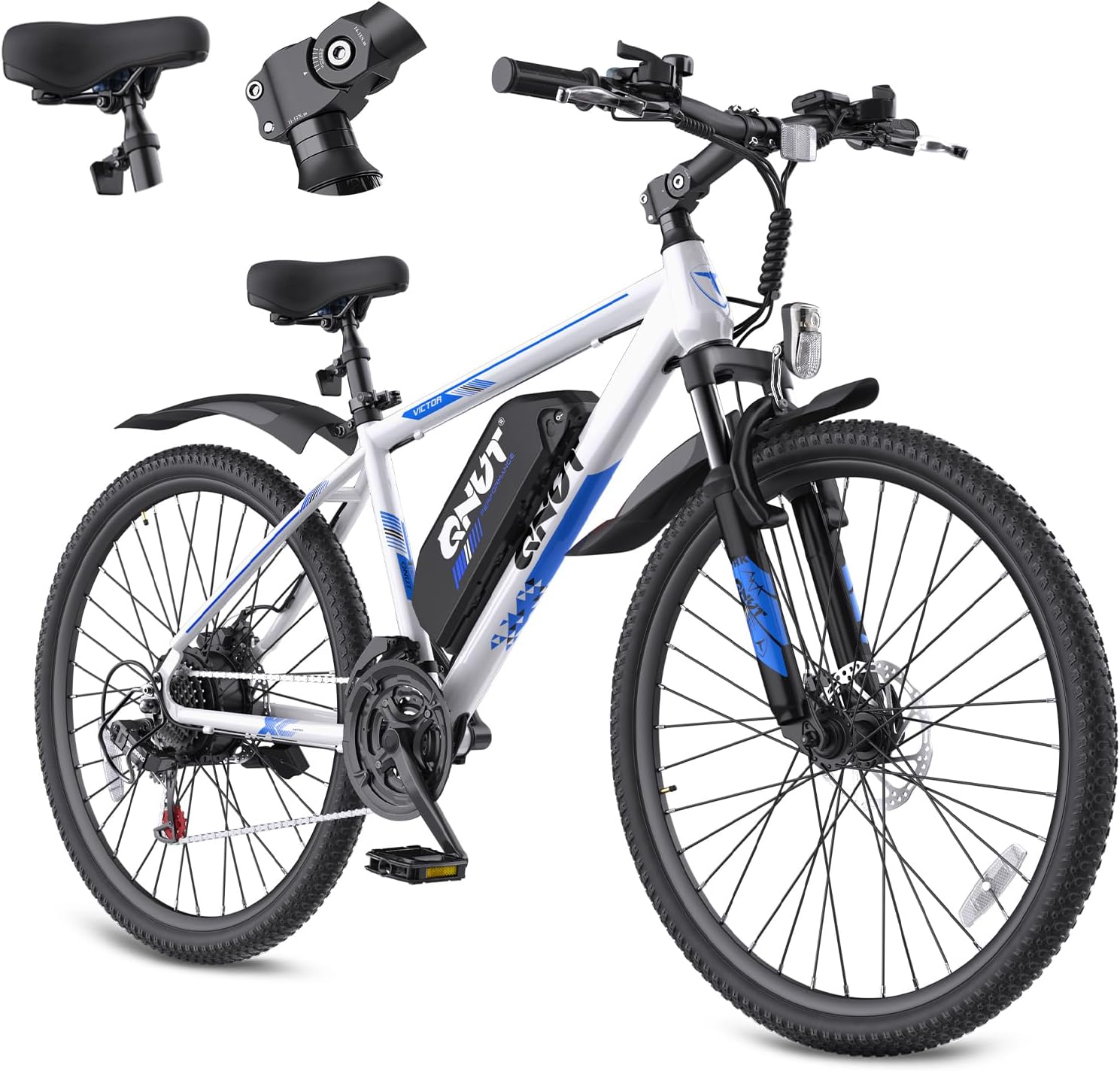
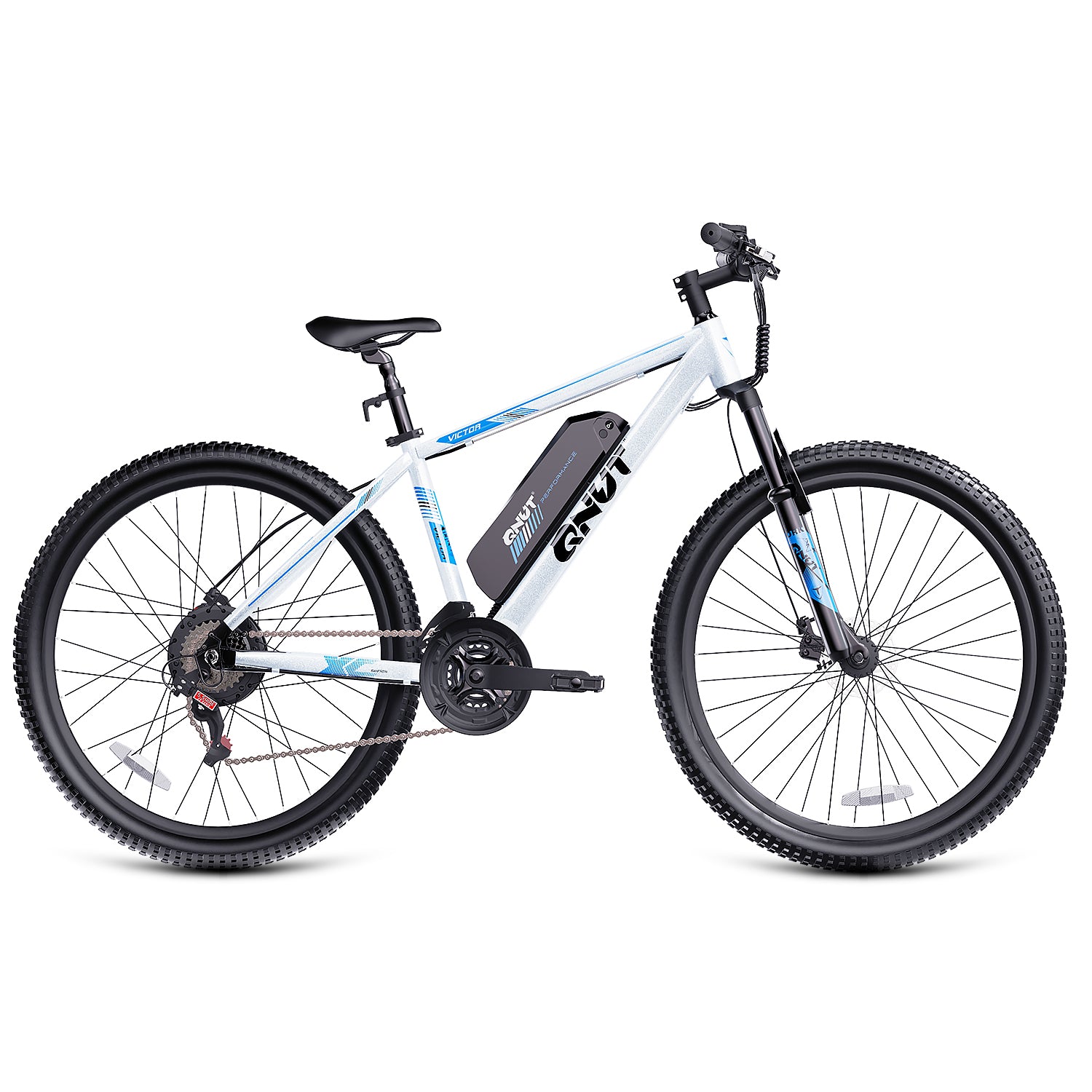
A Powerful Example: The QNUT Victor Electric Mountain Bike
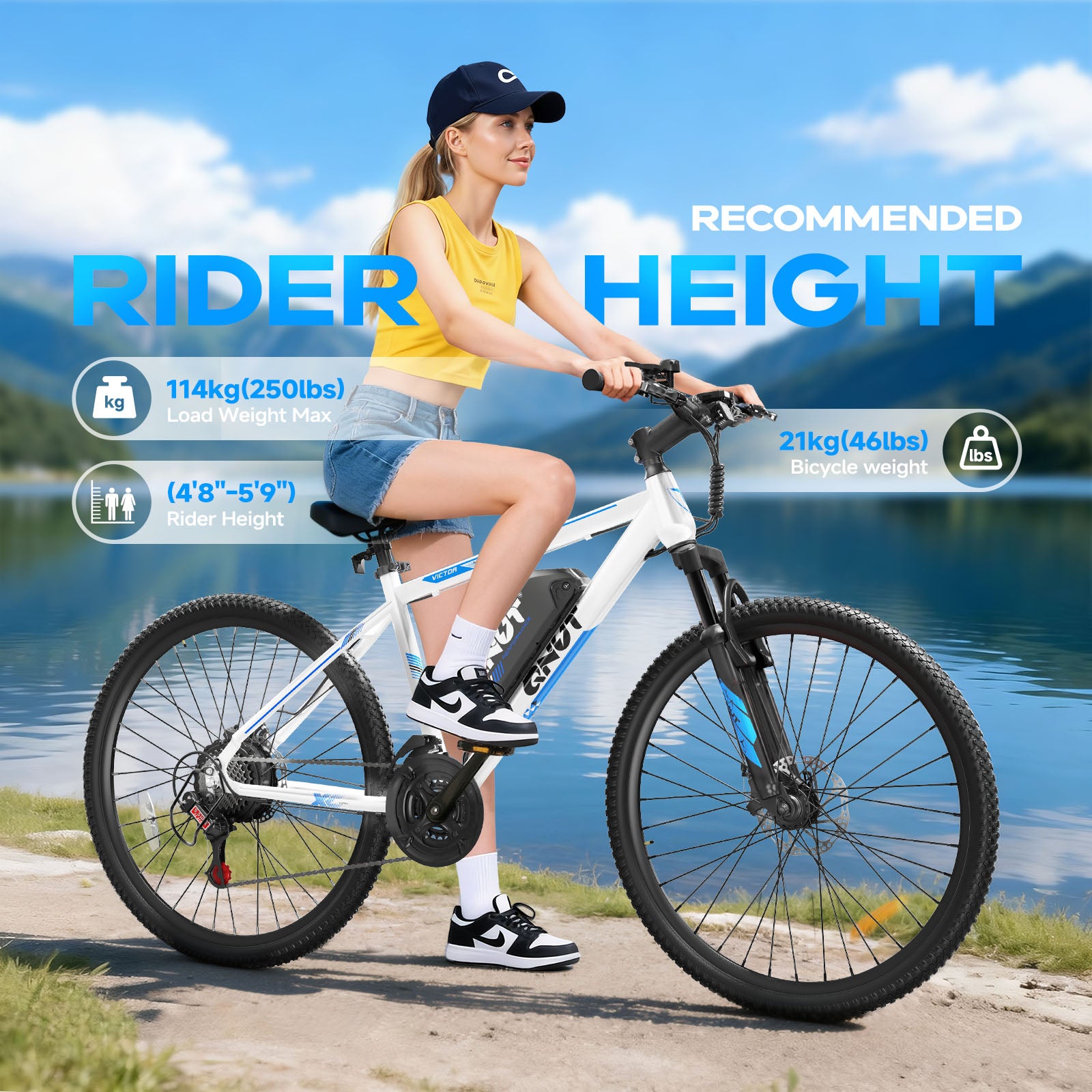
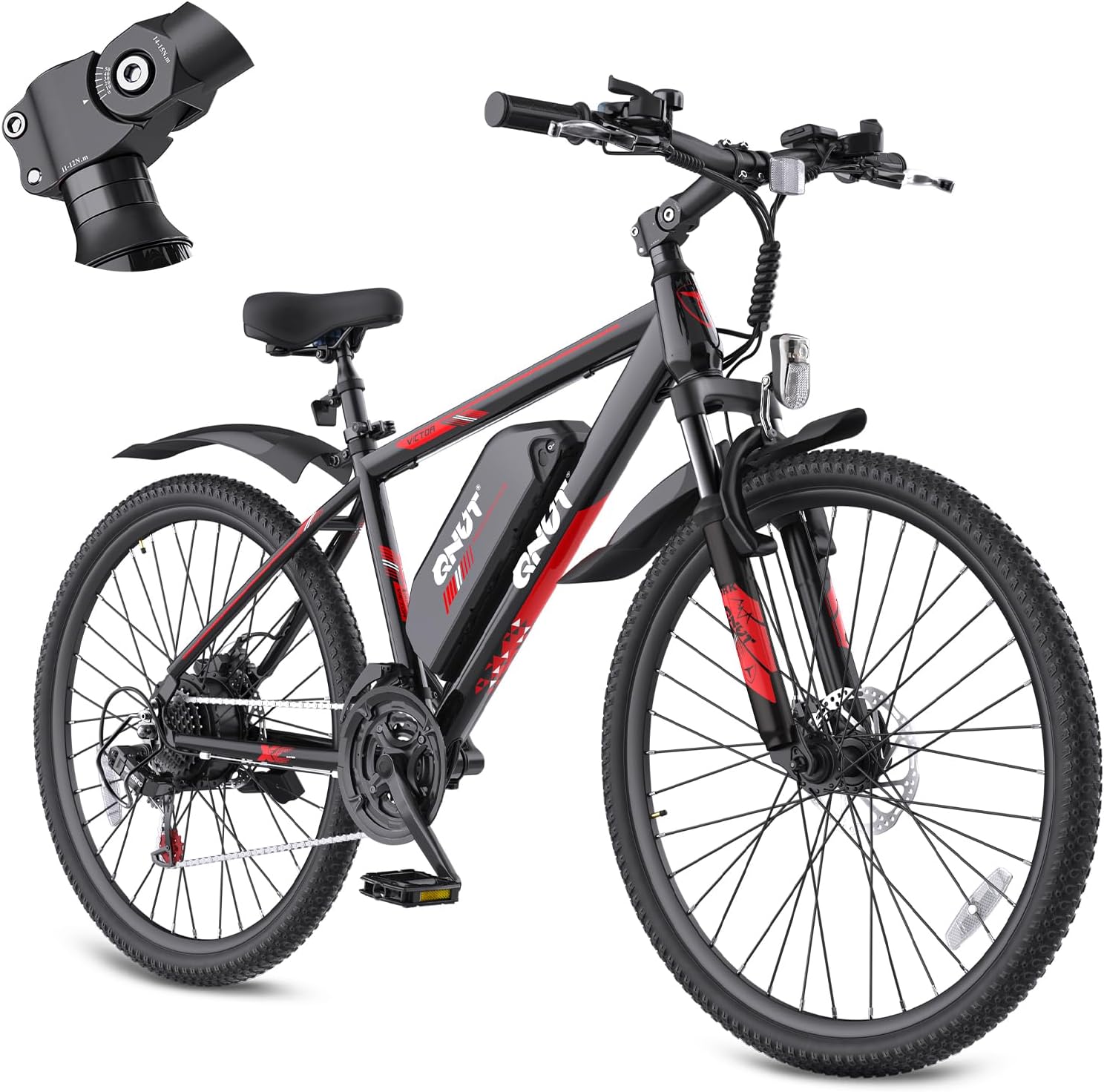
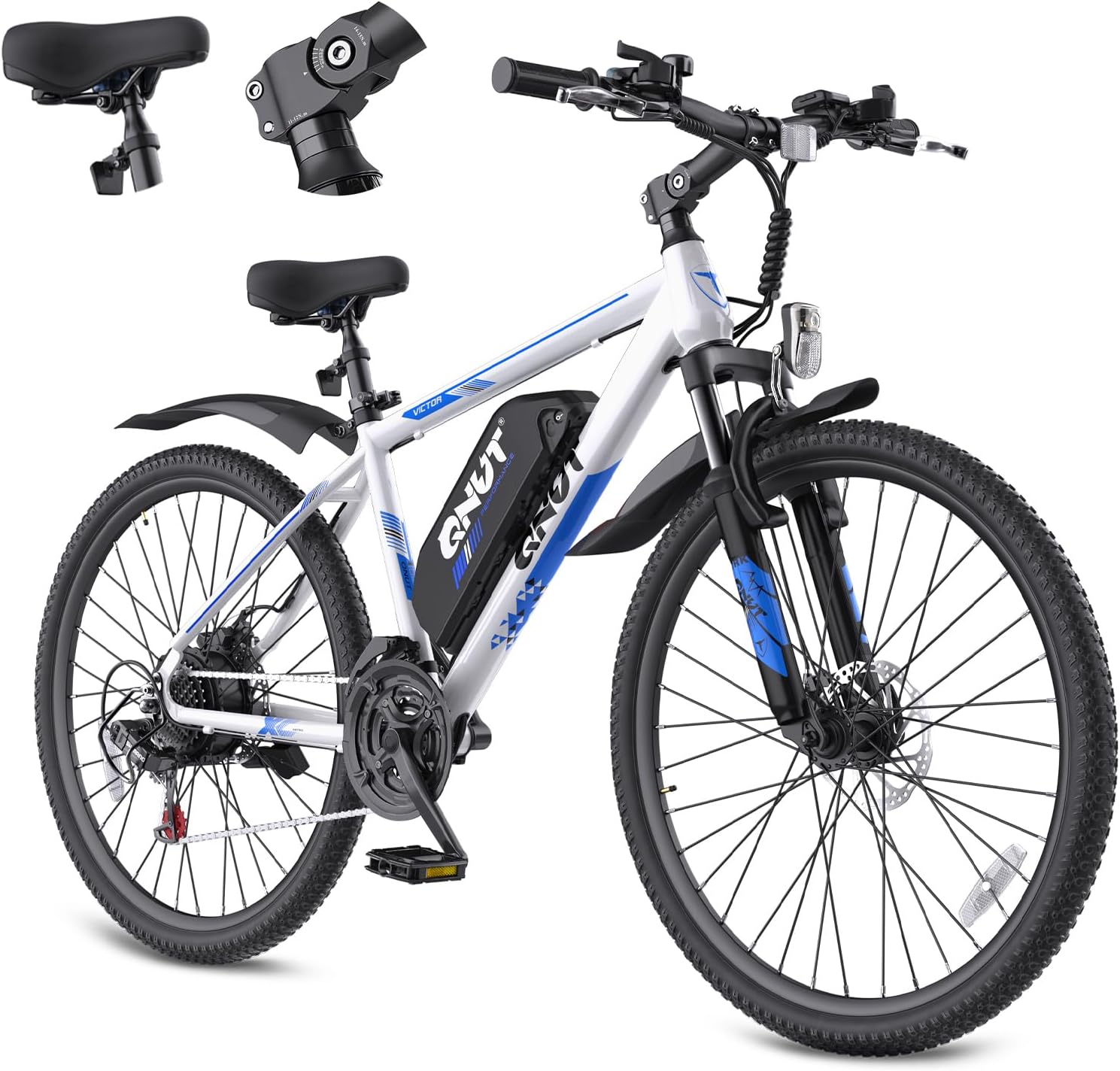
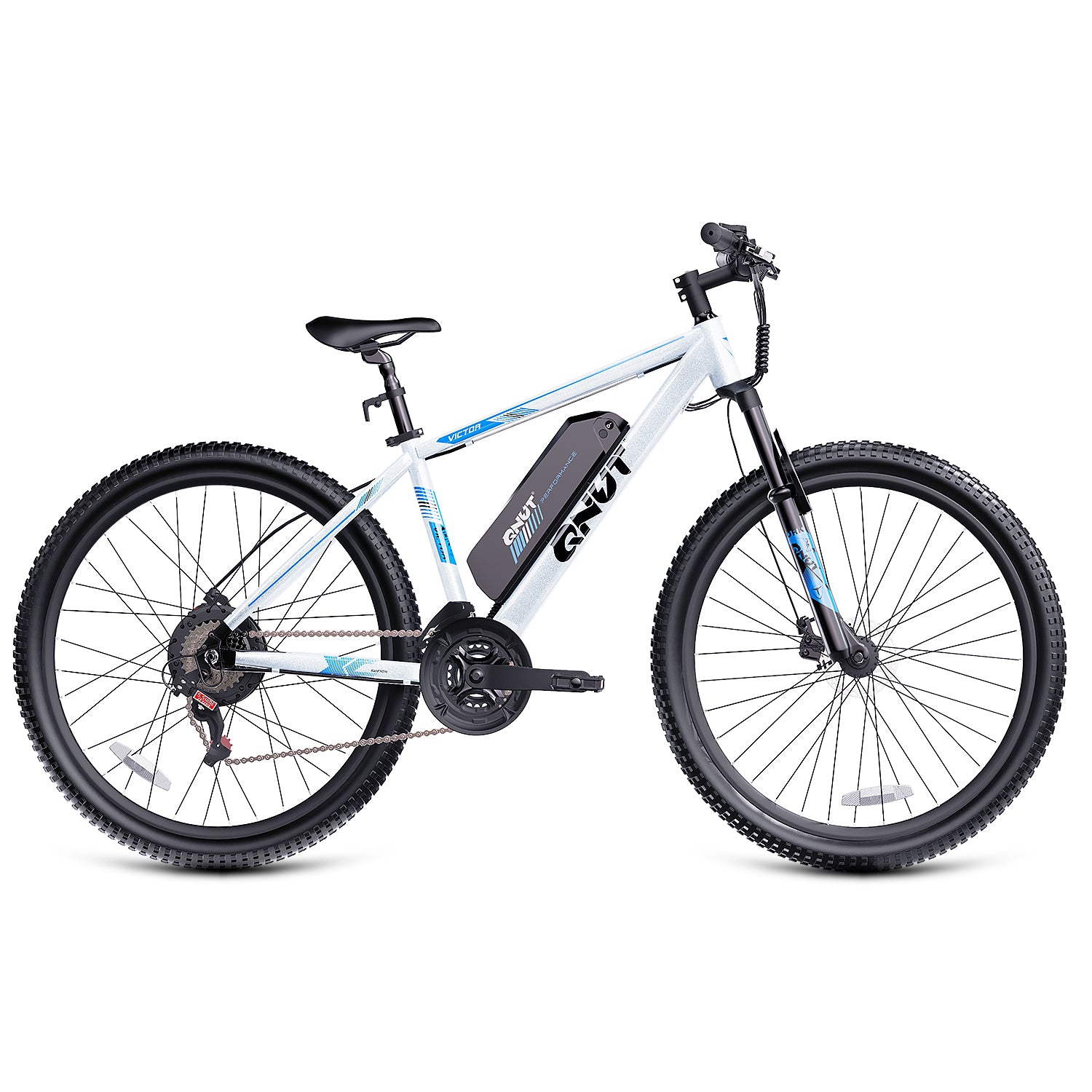
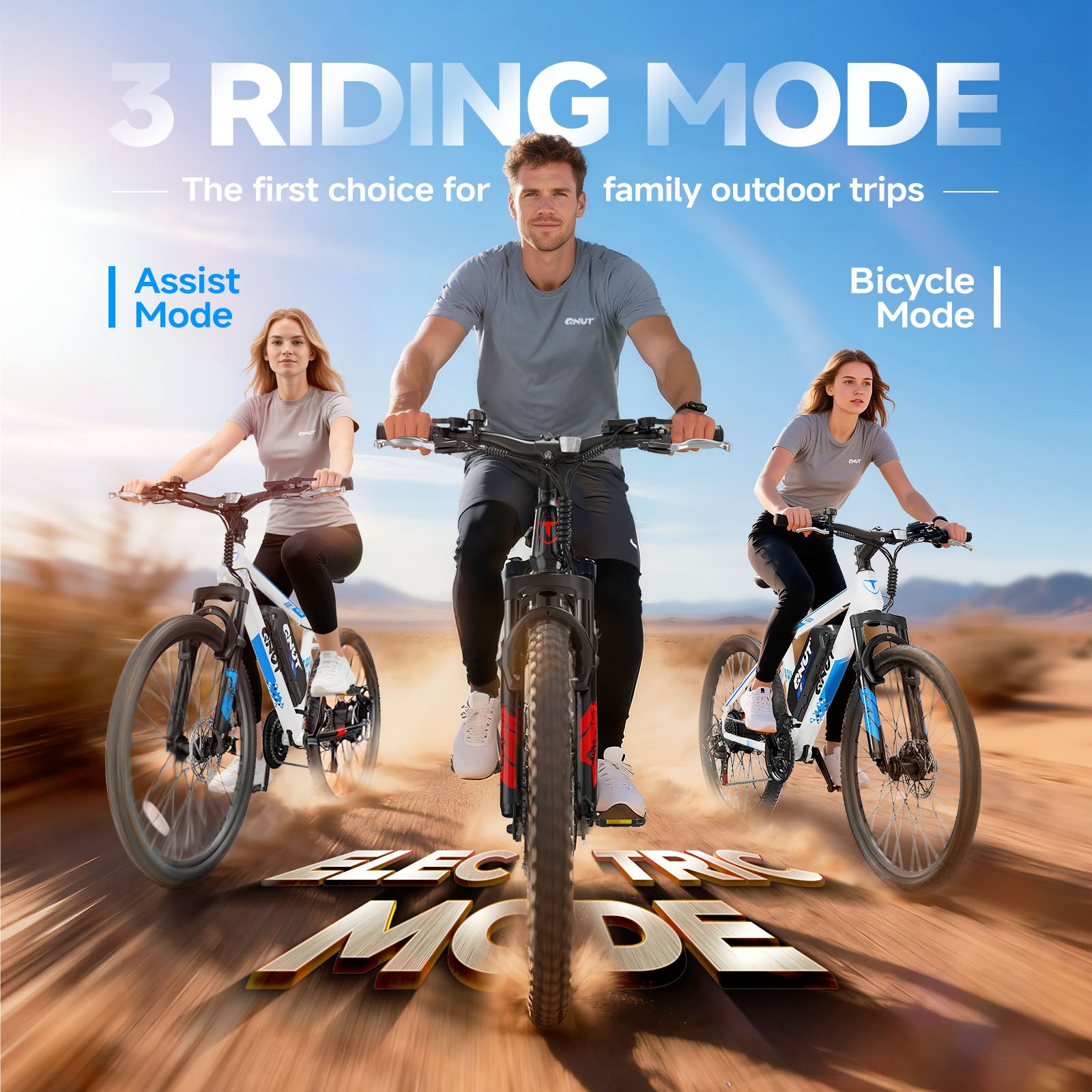
If you're looking for a powerful and capable electric mountain bike, the QNUT Victor is built specifically for riders who want both speed and off-road capability.
You can explore the full product here:https://qnutbike.com/collections/electric-bikes/products/qnut-victor-electric-mountain-bike
Key Specifications
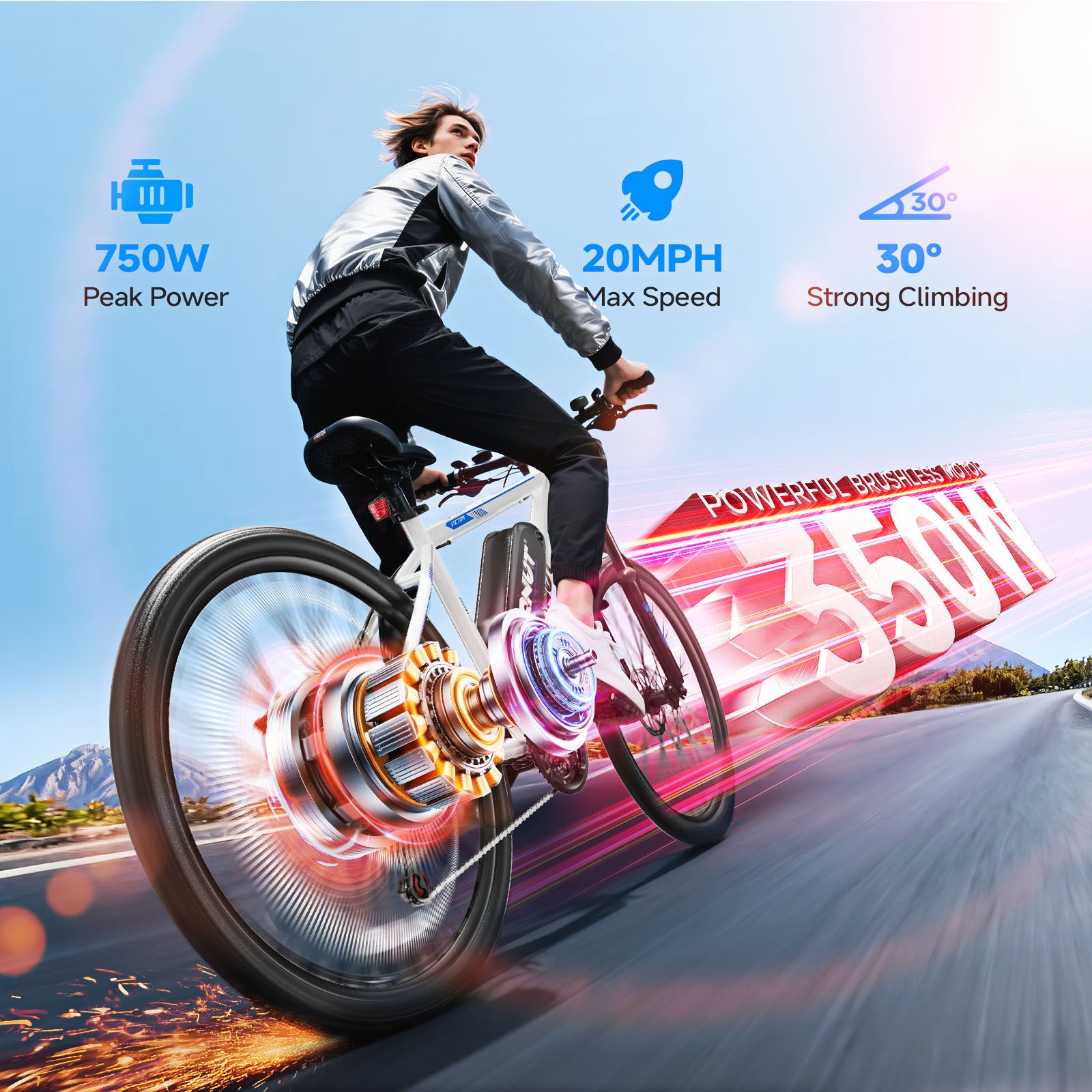
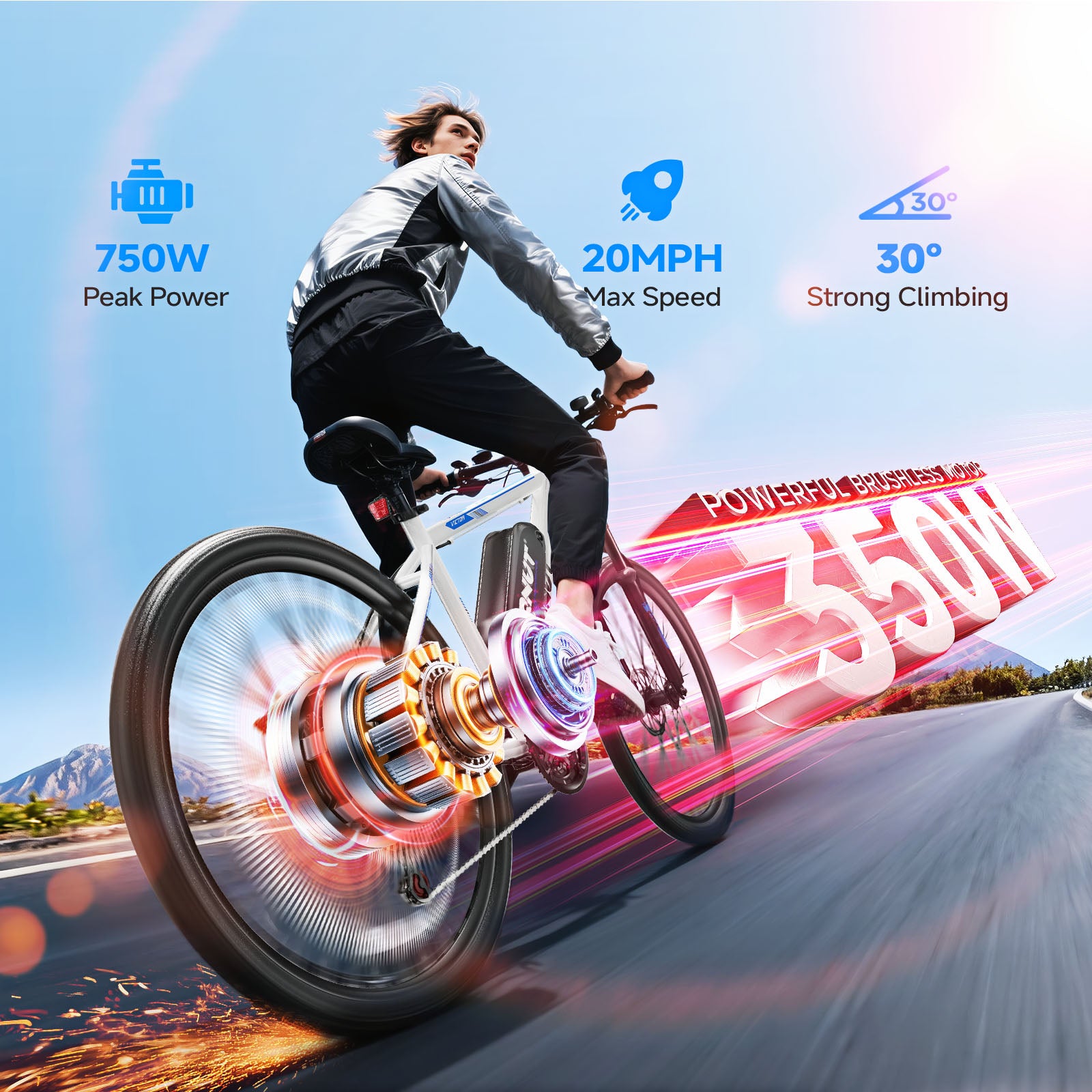
Peak Motor Power: 1500W
Top Speed: Up to 28 MPH
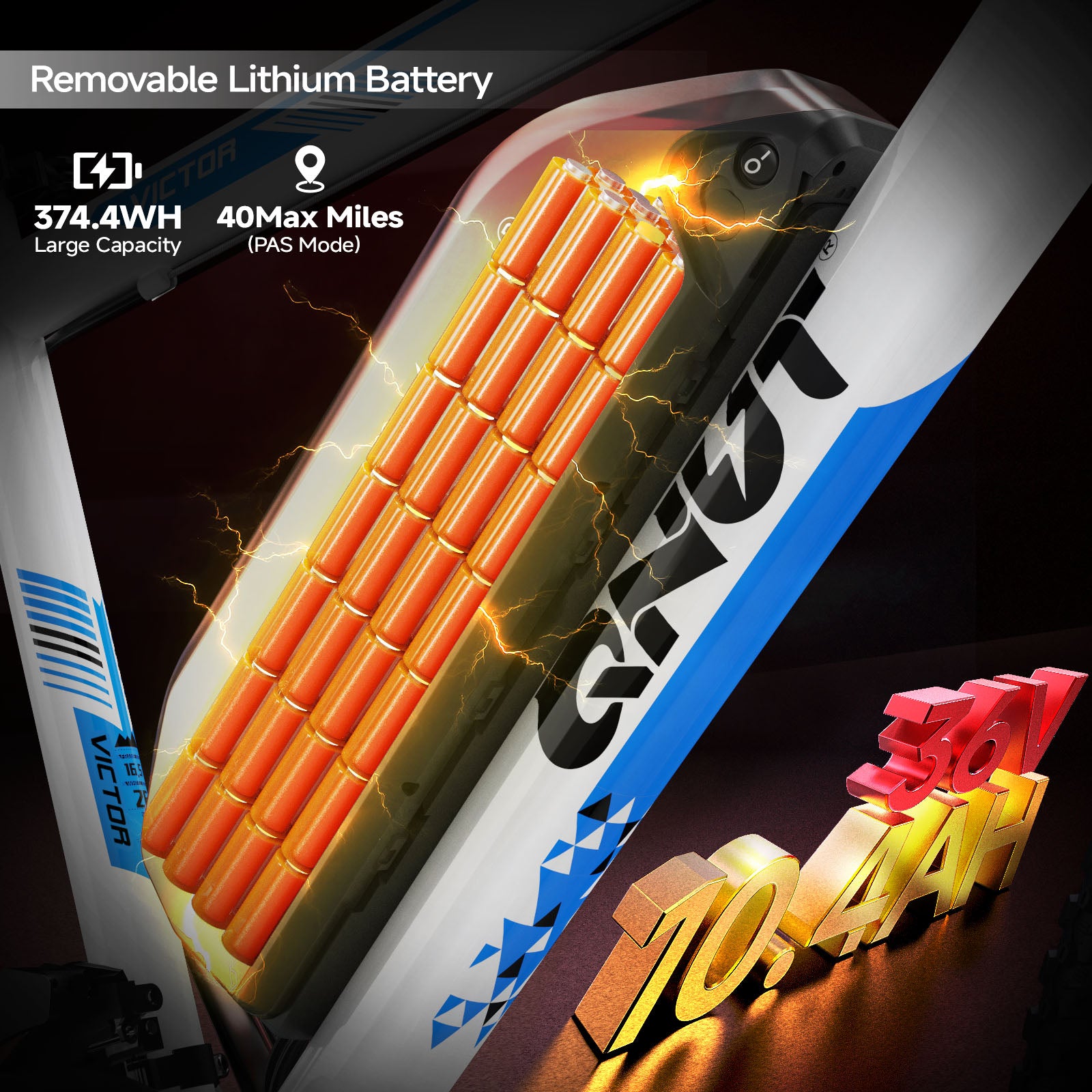
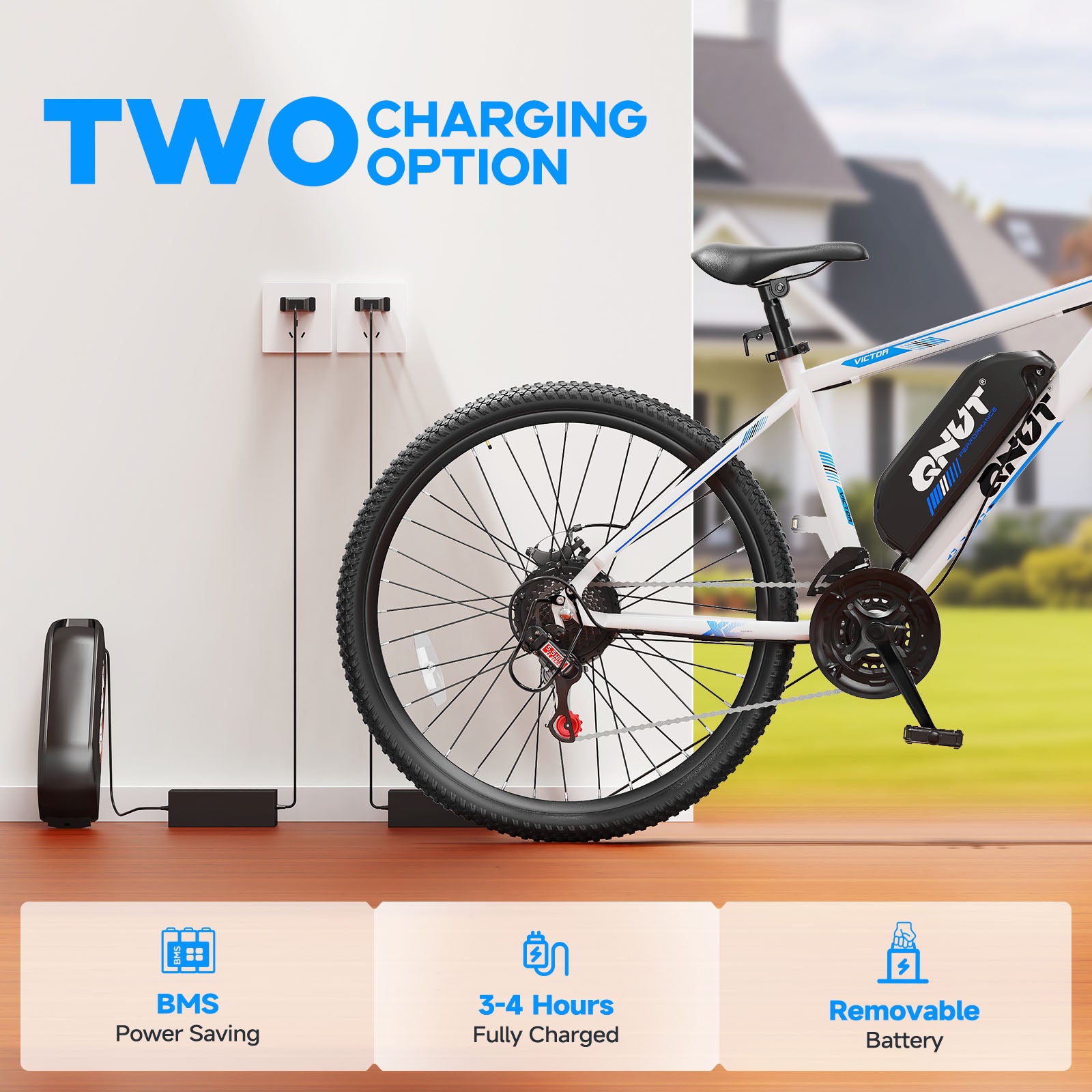
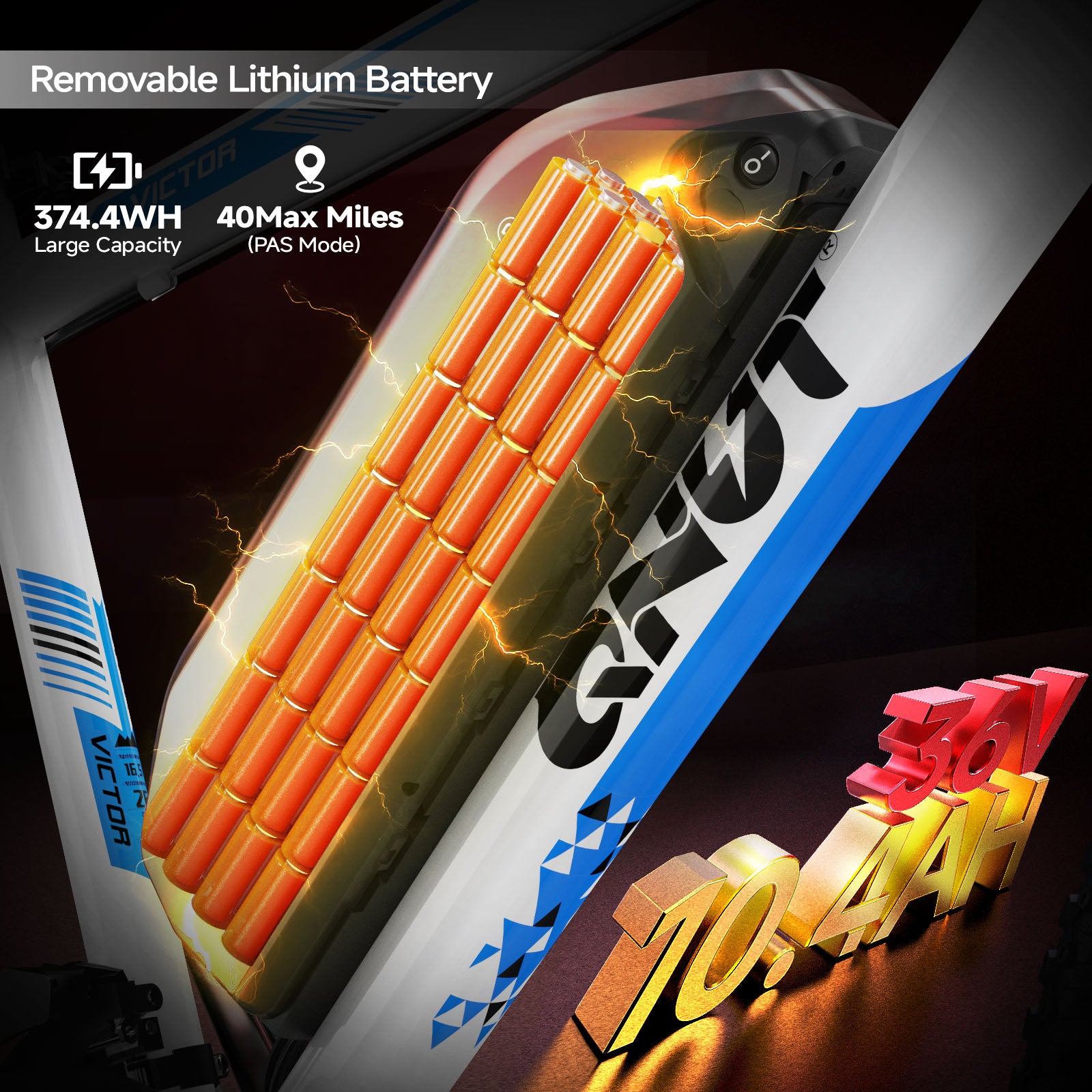
Battery: 48V removable lithium battery
Range: Up to 60 miles (pedal assist mode)
Gearing: 7-speed gear system
Frame: Durable off-road mountain bike frame
Brakes: High-performance braking system for trail safety
With a 1500W peak motor, the Victor delivers strong acceleration and climbing ability, making it ideal for riders who frequently tackle hills, dirt trails, or rugged terrain.
The 48V battery system provides long-distance capability, allowing riders to enjoy extended adventures without constantly worrying about range.
Because it combines high power, reliable braking, and trail-ready gearing, the Victor is a solid option for riders who want a mountain ebike that can handle both commuting and weekend trail riding.
Who Should Choose a Fat Tire Ebike?
A fat tire ebike is the better option if:
You ride on sand or snow
You want maximum stability
You prefer a comfortable, relaxed ride
You’re a beginner rider
Fat tire bikes are extremely forgiving and easy to control.
Who Should Choose a Mountain Ebike?
A mountain ebike is ideal if you:
Ride off-road trails
Want better speed and agility
Need strong climbing power
Prefer a sporty riding experience
Riders who enjoy adventure and trail riding usually prefer electric mountain bikes.
Final Verdict
Both fat tire ebikes and mountain ebikes have their advantages.
Choose a fat tire ebike if your priority is stability and riding on loose terrain like sand or snow.
Choose a mountain ebike if you want a lighter, faster bike built for trails and off-road performance.
For riders looking for a powerful and versatile electric mountain bike, the QNUT Victor offers an excellent balance of speed, range, and trail capability—making it a strong option for both commuting and adventure riding.
FAQ
Are fat tire ebikes slower?
Generally yes. The wider tires create more rolling resistance, which can reduce top speed compared to mountain ebikes.
Are mountain ebikes harder to ride?
Not necessarily. They require slightly more balance than fat tire bikes but offer better handling and control on trails.
Can mountain ebikes ride on sand?
They can, but fat tire ebikes perform much better on soft terrain like sand or snow.